Lithuanian leaders back removing constitutional ban on nuclear weapons, president says
Lithuanian President Gitanas Nausėda announced broad political consensus to remove the constitutional ban on weapons of mass destruction, arguing the restriction is outdated and makes Lithuania a weak link in NATO.
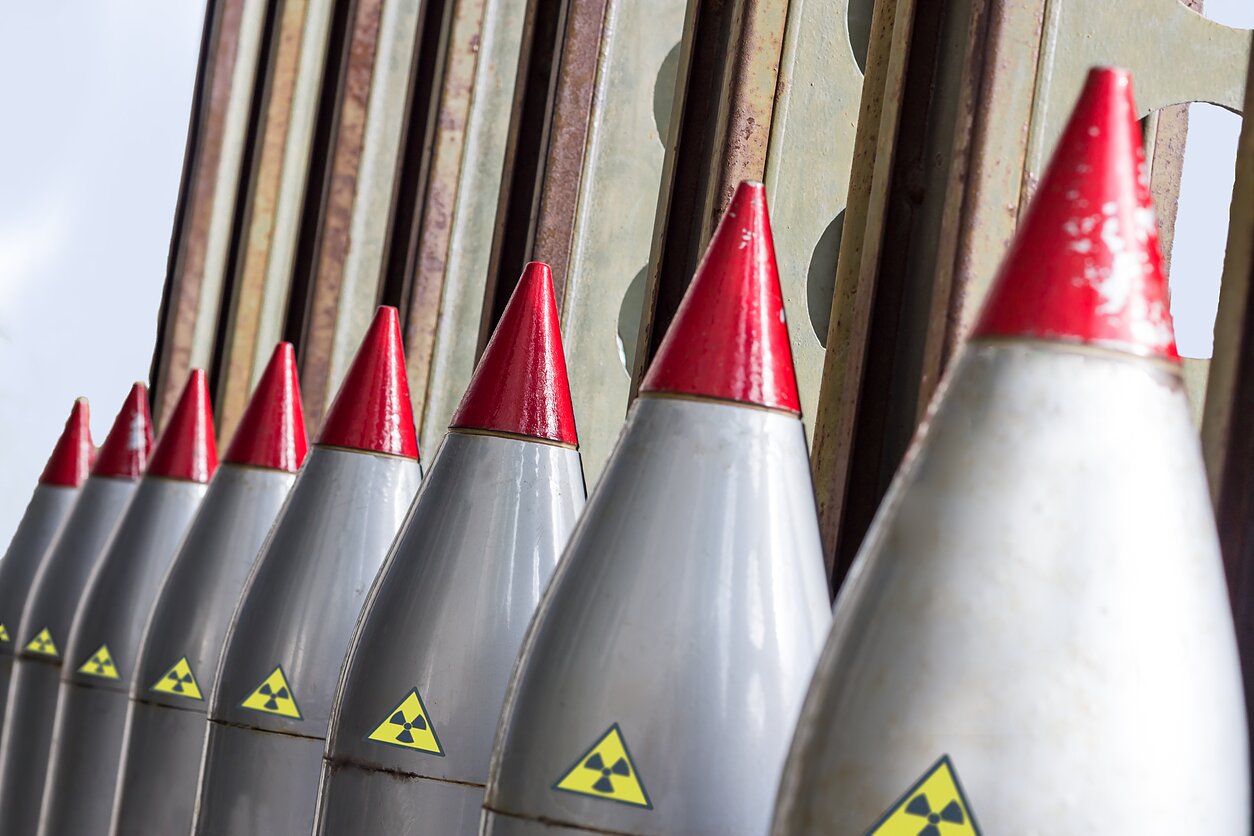
Lithuania's top political leaders have agreed that the country's constitutional ban on the deployment of nuclear weapons should be removed, President Gitanas Nausėda said on Thursday. Speaking after a meeting with parliamentary and government leaders and the heads of parliamentary factions, Nausėda said there was broad political consensus that Article 137 of the Constitution is “outdated”.
Article 137 of Lithuania’s Constitution currently states that weapons of mass destruction and foreign military bases may not be located on Lithuanian territory. “Opinions were practically unanimous. Almost all parliamentary faction leaders expressed the view that Article 137 has become obsolete and should not merely be amended but removed,” Nausėda told reporters.
He said views differed only on the procedure for changing the Constitution. According to Nausėda, representatives of the opposition Nemunas Dawn party argued that the issue should be decided through a referendum, while he himself believes the current parliament should do it. “In our view, members of parliament have received a mandate of trust from voters and can make this decision,” he said.
From a purely legal point of view, changing Article 137 of the constitution can be done by a two-thirds majority of the parliament voting twice at least three months apart. Nausėda argued that Lithuania has become virtually the only NATO member to maintain a self-imposed prohibition on deploying nuclear weapons. He pointed to neighbouring Finland, which recently repealed a similar restriction that had been established by law rather than in its constitution.
“It would be truly unfortunate if we became the weak link or a grey zone within NATO,” the president said. Discussion of the constitutional provision has gained momentum amid broader debates over European nuclear deterrence. Former Defence Minister Dovilė Šakalienė said last year that Lithuania should consider amending the constitution if allies presented concrete proposals to station nuclear weapons or related components in the country.
The issue also gained attention after French President Emmanuel Macron proposed in March creating a new European nuclear deterrence framework under which partner countries could temporarily host France’s nuclear-capable strategic air forces. In early June, the Financial Times reported that the United States was considering deploying nuclear weapons to additional NATO countries in Europe. Following that report, Lithuanian Defence Minister Robertas Kaunas said Lithuania was participating in the ongoing discussions and noted that any deployment of US nuclear weapons in the country would be considered only during a crisis or wartime.