Lithuania's fiercest storms: A history of extreme weather and growing risks
The storm that hit Lithuania last month is expected to be recorded among the country's worst, joining a series of destructive storms over past decades. Climate experts warn that global warming could make such events more frequent and intense.
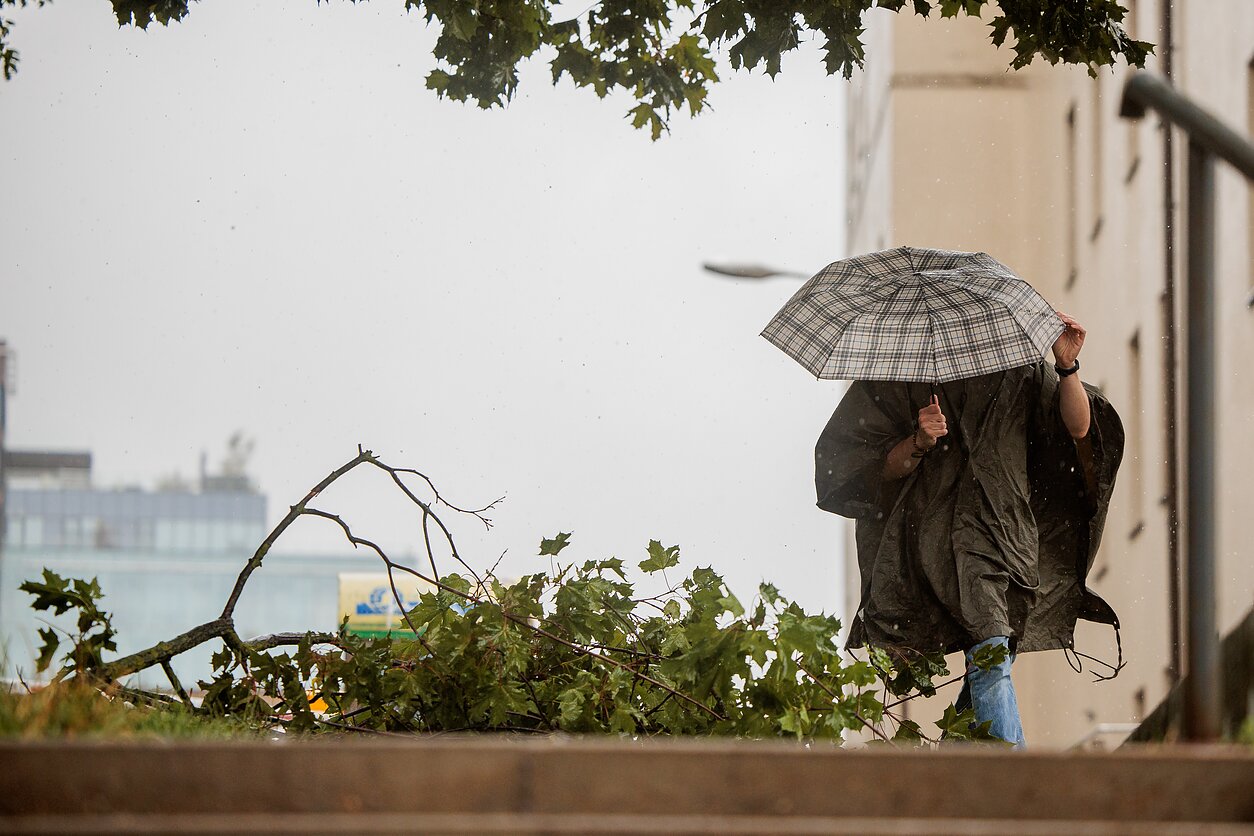
Donatas Valiukas, head of the Climate and Research Division at Lithuania's Hydrometeorological Service, says the storm that swept the country last month is likely to be remembered as one of the most severe in its weather history. Although powerful storms are relatively rare in Lithuania, the nation has faced several destructive events in recent decades, some of which caused fatalities, mass power outages and serious infrastructure damage.
Decades of destructive storms
One of the worst hit western Lithuania on October 17-18, 1967, when hurricane-force winds reached 40 metres per second in Klaipėda, with gusts possibly touching 55 metres per second. Known as storm Lena in Sweden, it destroyed the Palanga pier, damaged coastal dunes and flooded parts of Klaipėda, while an estimated 3-4 million cubic metres of timber were felled across the Samogitia region.
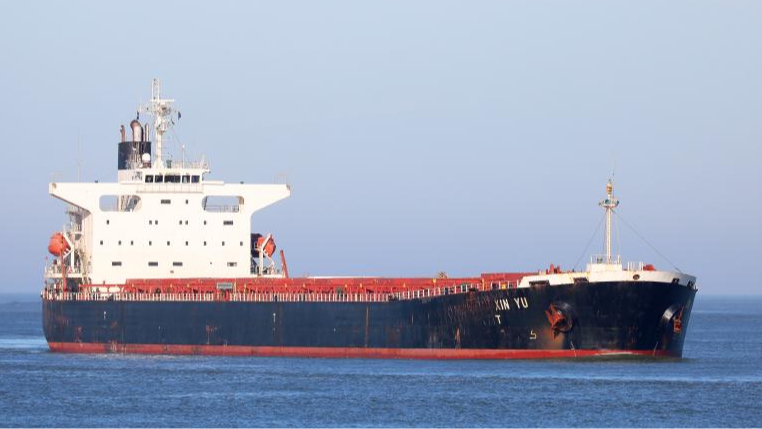
In December 1999, storm Anatol brought gusts of up to 40 metres per second and waves as high as six metres. A Norwegian ship, the Seines, was driven ashore near Palanga and remained stranded until it was returned to sea in April 2000.
Storm Erwin struck the coast in January 2005 with winds up to 35 metres per second, damaging dunes and forests and causing the Danė River to flood parts of Klaipėda. Between 150,000 and 180,000 people lost power, with repairs taking six days to complete.
Deadly summer squalls and rising concerns
Summer storms have also proven fatal: a violent squall in August 2010 killed four people across several municipalities, while another significant squall hit central and eastern Lithuania in June 2016.
More recently, storms tied to cyclones tracking north from southern Europe have grown more common. One such storm in July 2024 cut power to roughly 160,000 people, and last month's storm affected about 268,000 customers at its peak while also causing deaths.
Valiukas said climate change may raise both the likelihood and intensity of such storms, since warmer air holds more moisture and carries greater destructive potential. He added that because severe storms occur less frequently in Lithuania than in hurricane-prone regions, residents may be less prepared to cope with them, underscoring the need for greater readiness.