Lithuania not considering ICC withdrawal, president confirms
Lithuanian President Gitanas Nausėda has dismissed the idea of Lithuania leaving the International Criminal Court, despite reports of US pressure on allied nations. He said the topic is not even being discussed domestically.
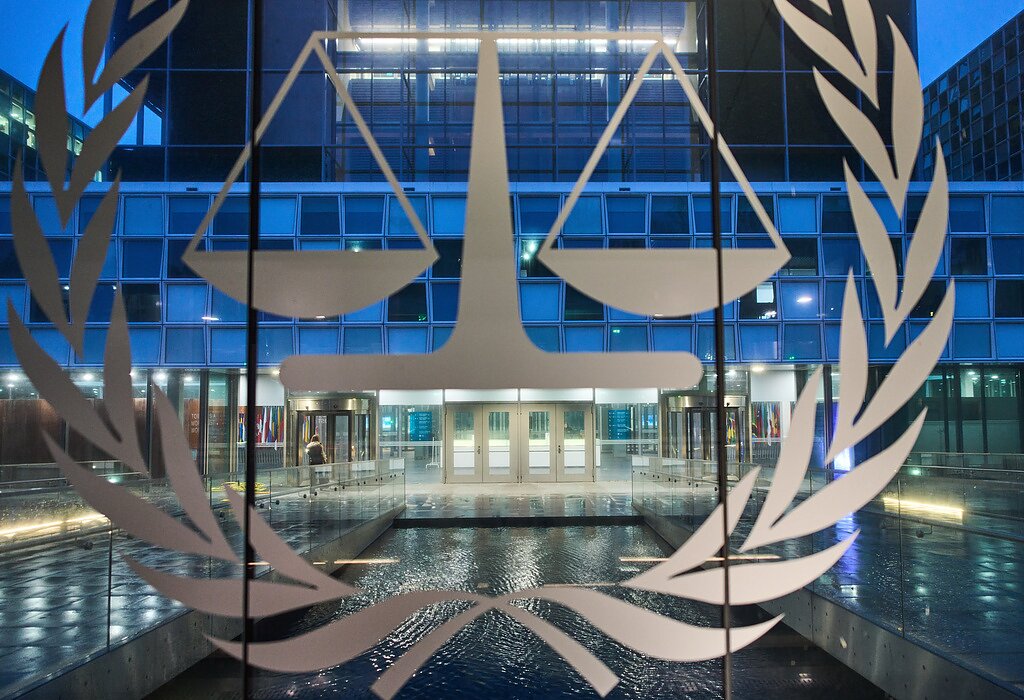
Lithuanian President Gitanas Nausėda said on Monday that there is currently no discussion within Lithuania about withdrawing from the International Criminal Court (ICC), even as reports have emerged of US pressure on allied countries to distance themselves from the tribunal.
Speaking in an interview with LRT TV, Nausėda said the question of leaving the court simply is not being raised. He pointed out that Lithuania had welcomed the ICC's decision to issue an arrest warrant for Russian President Vladimir Putin, making it difficult to justify a withdrawal to the public. He also noted that abandoning the court would be hard to reconcile with the fact that 27 European Union member states remain part of it. Nausėda added that even if the ICC's future were to become a genuine point of debate, countries would still need to agree on alternative ways to handle matters currently falling under the court's jurisdiction.
US pressure reported
The president's remarks follow an LRT report from the previous week, which cited sources in Washington saying US officials had signaled to Lithuania that the ICC issue carries particular weight for nations hosting American troops. According to that report, however, US officials stopped short of directly threatening to withdraw troops should Lithuania remain a court member.
Washington has voiced concern over the ICC's arrest warrant for Israeli Prime Minister Benjamin Netanyahu, issued over suspicions his government is conducting genocide in Gaza. US officials have also pushed to keep American troops stationed abroad outside the court's jurisdiction.
Relations between the United States and the Hague-based tribunal have been tense since President Donald Trump's first term, with Washington imposing sanctions on some ICC judges. The US has additionally objected to the court's inquiries into alleged torture and war crimes by American military personnel and CIA officers in Afghanistan and at secret European detention sites.
The ICC, established in 2002, prosecutes individuals for the world's most serious crimes when national authorities cannot or will not act. Lithuania ratified the court's founding Rome Statute in 2003; 125 countries in total have done so.
/nginx/o/2026/10/03/17954423t1hc498.jpg)