LMT Chief Technical Officer: Satellites Will Complement, Not Replace, Mobile Networks
Aigars Benders, chief technical officer of the LMT group, argues that integrating satellite and terrestrial mobile networks can strengthen communications resilience in remote areas and crises. He stresses that satellites will not replace conventional mobile networks.
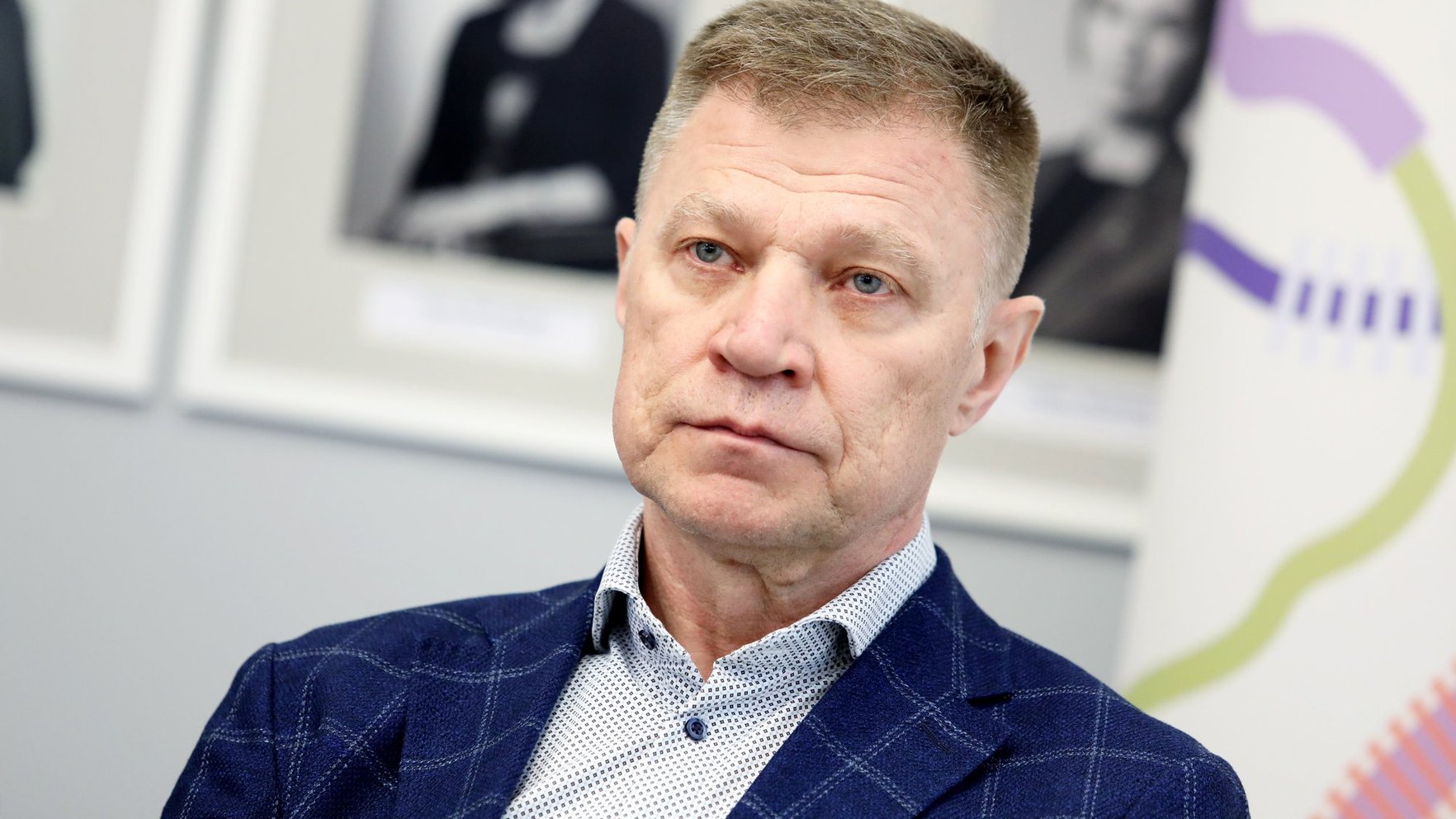
Aigars Benders, chief technical officer of the LMT group, a Latvian mobile operator, writes in an opinion piece for the portal Delfi that satellite technology can help make mobile communications in Latvia more resilient. He argues this matters because outages caused by storms, power cuts or damaged fibre-optic cables affect daily life, business and national security. The article is the author's opinion and may not reflect the editorial stance of Delfi.
Combining several technologies
Benders says LMT's mobile network received the highest rating in the annual electronic communications quality measurement by the Public Utilities Commission, but that this is no longer enough. In his view, future resilience will depend on combining several technologies in one system, where one can supplement or replace another. Satellite links can help in remote places and keep critical infrastructure running.
He recalls that his first experience with satellites came about 16 years ago, when he built a mobile network in Nepal. Geostationary satellites, about 36,000 kilometres above Earth, provided coverage in remote mountain regions and at Everest base camp. Around 2022, the first prototypes appeared that could be placed in much lower orbit, at 350–450 km.
Limitations
Benders stresses that satellites will not replace mobile networks. In cities and indoors, optical and mobile networks will remain the main option. Satellite signals are affected by electromagnetic noise and heavy precipitation, and a connection may be unavailable indoors, under dense trees or behind terrain. He notes that 70–80% of mobile communications are used indoors.
Applications
Satellite broadband suits remote company sites, construction, transport and maritime use. Direct-to-device communication can send SOS messages or warn the public. Satellite IoT (Internet of Things) could be useful in energy, logistics, agriculture and environmental sensor monitoring, though it will not match 4G or 5G.
LMT is testing new technologies together with the company MikroTik, the Institute of Electronic Communications, SIA Elektroniskie sakari and Riga Technical University, so that Latvia can take part in shaping Europe's communications ecosystem.