LAPD Chief Warns Agricultural Spray Drones Could Be Used Against 2028 Olympics
Los Angeles Police Chief Jim McDonnell says agricultural spray drones could be weaponized against the 2028 Olympics. The city already holds federal counter-drone funding, but the Games' security task is far larger.
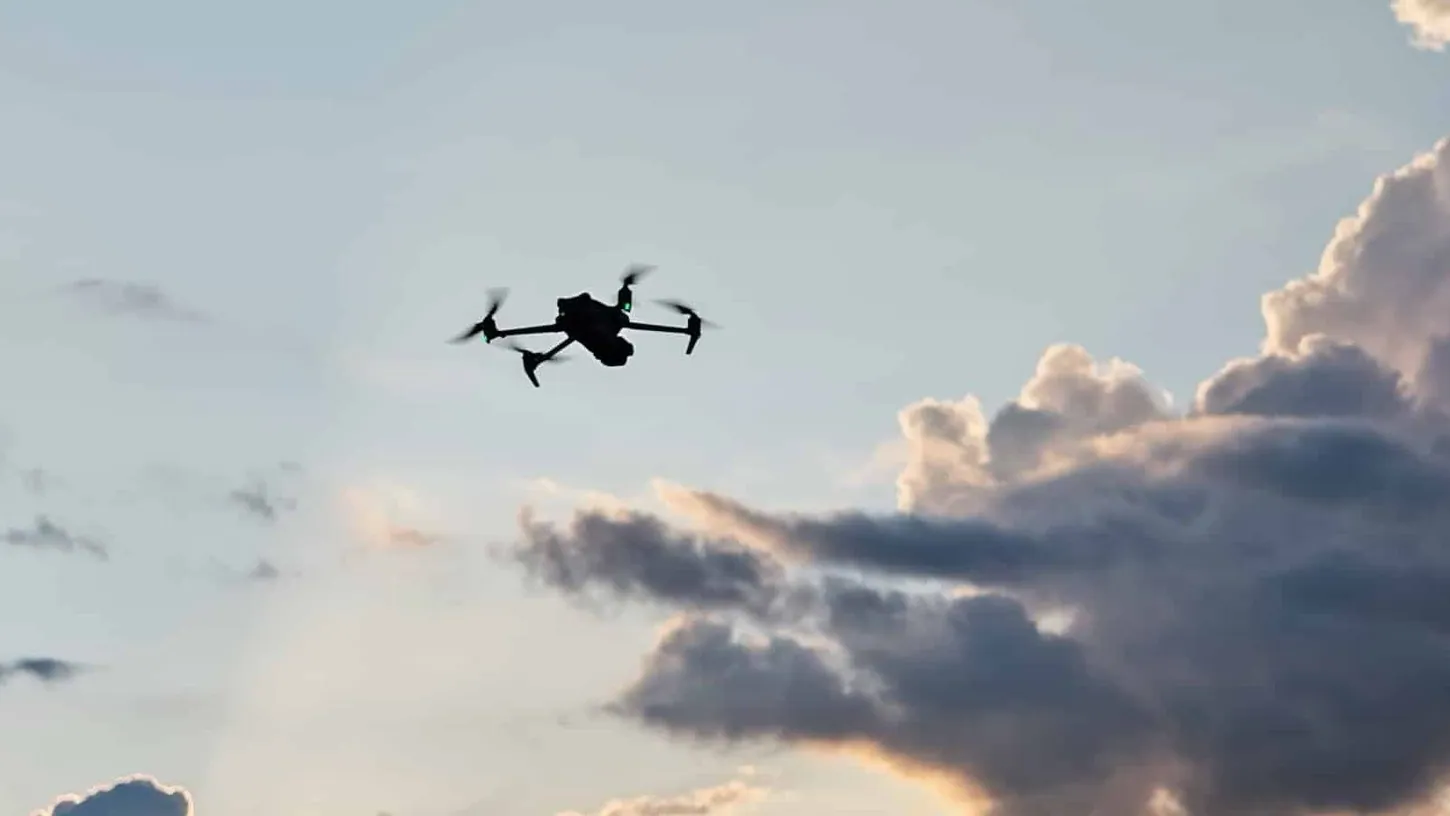
Los Angeles Police Department (LAPD) Chief Jim McDonnell warns that agricultural spray drones from California's Central Valley could be turned into weapons against the 2028 Summer Olympics in Los Angeles. He said getting technology, training and authorizations ready for drone threats will be a challenge. The comments were published by ABC7 on Saturday, with about 600 days left until the Games open.
Two types of threat
McDonnell described two scenarios: a spray drone carrying something other than farm chemicals, and a drone with ordnance attached. He cited large-scale drone strikes in overseas wars as the reason for preparation. ABC7's report names no specific plot against the Games. The nearest known case happened in New Jersey, where 15 Ceres Air C31 spray drones left a Harrison warehouse on March 24 on a forged bill of lading. The FBI treated the theft as possibly coordinated. All 15 were found about 48 km (30 miles) away a month later.
Scale and cost of security
Jeff Stohler, acting special agent in charge of the U.S. Secret Service's Los Angeles field office, said a typical National Special Security Event covers one to three venues for a couple of days, while the Olympics will involve 20 security footprints over more than 40 days. ABC7 estimated about 9,400 officers would be needed at the venues, more than the LAPD's entire force, and said more than 50 agencies share responsibility.
McDonnell told the Los Angeles Times that securing the Games could cost $3.5 billion to $4 billion in total, about $1.3 billion of it for Los Angeles alone. Congress has approved $1 billion so far.
The existing counter-drone network
In April, the Los Angeles City Council voted 13-0 to accept a $9,770,209 grant from FEMA, the U.S. Federal Emergency Management Agency. It paid for a counter-drone system bought for this summer's World Cup: sensors at 24 locations, two fixed sites that can stop a drone, mobile kits and a handheld device. The tools interrupt signals or override control, without kinetic force. LAPD personnel have completed FBI counter-drone training.
Local police have had legal authority to take down drones since July 1, but only certified officers may do so, and each operation needs separate FAA airspace coordination. California will receive $18.7 million from FEMA's second round, with awards expected on December 10.