MagSafe vs. USB-C: Choosing the best way to charge your MacBook
MacBook owners can choose between Apple's MagSafe charging technology and the widely used USB-C standard, each offering distinct benefits. MagSafe provides safety and faster charging, while USB-C allows a single cable to power multiple devices.
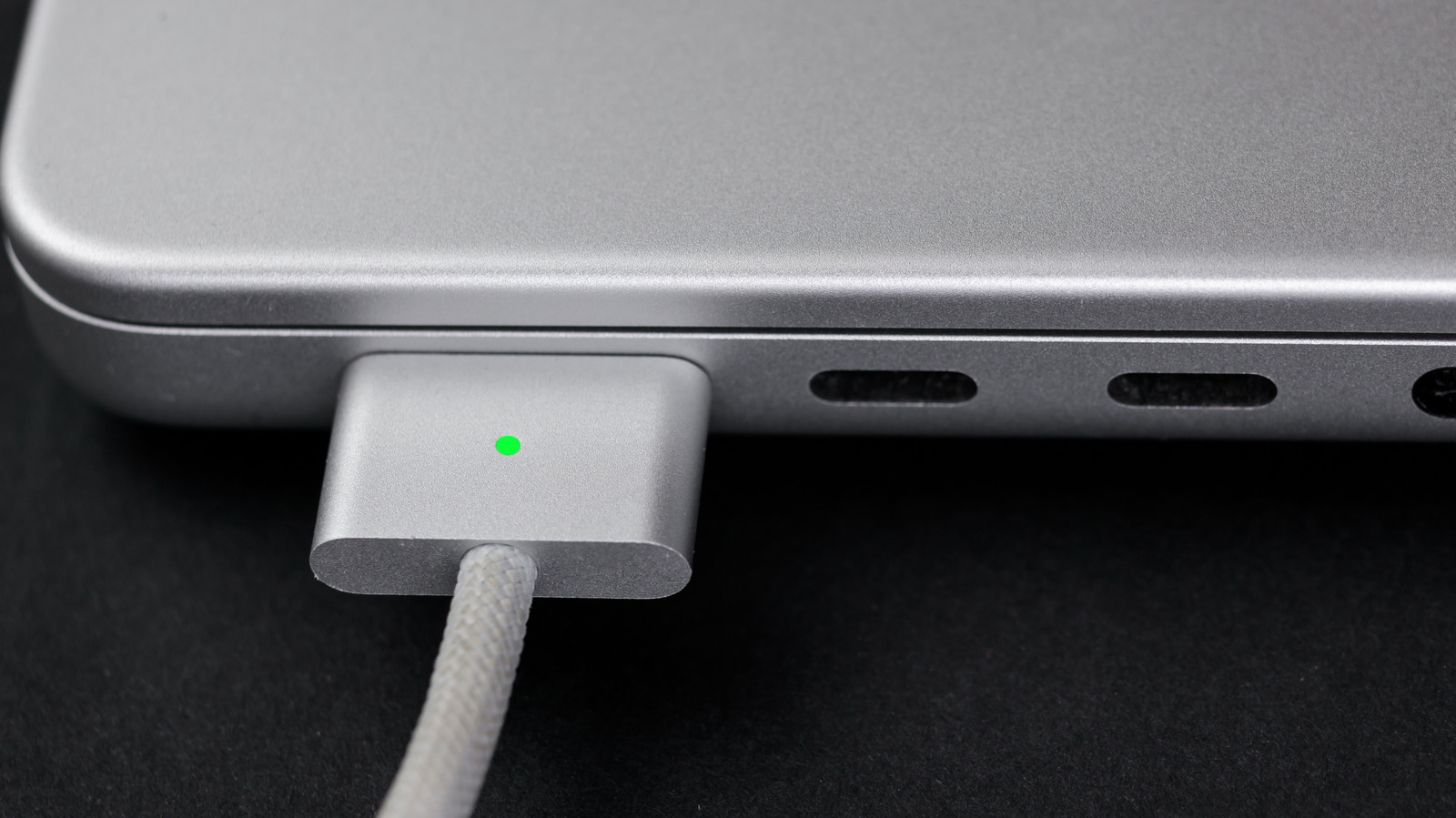
Modern MacBooks offer two charging methods: Apple's proprietary MagSafe technology and the industry-standard USB-C connector. Although the two cannot be used simultaneously, each has situations where it performs better than the other.
It's worth noting that MacBook's MagSafe is not the same technology as the iPhone's MagSafe, despite sharing a name. The iPhone version is based on the Qi wireless charging standard, while the MacBook version uses its own, much smaller physical connector. MagSafe on MacBooks has evolved through several generations, with MagSafe 3 being the current version. Each generation differs in physical size and power capacity, meaning they are not interchangeable with one another.
Key differences
MagSafe's main advantage is safety: if the cable gets caught on something or is yanked, it detaches easily instead of pulling the laptop down with it. USB-C, by contrast, is a standard plug-in connector, so an accidental pull is more likely to drag the laptop along with the cable.
Charging speed also differs significantly. On a 2021 MacBook Pro, a 2022 MacBook Air, or later models, MagSafe can deliver up to 140 watts with the right power adapter, enabling a 50 percent charge in just 30 minutes. USB-C typically maxes out at 60 watts under the standard specification, though specialized cables capable of 100 or even 240 watts do exist.
When USB-C makes more sense
For most users, MagSafe remains the more convenient and safer option, and it also frees up USB-C ports for other accessories. Still, USB-C's biggest appeal is versatility — a single fast charger and cable can power a Mac, iPhone, iPad and other USB-C devices, which simplifies packing for travel. MacBook Pro models released after November 2023 can even charge at up to 240 watts via USB-C. Ultimately, the right choice depends on individual needs, and keeping both cable types on hand offers the most flexibility.