Artificial Intelligence Revolutionizes Disinformation Tactics, NATO Study Warns
A new study by the NATO Strategic Communications Centre of Excellence reveals that AI-powered systems can now create convincing fake personas and automated networks, making disinformation campaigns far more sophisticated and harder to detect.
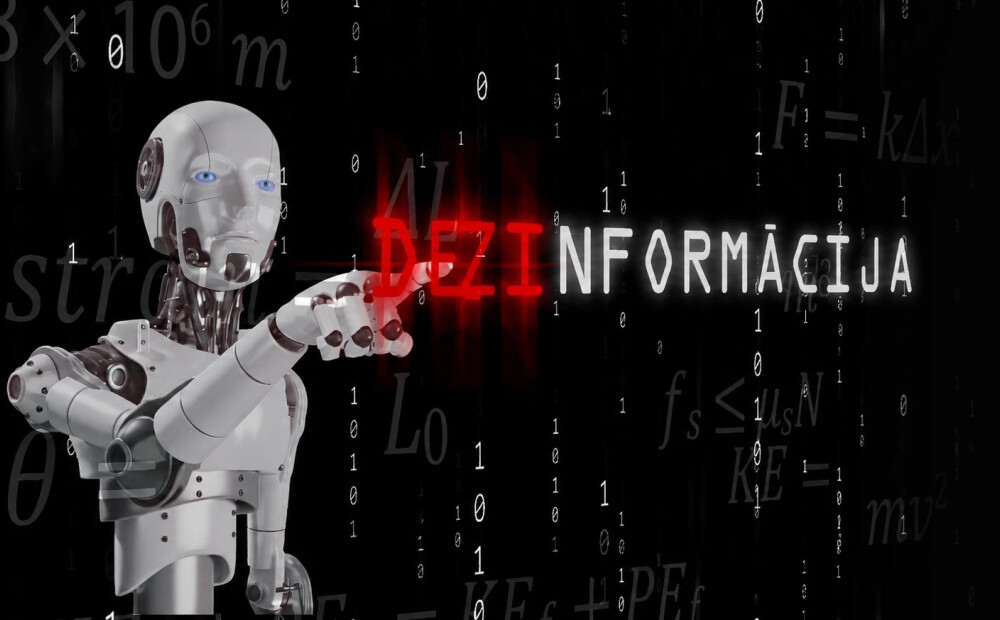
The rapid development of artificial intelligence has fundamentally changed the disinformation landscape, according to a recent study by the NATO Strategic Communications Centre of Excellence (NATO STRATCOM). Traditional bot accounts on social media, often easily recognizable due to repetitive patterns, are being replaced by far more complex systems capable of mimicking human behavior and engaging in discussions almost indistinguishably from real users.
Researchers emphasize that this is no longer a theoretical threat. Experiments using commercially available large language models show that the necessary technologies are widely accessible and relatively easy to use. In red-teaming tests – where specialists deliberately try to bypass security measures – conducted on eight popular AI models, none proved fully immune to manipulation. While some models were more resilient, vulnerabilities were found in all. Particularly concerning are open-source models: when safety restrictions are removed, they become highly effective tools for generating disinformation and harmful content, with instructions publicly available online.
Modern disinformation systems can create detailed digital personas with biographies, interests, and emotions. These accounts can build a reputation over time before being activated for specific campaigns. Such systems consist of multiple specialized agents: one analyzes social networks to find susceptible audiences, another creates digital identities, a third generates content, a fourth coordinates publication across platforms, and a fifth continuously evaluates results and adjusts tactics. A particularly effective method is the “engagement cluster” principle, where several AI-generated personas participate in the same discussion simultaneously – one acting as an expert, another as a concerned citizen, a third offering a solution, and a fourth playing the skeptic – creating an illusion of a spontaneous and diverse public debate.
To demonstrate the potential, researchers modeled a health disinformation campaign. The AI identified an online community with heightened anxiety about health issues, created several interconnected personas, and began spreading dubious information about heart disease treatments. Within a week, the campaign reached tens of thousands of users, and hundreds of real people started repeating the AI-generated arguments in their own posts. This moment, when disinformation begins to spread organically by users themselves, is considered one of the most dangerous phases of information operations.
The study concludes that current regulatory mechanisms and AI safety requirements are insufficient to prevent malicious use of these systems. Closer cooperation between governments, technology companies, social media platforms, and researchers is necessary. At the same time, public media literacy and critical thinking skills are becoming increasingly vital. Without these measures, future disinformation campaigns are likely to become not only more widespread but also much harder to detect than ever before.