AI could help win 'race against extinction' of vital plants, say botanists
According to a major report from Royal Botanic Gardens, Kew, the rise of AI and digitisation could be a turning point in the 'race against extinction' of plants and fungi, enabling faster identification and new insights into climate change impacts.
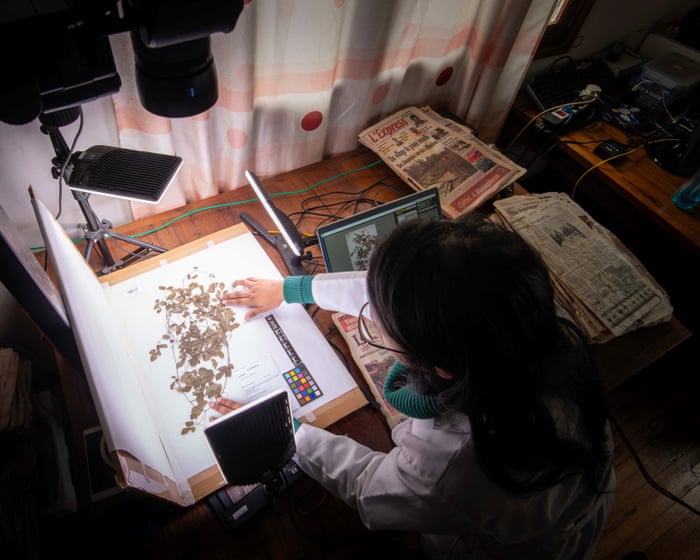
New technologies, including artificial intelligence and digitisation, could transform botanists' ability to save plants and fungi from extinction, according to a major report from Royal Botanic Gardens, Kew.
Digitisation opens new doors
Scientists can now track shifts in flowering times worldwide, rapidly identify new specimens, and even extract genetic data from 180-year-old fungus specimens. Kew has digitised all 7.4 million of its specimens, including those collected by Charles Darwin, making them freely available online. Globally, 145 million digital specimens are now online, but this is less than 16% of the total held in herbaria, leaving 'huge blind spots in understanding', the scientists said.
Species at risk
Plants and fungi underpin all life on Earth, supplying food and medicines, storing carbon and regulating the climate. However, about 40% of the 70,000 plant species assessed are at risk of extinction, with another 330,000 yet to be analysed. There are also believed to be another 100,000 plant species still to be named. The situation is even starker for fungi, with 90% of an estimated 2 million species still unknown to science.
AI in identification
AI can learn to identify challenging plants such as sedges and peat mosses, whose distinguishing features are microscopic. This means new or vulnerable species can be spotted faster. 'These AI models can sometimes now identify better than specialists – that's incredibly exciting,' said Prof Alexandre Antonelli, executive director of science at RBG Kew.
Climate change impact
A global study using an AI model trained to spot flowers analysed 8 million digitised specimens. It revealed flowering has shifted by an average 2.5 days per decade over the last century due to the climate crisis. This can severely disrupt ancient relationships between plants and their pollinators.
Genetic goldmine from old fungi
New technology is unlocking genetic secrets from fungi, with scientists now able to produce high-quality genomes from specimens up to 180 years old. The researchers said the breakthrough makes historical fungarium specimens a 'genomic goldmine' for new medicines and prediction of disease outbreaks. Penicillin and statins were derived from fungi.
Concerns over AI energy use
The report's authors acknowledged concerns over the heavy use of energy and water by AI datacentres, which now consume 6% of electricity in the UK and US. The report calls for partnerships between tech companies and environmental organisations, and for governments and funders to invest in plant and fungi collections.