Malaysia tightens hiking rules as social media trend fuels rescues
Malaysia is introducing nationwide hiking restrictions — including mandatory guides at 189 high-risk sites and bans on some compressed hikes — after a social media-driven hiking trend led to a sharp rise in lost adventurers and rescue operations.
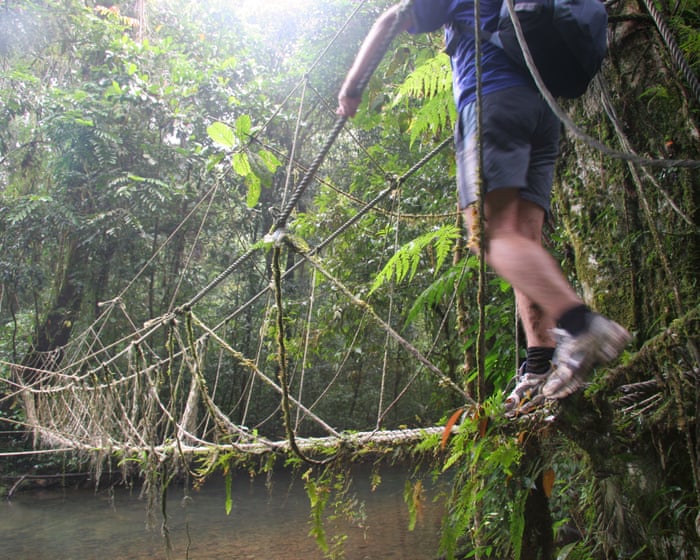
Malaysian authorities are tightening hiking regulations across the country in response to a growing number of hikers who need to be rescued after getting lost or stranded. The move follows a surge in incidents linked to social media trends that encourage risky outdoor behaviour.
According to the Malaysian Fire and Rescue Department, there were 52 cases of lost hikers in the first five months of 2026, an increase of nearly 30% compared with the same period a year earlier.
Guides and officials have pointed to the influence of online hiking communities. Norimah Abd Karim, a member of an association of certified forestry mountain guides, said that many hikers carry only minimal gear in order to look like professional trail runners on social media. She added that some hikers focus so much on creating interesting content that they are willing to take risks and neglect their own safety.
A particularly popular phenomenon on platforms such as TikTok is the "compressed hike" — a shortened version of a demanding route often completed in a single day, instead of the usual multi-day schedule. Trends such as "bagging peaks," where hikers try to tick off as many summits as possible, have also been criticised for encouraging an achievement-focused attitude toward nature.
To address these problems, the government is introducing new rules. These include mandatory guides at 189 high-risk locations, stricter pre-climb screening, and bans on certain compressed hikes. Deputy Minister of Natural Resources and Environmental Sustainability Syed Ibrahim Syed Noy told parliament on Wednesday that compressed hikes have been banned in many high-risk mountain areas across the country.
Syed Ibrahim said that hikers who underestimate the importance of preparation and are driven by social media trends have increased the risk of emergencies, according to national news agency Bernama.
How the ban will be enforced remains unclear. One state has said it will not approve applications for compressed hiking activities, while another has introduced minimum climbing periods of several days for certain routes. Malaysia already requires permits for hiking in its state parks and forests.
The government is also strengthening pre-climb checks by requiring health declarations, medical history reviews and insurance coverage. "The government's priority is to reduce the risk of hikers getting lost and prevent accidents, thereby minimising the need for SAR operations, which require substantial financial resources and manpower," Syed Ibrahim said.

/nginx/o/2026/09/28/17944070t1h4e75.jpg)
