Mother testifies Lindsay Clancy spoke of thoughts of harming her children
At the Massachusetts trial over the killing of her three children, Lindsay Clancy's mother testified that her daughter showed severe depressive symptoms in the months before the deaths and once admitted having thoughts of harming the children. The prosecution has rested its case and the defense has begun calling witnesses.
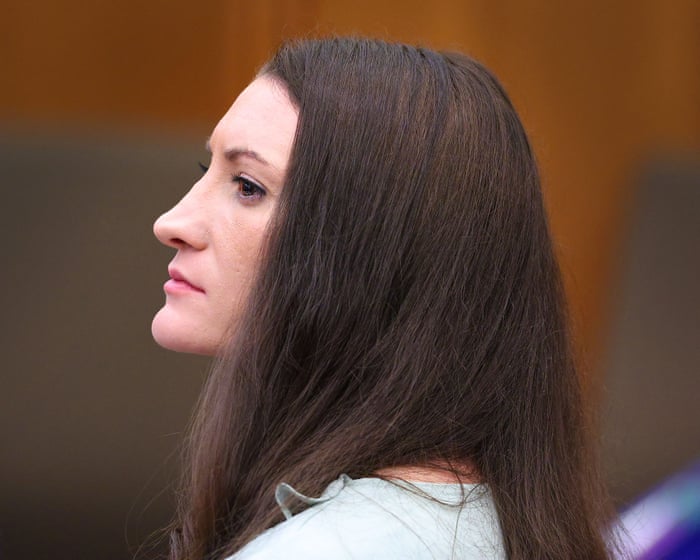
The defense began presenting its case Monday in the filicide trial of Lindsay Clancy in Plymouth, Massachusetts, following three weeks of prosecution evidence detailing the events surrounding the killing of her three children.
Questioned by defense attorney David Reddington, Clancy's mother, Paula Musgrove, testified that her daughter's words and behavior had worried her in the months before 24 January 2023. Lindsay had asked to sleep in her mother's bed and said the medication prescribed for her postpartum depression was "destroying" her mind.
Musgrove recounted that on one occasion her daughter approached her and her former husband, Patrick Clancy, saying she wanted to tell them something — that she had thoughts of harming the children. Patrick has previously testified that his wife told him she had no plans to hurt the kids, and that after the killings, while in hospital, she said she had heard a man's voice telling her that if she didn't act then, she would lose her chance.
Musgrove also described a text message she received from Lindsay on 20 October, three months before the killings, in which Lindsay wrote she felt very sick, something was wrong, and that her medication wasn't helping. Musgrove then traveled to her daughter's home in Duxbury and stayed for a week. She testified that by November and December, things had not improved — Lindsay was losing weight and becoming "paranoid."
The defense is seeking to show Lindsay suffered from severe postpartum mental illness and that the killings were not an intentional act, as prosecutors contend. Lindsay, 36, is charged with murdering her children — five-year-old Cora, three-year-old Dawson and eight-month-old Callan — by strangulation. She does not deny causing their deaths but has pleaded not guilty by reason of insanity or lack of criminal responsibility. A first-degree murder conviction would mean life in prison without parole, while a finding of lack of criminal responsibility would result in commitment to a state psychiatric hospital. Earlier in the trial, the prosecution presented testimony from a digital forensic expert about searches on Lindsay's phone in the days before the killings, including queries about postpartum psychosis symptoms.