Mauritania attempts to revive tourism after battling armed attacks
After improving security, Mauritania is trying to attract tourists again, but recovery is slow.

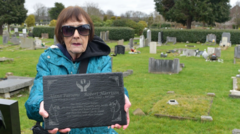
In the Adrar region of Mauritania, Fatima Cheikh Mohammad Bouya waits for guests at the Richat Structure, also known as the "Eye of Africa." This colossal geological formation, about 40 km in diameter, is one of the continent's most striking natural landmarks. Bouya is one of many locals benefiting from Mauritania's slow revival as a little-known travel destination.
The country's tourism boomed in the early 2000s, drawing around 30,000 visitors annually, mainly from France, thanks to the Dakar Rally. However, from the mid-2000s, armed groups including al-Qaeda in the Islamic Maghreb and the Salafist Group for Preaching and Combat launched attacks, killing four French tourists near Aleg in 2007. Tourist numbers plummeted, and the Dakar Rally was moved to the Middle East.
No attacks have been reported since 2011. The government strengthened security with elite forces at borders and engaged religious leaders to counter extremism. However, researcher Baba Adou of the University of Florida warns that border areas with Mali remain vulnerable to spillover.
Today, Mauritania is attracting travelers again, especially with the Iron Ore Train, a viral symbol. Tourist arrivals rose 166 percent between 2018 and 2019 after visa fees were cut. About 7,000 visitors came this year, according to travel operator Alioune Cheikh.
Infrastructure remains lacking. Visitors note no guards or ticket offices, and desire smoother roads and luxury accommodation. Travel expert Sean Connolly says Mauritania's pristine nature and nomadic hospitality are its main draws; luxury hotels are rare. The first international chain, Sheraton, opened in Nouakchott in April.
Fatima Bouya recalls her family hosted tourists since her childhood but stopped due to security issues. Now she restarted to earn a living, though attracting tourists is difficult—the last guests came three nights ago. "Tourists are like property that we have to fight for now," she says.