Media expert: Latvian music needs incentives, not radio quotas
Media expert and radio entrepreneur Guntars Traubergs has spoken out against the Culture Ministry's planned radio quotas, arguing the tool is outdated and could harm broadcasters and musicians. He calls for investment and cooperation instead of administrative coercion.
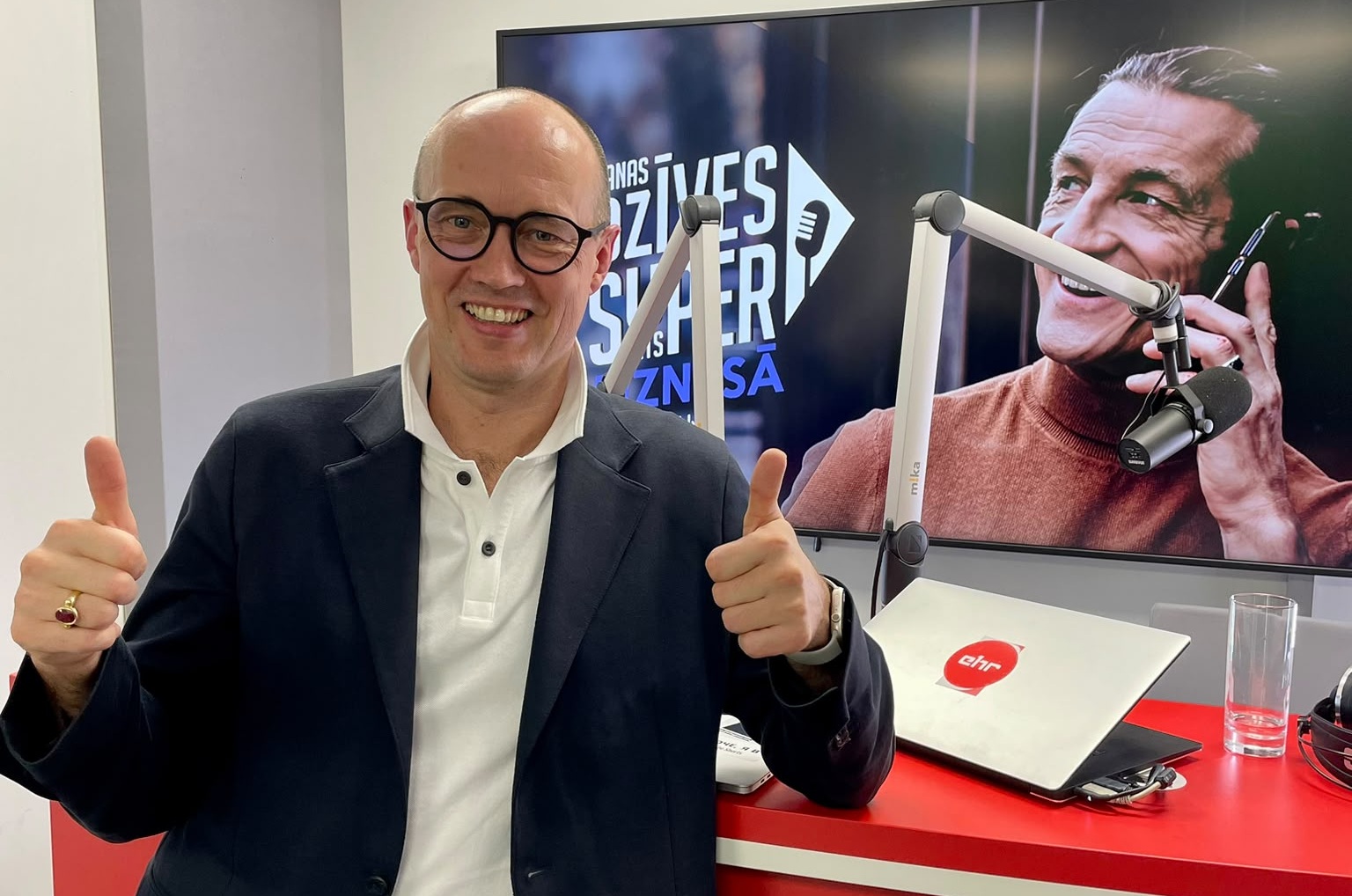
Media expert and radio entrepreneur Guntars Traubergs has publicly rejected the Culture Ministry's proposed radio quotas for music made in Latvia. He argues that such a mechanism no longer works in 2026 and could hurt both the radio industry and Latvian musicians themselves.
Traubergs points out that the draft law applies to music created in Latvia regardless of language, so this is not a debate about protecting the Latvian language. He agrees with the goal of helping Latvian authors, performers and producers earn more, but questions whether quotas are the right instrument.
According to him, the share of Latvian-produced music on radio is already close to 20%. Data from LaIPA show that in 2024 it stood at 19%, including public broadcaster programmes. That result was achieved by listeners' choices, not by administrative pressure. There are also radio stations devoted exclusively to music made in Latvia.
The author notes that the quota plan was initially justified by economic arguments, but when those proved unconvincing, the discussion shifted to language, national identity and even security. He links the initiative to the pre-election period for the 15th Saeima, noting that Culture Minister Nauris Puntulis has called quotas one of his priorities. A law affecting an entire industry should not be pushed through merely because it sounds good in political slogans, Traubergs says.
He warns about digital competition. If commercial radio is artificially restricted on FM, listeners may switch to streaming platforms such as Spotify or YouTube, and everyone could lose. Popular stations might also move more of their activity to the digital environment, where quotas do not apply, reducing the diversity of FM programming.
Traubergs stresses that one model cannot fit all stations. European Hit Radio, for instance, has for years introduced young listeners in Latvia to current European and world music trends, keeping them part of the wider European cultural space. The aim should be for Latvian music to become a hit in Europe and the world, not only in Latvia.
In his view, a quota is a fish that creates no new songs, while investment in talent, producers, recordings, exports and marketing is the fishing rod. Latvian music needs more investment, more exports and more listeners, not more obligations.


/nginx/o/2026/03/31/17538054t1h62fe.png)