Medics to protest outside government today as minister doubts pay raise
Latvia's healthcare workers' union is holding a protest outside the Cabinet building today demanding a wage increase, but the health minister stopped short of promising the raise will happen. He said the final call rests with the finance minister and the whole coalition.
The Latvian Trade Union of Health and Social Care Employees (LVSADA) is holding a protest today outside the Cabinet of Ministers building, with roughly 1,000 participants expected to demand higher pay for healthcare workers — an increase of up to a quarter. The union says the action is a response to the government's failure to offer a concrete, funded plan to address the healthcare crisis, and that its goal is to defend accessible medical care, the sector's future, and patient safety.
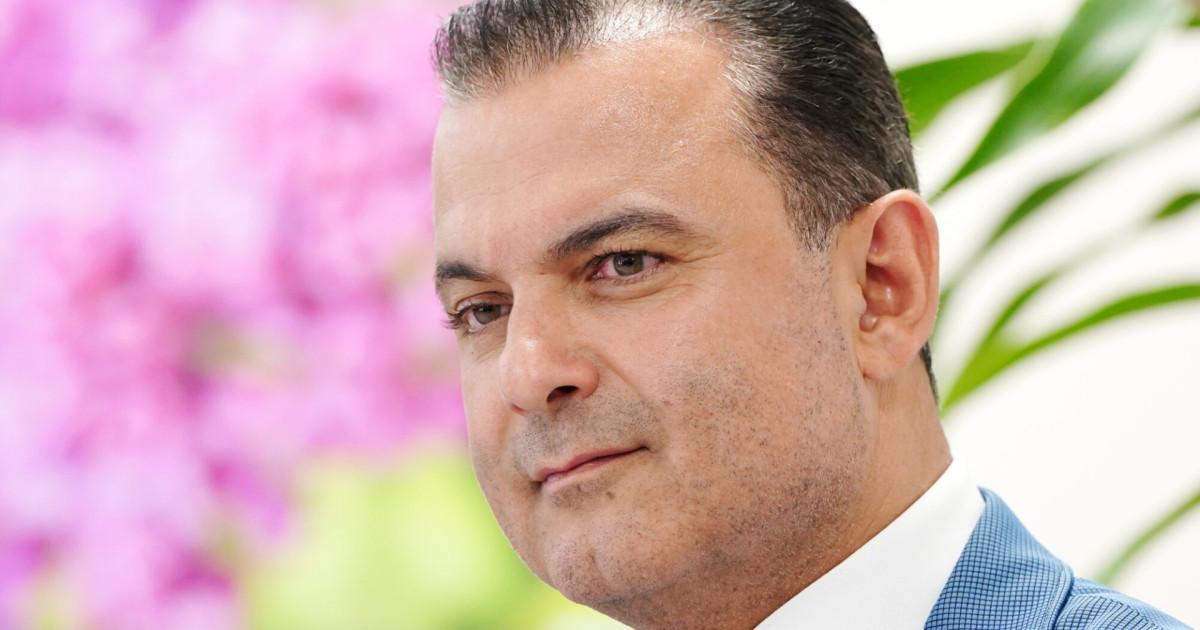
Health Minister Hosam Abu Meri acknowledged that the new government declaration under Prime Minister Andris Kulbergs commits to healthcare funding of at least 12% of state budget spending, or 6% of GDP. Meeting that target, he said, would require an additional 400–500 million euros, which would also cover wage increases. However, he warned that finding such funding will be difficult given the country's slow economic growth, and that every ministry will need to make savings.
Asked whether this means healthcare workers should not expect a 30% pay rise next year — the demand expected at today's protest — the minister said the request would be made, but that the final decision does not rest with him alone. It depends on the finance minister and the entire governing coalition.
Current minimum sector wages
Under current government regulations, the minimum monthly wage for a nursing assistant or medical assistant is set at 863 euros — 43 euros above the minimum wage planned for 2027. The minimum wage set for a nurse is 1,189 euros. LVSADA notes that Latvia has roughly half as many nurses per capita as the European Union average, yet the pay gap with other professions remains substantial. The union warns that without a proportionate wage increase, staff shortages in the sector will only deepen.


