As tobacconist firebombings escalate in Melbourne, insurers pull cover from nearby businesses
A wave of arson attacks targeting Melbourne tobacconists is leaving nearby small businesses unable to secure insurance. Criminal syndicates fighting for control of the illicit tobacco trade are causing collateral financial damage to unrelated shopkeepers.
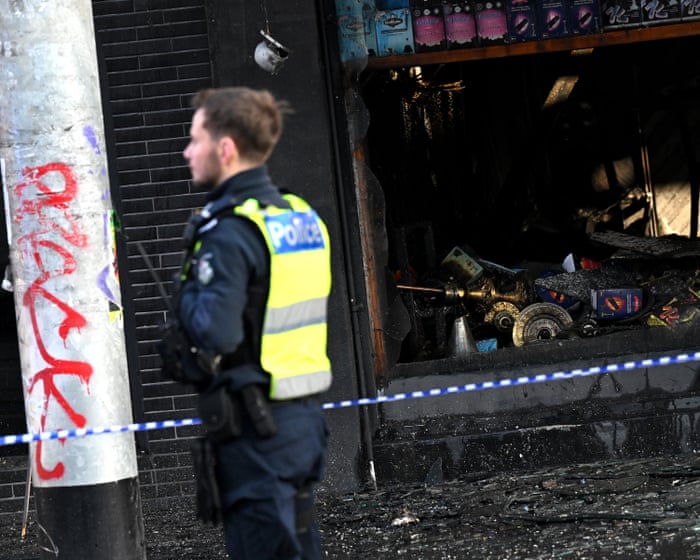
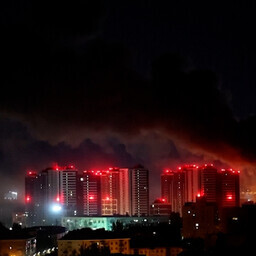
A growing wave of firebombings targeting tobacconists across Australia is now spilling over into neighbouring small businesses, many of which are being denied insurance renewals or offered policies stripped of fire cover simply because of their proximity to a tobacco shop. The crisis deepened after a recent blaze in Melbourne's Richmond area destroyed a tobacconist and damaged nearly a dozen surrounding shops, requiring 80 firefighters to bring under control.
Government data shows more than 200 firebombings of commercial and residential properties have occurred across Australia since 2023, linked to criminal syndicates competing for dominance in the illicit tobacco market. One Melbourne retailer, who spoke to Guardian Australia on condition of anonymity, said their insurer refused to renew coverage simply because the business sat a few doors down from a tobacconist. The retailer added that quotes obtained from other insurers no longer included fire cover at all, and that relocating would not eliminate the risk since a tobacconist could later move in next door.
Legitimate tobacco retailers have also become targets, as syndicates reportedly try to muscle into their operations, making insurance harder for them to obtain as well. Skye Cappuccio, chief executive of the Council of Small Business Organisations Australia, said small businesses should not bear the financial fallout of criminal activity outside their control, calling for coordinated action from governments, law enforcement and regulators to tackle both the illicit tobacco trade and the broader insurance affordability crisis facing small business.
According to the Australian Criminal Intelligence Commission, businesses near tobacco-related firebombings also suffer reduced foot traffic, falling revenue and reputational harm. While insurers have not officially defined what counts as "close proximity," brokers typically treat businesses within about 20 metres of a tobacconist as higher risk, whereas tobacco shops located inside larger shopping complexes are viewed as lower risk.
Illicit tobacco made up 80% of cigarettes smoked in Australia in 2025, with illegal packets selling for as little as $10 compared with over $40 for legal ones, fuelling political debate over whether cutting the tobacco excise could curb illegal sales, even as health experts push instead for stronger enforcement at Australia's ports. Suncorp confirmed it no longer insures tobacconists, including existing customers, while QBE said coverage decisions are assessed case by case based on changing risk profiles.