Black barrister recounts racism after being denied parking at London court
British barrister Stephen Akinsanya says a security guard barred him from a London court's car park, claiming it was reserved for defendants, reviving debate about racism in the UK justice system.
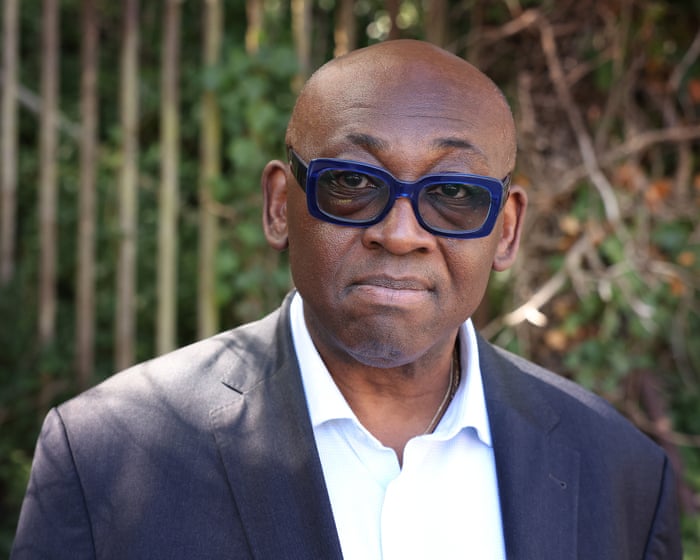
British barrister Stephen Akinsanya, who received an OBE in June for his work raising awareness of youth knife crime, has described a demeaning encounter at an east London court roughly a month ago. According to Akinsanya, a security guard refused to let him park in the court's car park, telling him the space was not for defendants.
He first disclosed the incident in a podcast released this week by the Criminal Bar Association, focused on racism within the legal profession. Akinsanya said the moment echoed an experience from 1993, when, as a newly qualified lawyer at the same court, a guard asked him which case he was on trial for. More than three decades later, arriving by car, he faced similar treatment despite wearing his barrister's attire, minus the gown. When he questioned the guard, the man appeared embarrassed and raised the barrier to let him through.
Other legal professionals featured in the podcast, including Keir Monteith KC, said many black barristers had faced similar treatment earlier in their careers, though he personally no longer did, likely because he is well known at his usual court. In 2020, the courts service apologised after two black barristers were repeatedly mistaken for defendants in a single day.
Lack of diversity among judges
Recently published figures show that over the past decade, the share of black judges in England and Wales rose only slightly, from 1.4% to 1.6%, even though black people make up 4% of the population. Of 5,337 judges, only 79 are black, and just one, Mrs Justice Margaret Obi, holds a senior court position. Akinsanya called for measurable targets and an accountable body to track progress on diversity within the profession. Fellow panellist Laurie Anne-Power KC said an oversight board was needed to examine whether outcomes differ between white and black applicants during the selection process. Monteith criticised the use of confidential 'secret soundings' in judicial appointments, arguing candidates should be assessed on their performance at interview rather than on undisclosed opinions circulated among sitting judges.
/nginx/o/2026/09/21/17929633t1h130f.jpg)
