Memorial museums director: each site must find its own strength
Ināra Polmane, head of the Association of Memorial Museums, explained on Latvian Radio why memory institutions matter to society and the state.
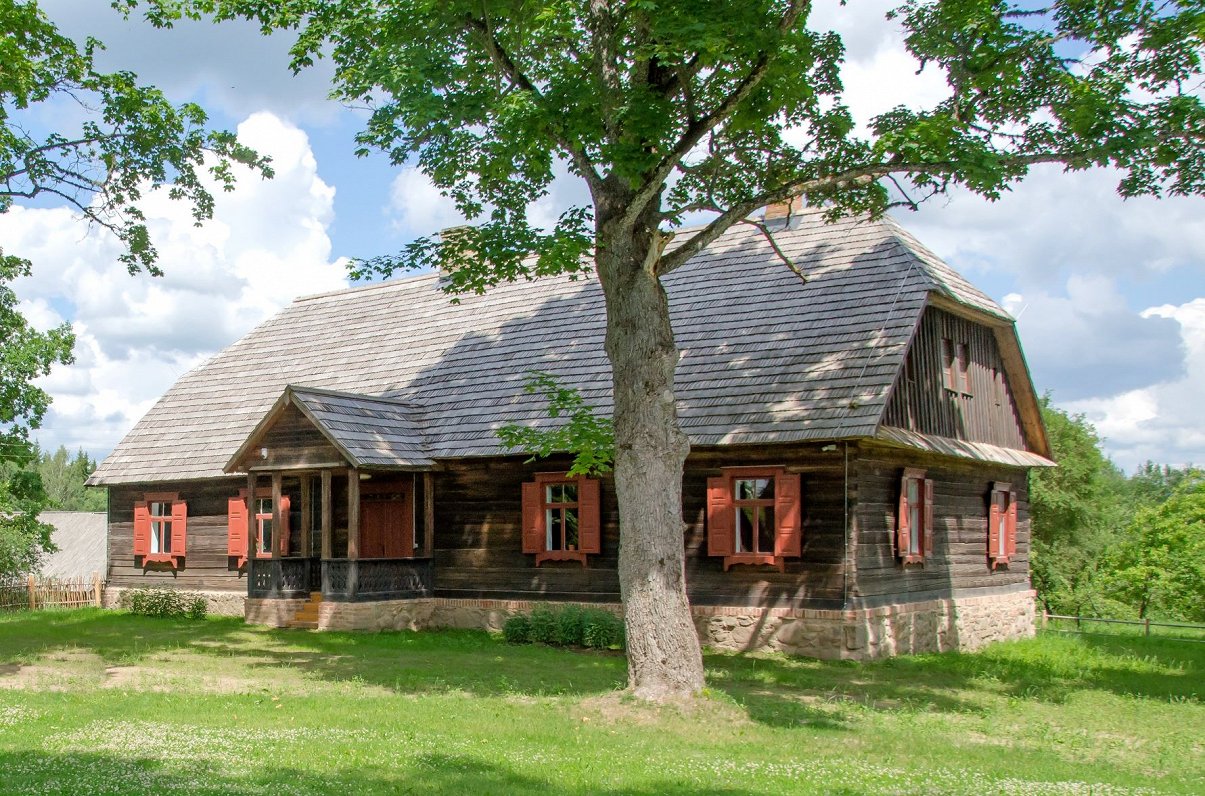
On Latvian Radio's programme "Kultūras rondo", the role of memorial museums in present-day Latvia was discussed. Ināra Polmane, director of the Association of Memorial Museums, said that every such museum must continually search for its own strongest quality and relevance in order to remain meaningful to visitors as times change.
Different functions, shared foundation
According to Polmane, memorial museums can take on a wide range of functions within society. Whatever additional role a particular institution chooses to play, however, its core nature does not change — memorial museums remain, first and foremost, keepers of the heritage of outstanding individuals. She noted that this function stays constant regardless of how a museum adapts to the times and to visitors' changing needs.
The discussion also touched on why such memory institutions matter to the state as a whole — they serve as a link between society and its historical, cultural and intellectual roots, preserving knowledge about people whose contributions helped shape national identity.
Polmane's remarks reflect an ongoing rethink within the memorial museum sector about how these institutions should develop and attract visitors without losing their original mission of preserving memory.