Moon and Venus to Appear Exceptionally Close in the Sky on the Morning of 7 November
Astronomy enthusiasts can watch the Moon and the planet Venus draw close together on the mornings of 6 and 7 November. According to Forbes, it will be the closest apparent approach of the two bodies in 2026.
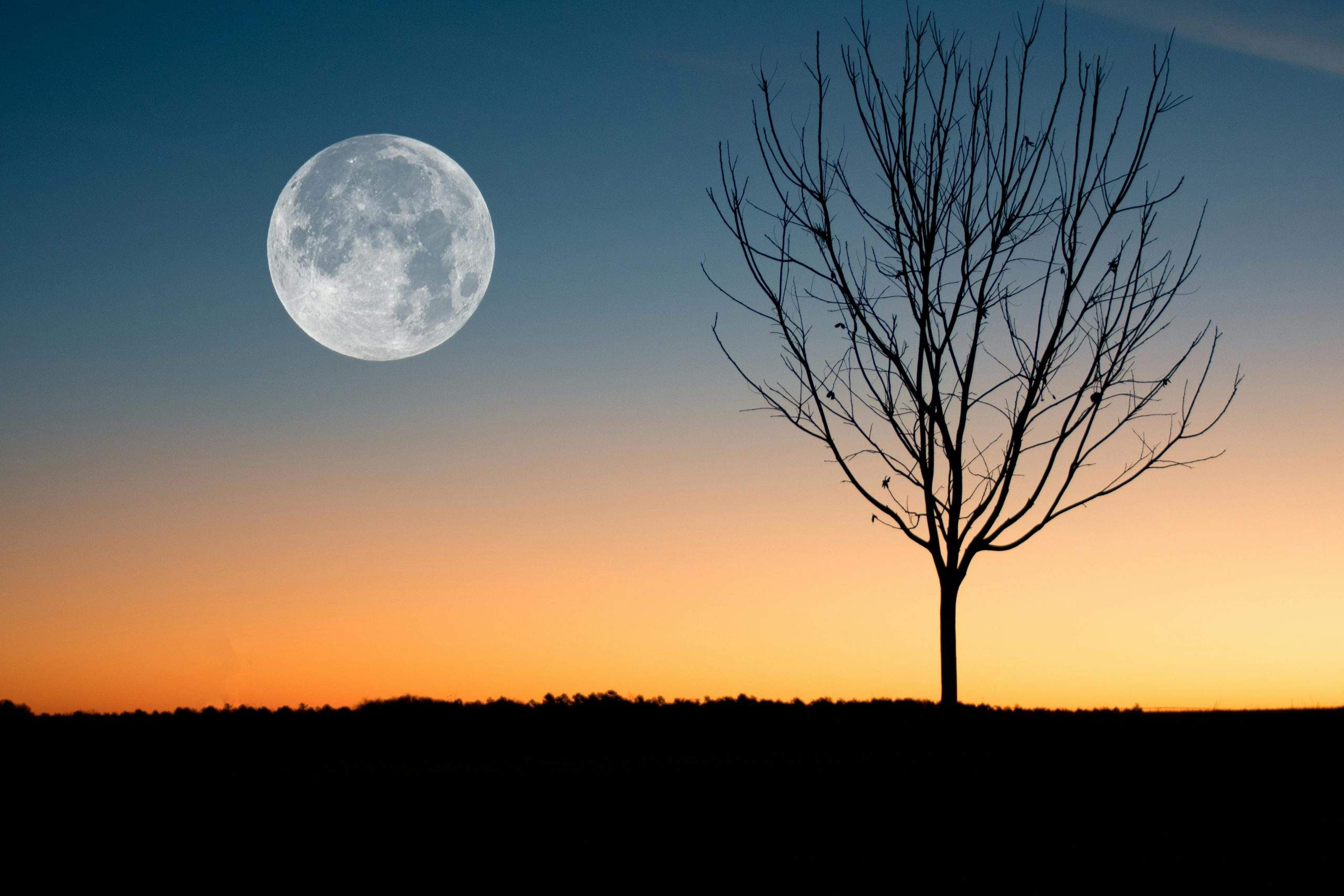
A rare astronomical sight is visible in the early-November sky: the Moon and the bright planet Venus will appear closer to each other than at any other point this year. The closest approach is expected on 7 November and is best seen in the early morning, shortly before sunrise. The information comes from Forbes, as cited by the Latvian newspaper Latvijas Avīze.
When and how to watch
On the morning of 6 November, Venus will sit near a thin crescent Moon, with roughly 8% of its disc illuminated. The following morning the view should be even more striking: the Moon will be only about 3% illuminated and will pass Venus at a distance of less than one degree of arc.
To see both objects, choose a spot with an unobstructed horizon to the east or southeast. The best time to watch is about 45 minutes before sunrise.
Winter constellations in the evening
In the evenings of November, winter constellations climb higher in the eastern sky after dark. One is Taurus, where the bright orange-red star Aldebaran and the Pleiades star cluster can be spotted. Orion appears later and is easy to recognise by three bright stars that form Orion's Belt.
Other events in November
Mid-month brings the Leonid meteor shower, with its peak expected on the night of 17 to 18 November. On 21 November, Mercury reaches its greatest western elongation, meaning it will be at its largest angular distance from the Sun to the west, which makes it easier to observe before sunrise.
At the end of the month, on 24 November, a full Moon is due, and it will also be a supermoon. The Moon will be close enough to Earth in its orbit to look slightly larger and brighter in the sky than an ordinary full Moon.