Mesh Wi-Fi or a Standalone Router: When the Extra Cost Makes Sense
Tech site Engadget outlines the pros and cons of mesh Wi-Fi systems compared with a standalone router. Mesh mainly offers greater range and seamless roaming, but many apartments are well served by a single router.
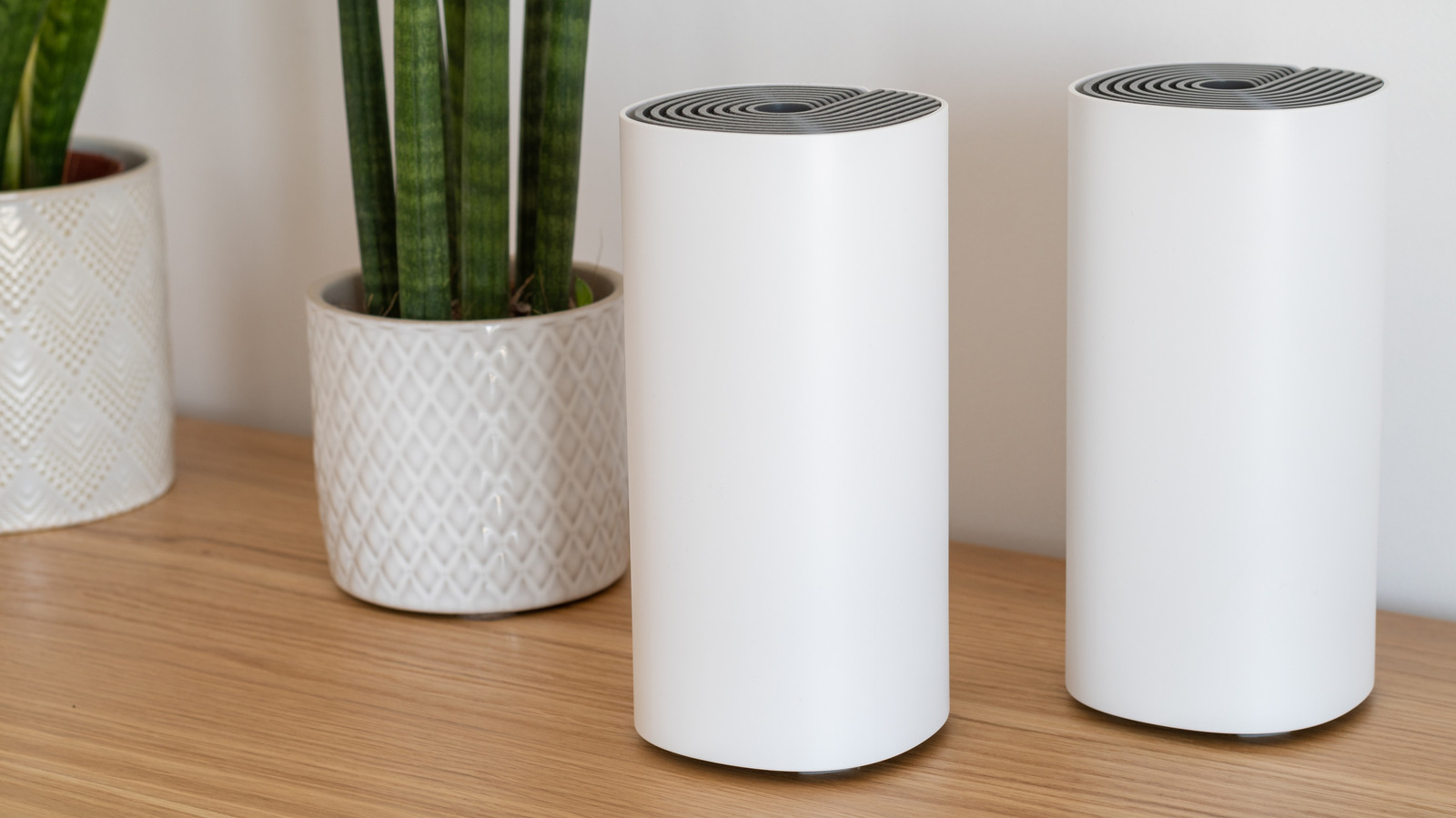
When buying a Wi-Fi router, one of the biggest decisions is whether to choose a mesh system, in which several linked units cover a space together, or a conventional standalone router. The question is examined in an explainer by the technology site Engadget. Mesh products cost more, so the outlet argues that stepping up to one should be backed by concrete reasons.
What mesh offers
The main benefit is range. In a mesh network, extra units act as a kind of repeater for the gateway router that connects to the modem or fiber terminal. As an example, the article cites a relatively inexpensive two-pack of Eero 7 units, which in theory can cover up to 4,000 square feet (about 370 square metres). If more coverage is needed, another compatible unit can be added. A standalone router has a fixed coverage radius unless a Wi-Fi extender is purchased.
Unlike extenders, mesh systems provide seamless handoffs. The network has a single SSID (network name), and devices are passed from one unit to another depending on proximity. This avoids manual network selection and problems that can arise when devices need to communicate with each other.
The drawbacks
A unified network name means separate names cannot be assigned to each frequency band, and band steering is automatic. The author notes this can trip up cheap smart home accessories that only support 2.4GHz, because their setup apps often cannot find them while the phone is on the 5 or 6GHz band. Conversely, users may want to force PCs or VR headsets onto 5 or 6GHz for the best bandwidth.
In cheaper mesh products, the backhaul between the units sometimes shares the same bands as the connected devices, and performance can suffer considerably. Without the budget for a tri- or quad-band system, there may be little point in choosing mesh unless filling dead zones is the only goal.
When to choose mesh
Mesh is the obvious choice for a multi-floor house, or if coverage is wanted in a backyard, detached shed or garage. Metal and concrete can block signals. If interference persists, some mesh systems allow a wired Ethernet backhaul as a workaround.
Most apartments should be well covered by a standalone router unless there are specific speed or range issues, and the savings are better put toward a faster router. Some multi-floor homes are also small enough for a single router; in that case, the article advises placing it in a fairly central location and keeping it unobstructed.