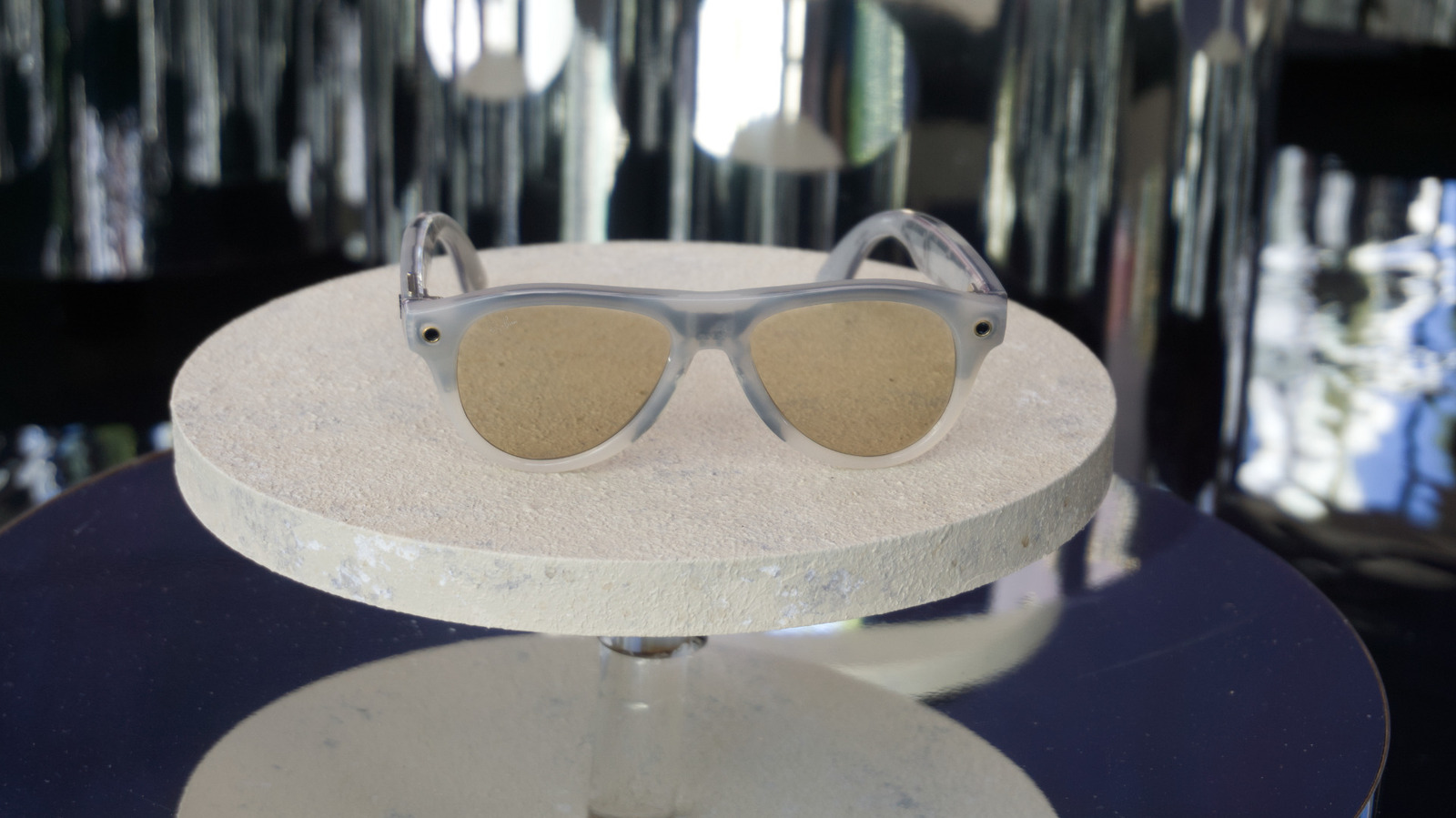
Meta Launches Camera-Free Smart Glasses After Privacy Backlash
Meta is unveiling Ray-Ban Meta Audio, a camera-free version of its smart glasses, following widespread criticism over privacy concerns tied to its camera-equipped model. The company denies the launch was rushed in response to public anger.

On Thursday, Meta is releasing a new smart glasses model called Ray-Ban Meta Audio, which contains no camera at all. The device retains the audio features of earlier versions — including phone calls and music playback delivered directly to the ear — without the privacy concerns tied to recording.
Meta launched its original camera-equipped smart glasses with Ray-Ban in 2023, sparking significant controversy. Multiple reports emerged of the devices being used to film women and girls without consent, with footage later shared online. The glasses earned nicknames such as "pervert" or "creepy" glasses. In the UK, they have been banned from JD Wetherspoon pubs, several major theatres, Comic-Con events, some schools, and the Faslane nuclear submarine base.
Meta says the audio-only model was not rushed out in response to criticism, stating it has been in development for two years. The new version is cheaper than its camera-equipped counterpart, with a lighter frame and improved battery life. When asked whether the camera-free glasses might outsell the original, a Meta product executive gave a carefully worded, non-committal response.
Industry reaction to the announcement is mixed. Some observers see it as a sign Meta is responding to privacy concerns, though they note the camera-equipped version remains on sale. Others describe it less as a retreat and more as a way to let the public grow comfortable with the technology before camera features eventually return to prominence.
The camera-equipped glasses have also spurred a cottage industry of workarounds, including apps and modifications designed to detect or disable the recording indicator light. Meta says fewer than 0.1% of glasses sold worldwide have been physically tampered with. Despite the backlash, other major companies — including Samsung, Google and Snap, which has already launched its own model — continue to pursue the smart glasses market.