Wild Boar Damage in Poland: Pastures Ruined, Losses Near 1 Million Zloty
Wild boars have repeatedly wrecked the pastures of an organic cattle farm in Poland's Pomeranian Voivodeship. Losses approach one million zloty, while the responsible bodies are tackling the problem slowly.
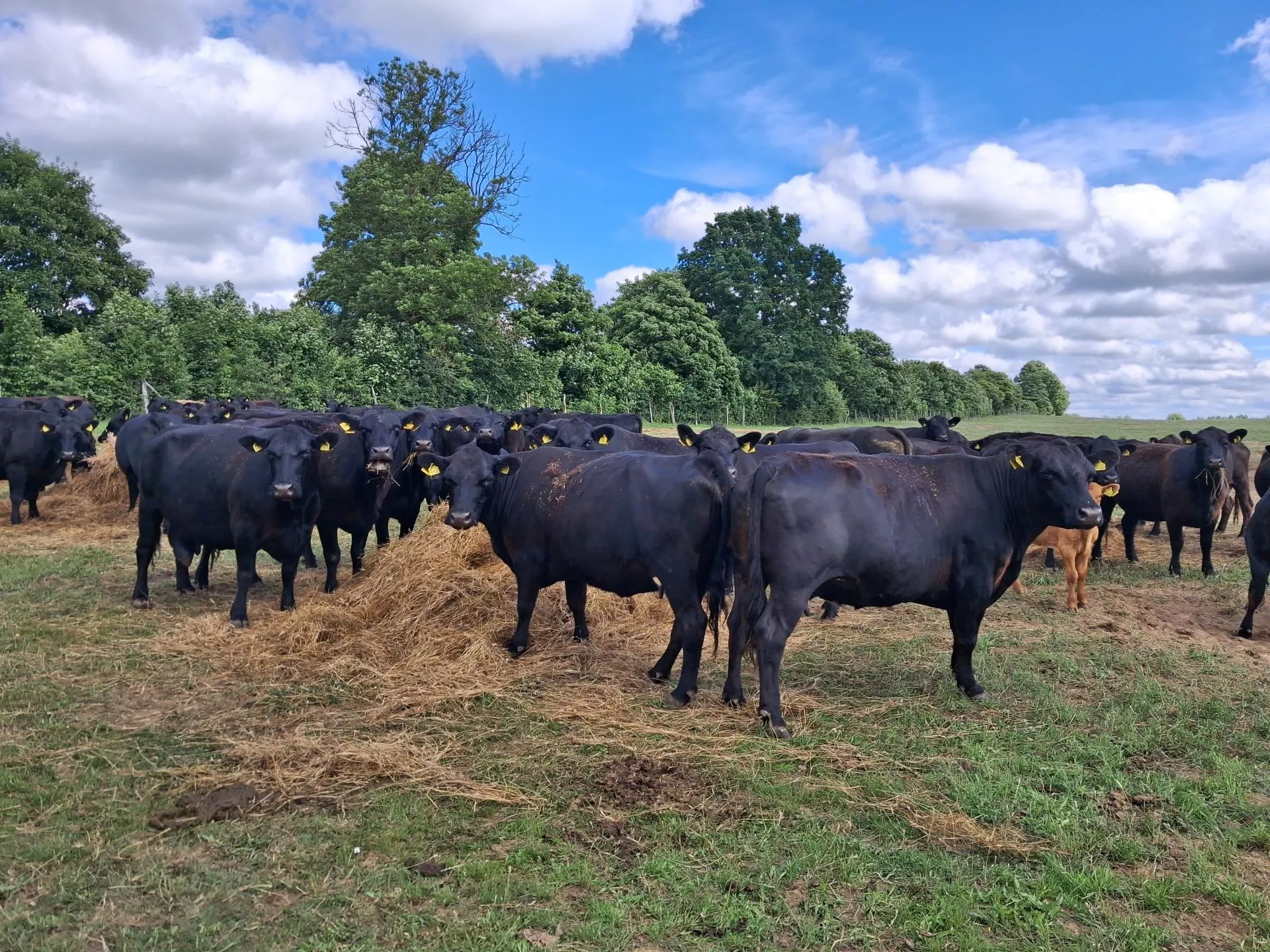
In Osieki, a village in Słupsk County in the Pomeranian Voivodeship of northern Poland, Jan Zazgornik runs an organic farm raising Angus beef cattle. The farm has about 650 hectares of grassland and a herd of 600–700 animals. For several years wild boars have repeatedly torn up its pastures, showing how damage by wildlife can threaten the entire operation of a grazing-based farm.
Scale of the damage
Mieczysław Woźny, an expert in assessing wildlife damage who represents the owner, says the first serious losses were assessed in 2021. In 2022 boars rooted up around 400 hectares of grassland. After the meadows are restored the animals return, and the cycle repeats twice a year. Because the farm is organic, renovation requires certified organic seed, which is costlier and harder to obtain.
Compensation was set at 476,684.18 zloty and 164,583.31 zloty for spring 2022 damage, and 322,428.87 zloty in a May 2023 protocol, totalling over 963,000 zloty. Across 2022–2026 the Pomeranian regional board received 134 hunting-damage claims worth almost 2.4 million zloty, and Zazgornik's farm accounts for more than 40% of that value.
Who is responsible
Initially the Warcino Forest District, which manages neighbouring hunting district No. 108, assessed the losses. It later classified part of the pastures as permanently fenced and therefore outside the district, which shifted liability to the State Treasury. According to Woźny, nobody hunts on these lands. The regional marshal has begun a procedure to change hunting district boundaries.
Forest District head Sylwester Kupczyk says intensive culling is under way, with 146 boars shot in the 2025/26 season, and additional barrier strips have been created. The Regional Directorate of State Forests in Szczecinek found no irregularities. Woźny stresses that the farm wants a solution to the problem rather than compensation.