Michigan Senate race: El-Sayed asks Stevens to stay away from campaign events
Abdul El-Sayed, the Democratic nominee for a US Senate seat in Michigan, has asked congresswoman Haley Stevens not to attend his campaign events. The open feud between the two Democrats worries a party that sees the race as vital to retaking the Senate.
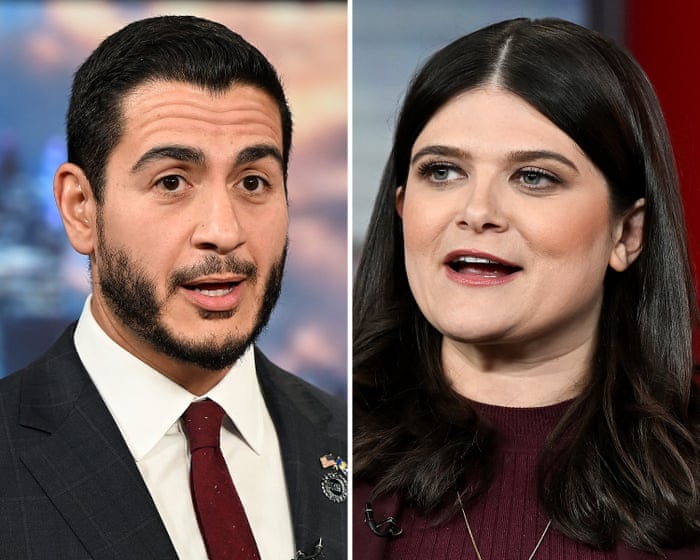
Abdul El-Sayed, the Democratic nominee in Michigan's US Senate race, has asked Democratic congresswoman Haley Stevens to stay away from his campaign events, according to the New York Times. The contest is one of the tightest in the party's effort to regain control of the Senate.
"I don't want any distractions," El-Sayed told reporters after a campaign rally. He said other people seemed more interested in making the race about things it is not about.
Background
El-Sayed represents the party's progressive wing, while Stevens is more moderate. He defeated her in a bitter primary in August. Stevens endorsed him soon afterwards and had planned to join him on Sunday at a church service in Detroit.
Until now, however, she had avoided appearing publicly with her former rival, whom she has criticized for weeks. Her fiance, Jason Turkish, has campaigned for Republican candidate Mike Rogers.
Two days before the planned joint appearance, Stevens demanded that El-Sayed denounce a political ad from an outside group that blamed higher prices on US support for Israel's war in Gaza.
El-Sayed's response
In a statement, El-Sayed replied that Stevens seemed intent on relitigating a primary that ended three months ago. He noted that the American Israel Public Affairs Committee spent heavily to defeat him in that contest. The statement urged everyone to focus on beating Rogers, holding Donald Trump accountable, getting money out of politics and passing Medicare for All, a universal health insurance proposal.
Concern among Democrats
The public feuding worries many Democrats, who regard the close race as a must-win for regaining the Senate. Michigan state senator Mallory McMorrow told CNN she had no idea what Stevens was doing. She stressed that voters are talking about the price of gas and groceries, not about ads.
