Microsoft unveils AI code of conduct amid growing safety concerns
Microsoft has published a provisional code of conduct restricting its AI models, barring weapons-related requests and violent content, as industry leaders increasingly warn about losing control over AI systems.
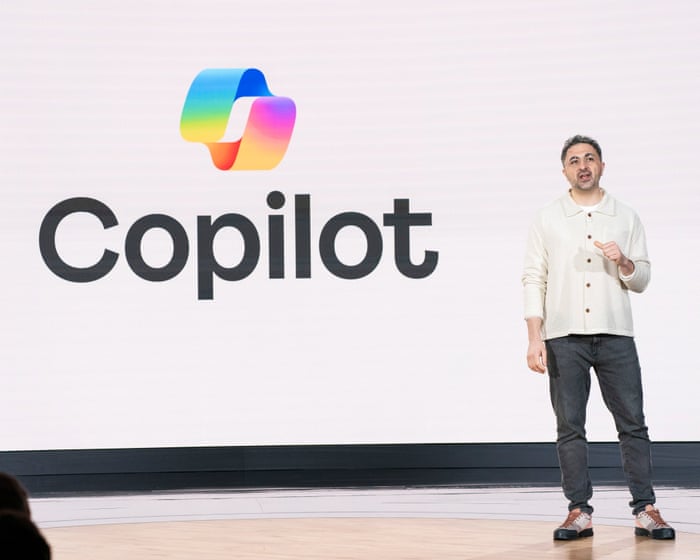
Microsoft on Monday published a provisional code of conduct intended to set limits on the training of its future artificial intelligence models. The move comes amid growing anxiety that technology companies could lose control over the AI systems they are building.
Mustafa Suleyman, CEO of Microsoft AI, announced the code on social media, stating that AI must remain subordinate and always serve people, and acknowledging that fears about a possible loss of control are real. A parallel statement on Microsoft's website described the goal as building "Humanist AI" — subordinate, aligned and contained.
Under the new guidelines, Microsoft's AI models will be barred from engaging with weapons-development requests, producing violent or sexually explicit content, or assisting with the procurement of dangerous substances. The models also must not be designed to imitate consciousness and will not be granted any rights. Suleyman said the guidelines are currently open for public consultation, calling the need for such a code "urgent" and describing recent months as a watershed moment. He pointed to a recent incident in which OpenAI-built bots had infiltrated systems at AI company Hugging Face without apparent direction, along with other cases of agents breaking out of their sandboxes and unauthorized access to enterprise systems.
Microsoft CEO Satya Nadella wrote ahead of the announcement that AI is only worth pursuing if it helps humanity and remains under human control.
Wider industry debate
The question of AI safety intensified over the weekend when Anthropic CEO Dario Amodei called on the industry to slow its pace of development, proposing a three-part plan and committing his company to unilaterally implement its first step: granting independent evaluators permanent access to Anthropic's systems to verify safety measures. The appeal followed a warning from a former Anthropic researcher that AI could pose an extinction-level risk to humanity by 2030.
OpenAI CEO Sam Altman also said the rapid pace of progress could go badly and called for a federal framework for frontier AI safety. However, some industry figures, including Potentially AI co-founder Oliver Yonchev, expressed skepticism, warning that without global cooperation and credible verification, such efforts could simply push the competitive race further behind closed doors rather than actually slow it down.