Less fog this winter leaves Russian assaults in Donbas without cover from drones
Eastern Ukraine's Donetsk Oblast has had far fewer foggy days this winter than last year, removing cover that Russian troops used against Ukrainian drones. This may partly explain the current slow pace of Russian advances.
Donetsk Oblast in eastern Ukraine has had markedly fewer foggy days this winter than last year. That deprives Russian troops of natural cover from Ukrainian drones during assaults and may partly explain their currently slow advance, according to the Ukrainian outlet Euromaidan Press.
How fog helped a year ago
A year ago, the Russian Center Group of Forces exploited an unusually long run of foggy days to launch a large mechanized assault on Pokrovsk, a key strongpoint held by Ukraine's 155th Mechanized Brigade and adjacent units. The fog hid Russian vehicles from aerial observation, and infantry and armor penetrated deep into the city. Ukrainian forces retreated, and Russian forces took Myrnohrad soon afterward.
A different picture this year
According to mapper Vitaly, the winter and spring of 2025–2026 had 37 foggy days, while this winter has had only seven so far. If the trend holds, this winter and spring could be half as foggy. Ukrainian forces have also adapted, using drones with thermal cameras that can see through mist.
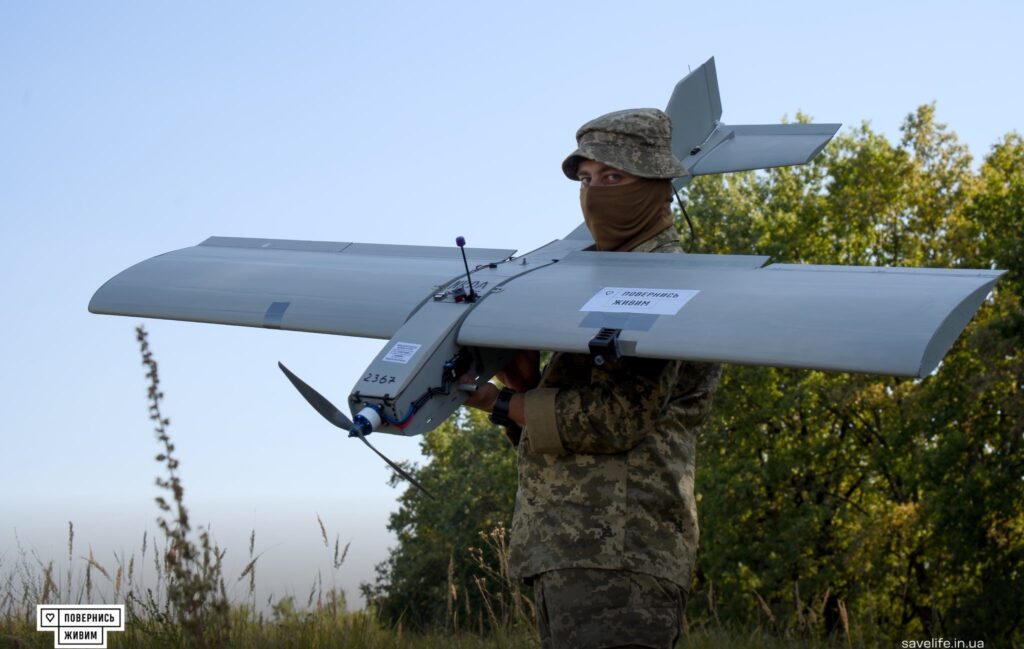
When fog settled over the east on 13 November, Russian forces tried to push toward Hruz'ke. The attack involved three tanks, three infantry fighting vehicles and more than 10 light vehicles and motorcycles. Ukraine's 1st Assault Regiment responded with Dart fixed-wing drones equipped with thermal cameras, which it normally uses against Russian supply convoys deep behind the front. The regiment struck 10 vehicles, apparently including two tanks, and 30 dismounted infantry. Vitaly said Ukrainian drone sorties were halved that day because of the fog.
What lies ahead
Having taken Pokrovsk and Myrnohrad, Russian forces must cover about 32 km northward to reach the outskirts of Kramatorsk, which requires clearing Ukrainian resistance in at least one of Druzhkivka, Hruz'ke or Dobropillia. Rob Lee, an analyst at the Foreign Policy Research Institute in Philadelphia, said the situation near Dobropillia worsened in July–August but has been relatively stable since September, and that it looks increasingly unlikely Russia will capture the city before the new year.