Michal: Herem asked to keep defence spending at 5% of GDP
Estonian PM Kristen Michal has denied claims that incoming defence minister Martin Herem will receive special powers, though critics question the transparency of their agreement.
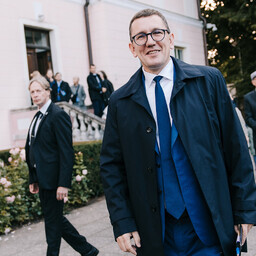
Estonian Prime Minister Kristen Michal of the Reform Party has rejected claims that Martin Herem, the former commander of the Estonian Defence Forces, will receive special or expanded powers as defence minister. Critics of the appointment, meanwhile, question the transparency of the arrangement between the prime minister and the candidate.
According to media reports, discussions around Herem's candidacy touched on the possibility of accelerating changes at the Ministry of Defence and giving the minister broader influence over personnel decisions. Former Estonian Defence League (Kaitseliit) commander Meelis Kiili said that strengthening the minister's role should not alter the overall system of responsibility for national defence, stressing that the prime minister remains responsible for defence, security and the economy as a whole.
Former Chief of Staff of the Defence Forces, retired Major General Neeme Väli, said the appointment process itself remains insufficiently transparent, noting that the public has learned details of the arrangement between Herem and Michal only through media reports.
Michal stated that no additional powers were promised to Herem, saying the defence minister will hold only the powers of a defence minister and nothing more. According to Michal, Herem asked for two main things: first, to keep defence spending at five percent of GDP, which the prime minister considers justified given the threat from Russia. Second, Herem sought political support for reforms at the Ministry of Defence, aimed at implementing changes needed to improve the ministry's efficiency, including in response to criticism from the State Audit Office.
Herem's candidacy has also raised questions over his current activities in the private sector and a possible conflict of interest, with opponents warning that accelerated defence reforms and procurement could carry additional risks. Michal said the candidate's economic interests would not affect his work in government, adding that compliance with conflict-of-interest rules would be monitored in accordance with the law.