Ministers urged to curb energy costs as Great British homes face 13% bill surge
Households in Great Britain face a 13% rise in the energy price cap from July 1, reaching £1,862 per year, while record energy debt of £4.8bn has been reported. The incoming prime minister, Andy Burnham, faces immediate pressure to tackle soaring bills as wholesale prices surge due to the Iran war disrupting Hormuz shipments.
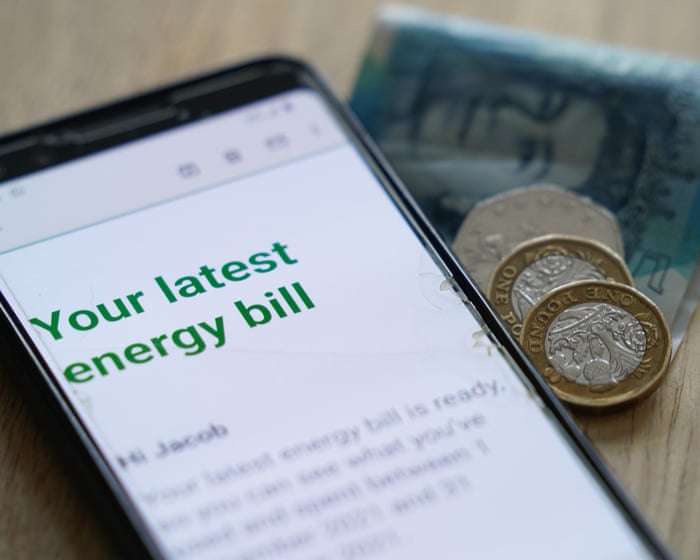
Ministers are under mounting pressure to lower energy costs as Great British households face the steepest summer bill hike in four years. Starting Wednesday, the quarterly cap on gas and electricity will rise by 13%, equivalent to an annual bill of £1,862 for an average household. This increase comes days after industry regulator Ofgem revealed that consumer energy debt hit a record high of almost £4.8bn, climbing £240m in the past three months.
Andy Burnham, who is set to become the next prime minister, will face immediate calls to address high energy bills upon taking office, with concerns about their impact this winter. Chancellor Rachel Reeves has previously ruled out offering universal energy support similar to Liz Truss's 2022 package.
James Mabey, a policy analyst at the fuel poverty charity National Energy Action, said: "The consequences of energy debt include cold homes, rising anxiety and impossible choices about essentials. The right response is to scale debt relief."
As households sink deeper into debt, wholesale energy prices have surged due to the war in Iran, which has disrupted oil and gas shipments via the Strait of Hormuz for the past four months. The quarterly price cap has delayed the full impact on household bills until now, but from July 1, the wholesale price surge will be passed on, remaining elevated until the next cap in October.
Nigel Pocklington, chief executive of supplier Good Energy, said: "Rising energy bills are becoming a financial nightmare for millions of households across the UK, with many people unsure how they’re going to keep up with current payments, let alone rising costs. We need to urgently reform the way the market operates to deliver and incentivise a cleaner, more affordable energy system."
Good Energy has proposed a plan that, combined with recent government measures to cut bills by £150 a year, could save households £270 annually – close to Labour's manifesto pledge of £300 by 2030. The company calls for shifting policy costs from energy bills to general taxation and increasing the warm home discount by £300 to £450 for 6 million vulnerable households, costing the Treasury £10.1bn but saving typical bill payers £76 a year and vulnerable households £376 a year.
The company also backs plans to break the link between expensive gas power and electricity market prices by moving gas plants into a strategic reserve, paying them a fixed rate to operate only as a last resort. This could save up to £60 a year per household within two years, according to separate analysis by Greenpeace and Stonehaven consultants.
A government spokesperson said: "We have taken £150 of costs off energy bills for the years ahead and extended the warm home discount to around 6 million households. We are going further and faster to move on to homegrown energy we control, including taking decisive action to break the influence of gas on electricity prices, to better protect households from energy crises."