Ministry: local grain deliveries not being refused at Latvian ports
Latvia's Transport Ministry says it has no reports of ports refusing local farmers' grain, while the government has ordered ports and the railway to prioritize domestic agricultural cargo and may soon let food inspectors test transit grain origin.
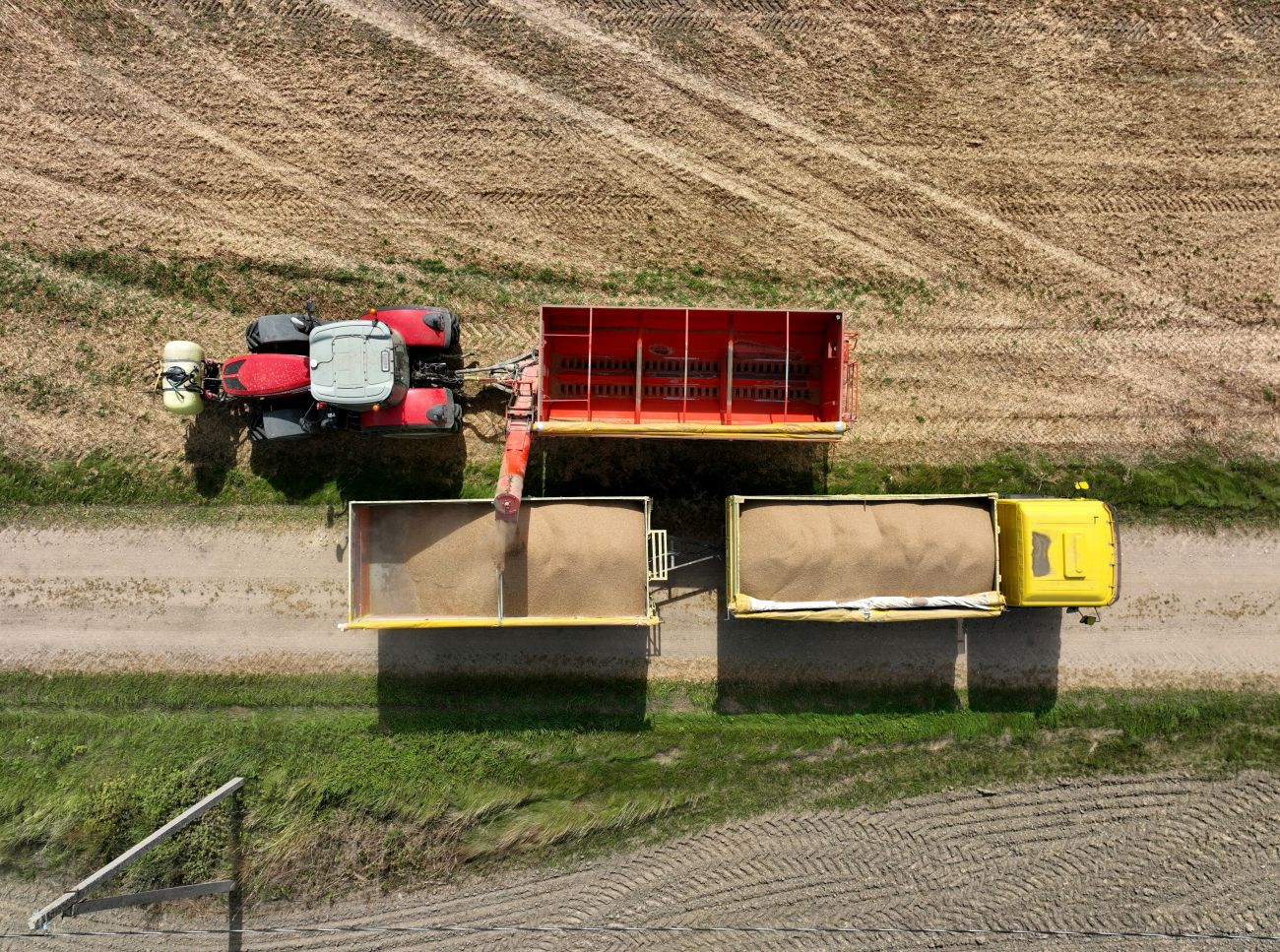
Latvia's Ministry of Transport told BNN it has received no information about Latvian ports refusing to accept grain grown by local farmers. According to the ministry, shipping companies strictly comply with imposed sanctions, and responsible institutions maintain strict control and oversight across the entire logistics chain. The ministry also stressed that ports' transshipment and storage capacities are sufficient to handle all locally submitted grain cargo.
This was stated in an informational report on solutions for the grain transit sector, reviewed by the government at an emergency meeting on Friday, September 4. During the meeting, the government decided that ports and the state railway company Latvijas dzelzceļš must ensure priority access specifically for shipments of Latvian farmers' produce.
Possible origin checks for transit cargo
The government also decided to grant the Food and Veterinary Service (PVD) the authority to inspect transit grain cargo at Latvian ports, including checking its origin. The Transport Ministry noted this issue falls outside its area of responsibility.
PVD Director General Māris Balodis explained in an interview with Latvian Radio that the service currently does not control transit cargo. If the government amends Cabinet of Ministers regulations on border control, PVD would gain the right to both check cargo documentation and take grain samples to determine possible geographic origin. Such analysis would require involving several foreign laboratories and would not be cheap.
Balodis added that the inspection would be a paid service, billed to the cargo sender — the analysis could take about a month, and testing a single shipment could cost roughly 900,000 euros. PVD would only take a sample after receiving advance payment; if a sender refuses to pay, that cargo would not be allowed to cross the Latvian border. The government plans to make a final decision on granting PVD these powers in mid-September.