Ratko Mladic, mastermind of Srebrenica genocide, dies at 84
Former Bosnian Serb military commander Ratko Mladic, convicted of genocide in Srebrenica and other war crimes, has died at 84 in a prison hospital in The Hague. He denied guilt until the end.
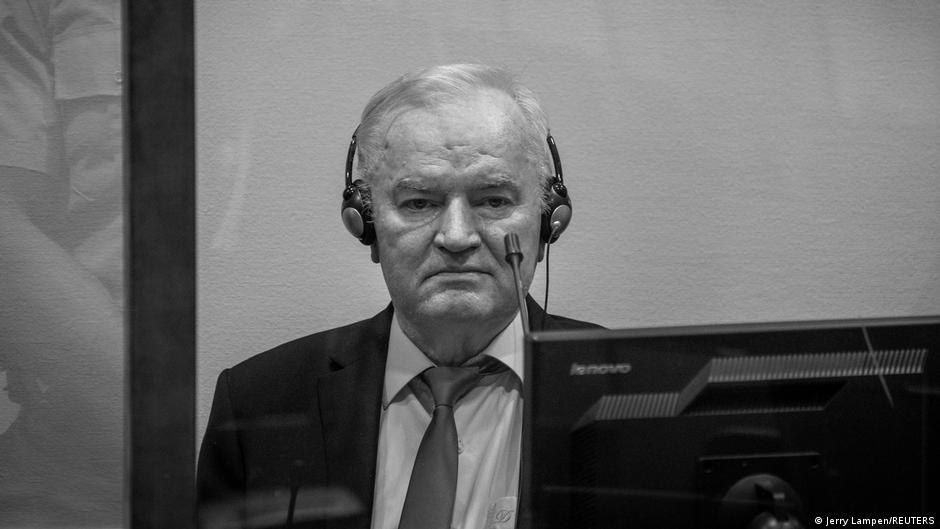
Ratko Mladic, the former commander-in-chief of the Bosnian Serb army, died on August 27, 2026, at a prison hospital in The Hague at the age of 84, after suffering several strokes during his imprisonment.
Mladic was the figure most closely associated with the July 1995 genocide in Srebrenica, at the time the largest massacre in Europe since World War II. Although the United Nations had declared Srebrenica a "safe area," Bosnian Serb forces overran the town, expelled women and children, and killed more than 8,300 unarmed Muslim men and boys near the village of Potocari. The International Criminal Tribunal for the former Yugoslavia (ICTY) ruled in 2017 that the killings were carried out on Mladic's direct orders and classified them as genocide.
Also responsible for the siege of Sarajevo
Mladic was also held responsible for the years-long siege of Sarajevo, during which the city was shelled for more than 40 months, killing around 11,000 people, including more than 1,600 children. He always insisted he had targeted only military objectives, but reports and intercepted communications pointed to deliberate attacks on civilian areas.
About 100,000 people were killed overall during the four-year Bosnian War, and 2.2 million were displaced — half the country's population at the time.
From communist to nationalist
Born in eastern Bosnia in 1943, Mladic lost his father, a Partisan fighter, when he was two years old. He built a military career in the Yugoslav army and, after the Croatian War broke out in 1991, helped organize Serb militias in Croatia before becoming commander-in-chief of Bosnian Serb forces in 1992.
Indicted by the ICTY before the war's end in 1995, he evaded capture for 16 years with support from networks in Serbia's military and political establishment. Arrested in 2011, he faced a trial lasting 523 days with nearly 600 witnesses. He was sentenced to life in prison in 2017, a verdict upheld on appeal in 2021.
The ruling was hailed internationally as historic, while Mladic denied all responsibility to the end, calling the tribunal "satanic." Many supporters in Serbia and among Bosnian Serbs still regard him as a hero.