Musician Max Korzh asks fans how the war in Ukraine has affected their lives
Musician Max Korzh asked his Telegram followers to record voice messages about life in the shadow of war. Within five days, more than 1,600 recordings arrived from people in both Ukraine and Russia.
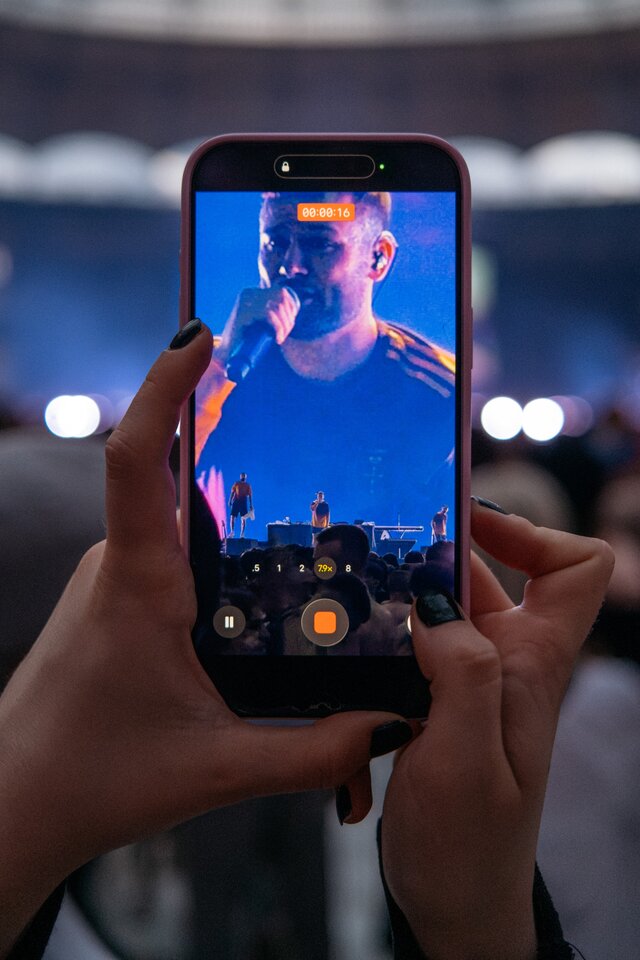
On November 12, musician Max Korzh asked followers of his Telegram channel, which has 246,000 subscribers, to record a voice message about daily life if they are being shelled or live near the fighting. The appeal concerns Russia's war against Ukraine, and the replies offer a picture of how it affects ordinary people on both sides. Korzh asked for audio rather than text because, in a world of bots, written comments no longer feel like they come from real people. He also asked authors not to give precise times or locations of strikes, for their own safety.
In the five days since, more than 1,600 comments have appeared under the post, and more keep arriving. Each is a voice message from a fan. Many speakers sound young, and some sound like small children. They say they have grown used to shelling, some repeat the slogan "Stop the war!" that Korzh chants at concerts, some cry, and others urge people to hold on. Many say they hope for peace. Meduza, an independent news outlet, listened to many of the messages and published a selection, lightly edited for length.
What the authors say
A resident of Odesa describes shelling, missiles and Shahed drones, generators running everywhere and people without electricity or heating. A woman from the Kyiv region says she has had no power for two days and that a friend died ten days ago when a Shahed hit her home. A young man in Odesa says his father, a serviceman, was killed and buried the day before, and his mother is terminally ill.
Voices also come from Russia and occupied territories. A man in Bryansk speaks of drones flying overhead, while another person in Luhansk describes power cuts and barely working mobile internet. A Crimea resident cites shortages of water, electricity and internet. Some messages come from people who left Ukraine or say they served as soldiers, and end with calls to stop the war. One person in Kazakhstan says it is calm there, but that he is against the war.
Meduza notes that the material contains explicit language.