Oil prices rise on renewed US-Iran tensions as Fed's Warsh signals possible rate hike
Asian stocks fell on Monday after Federal Reserve official Kevin Warsh signalled openness to raising interest rates, while oil prices jumped following a fresh flare-up between the US and Iran.
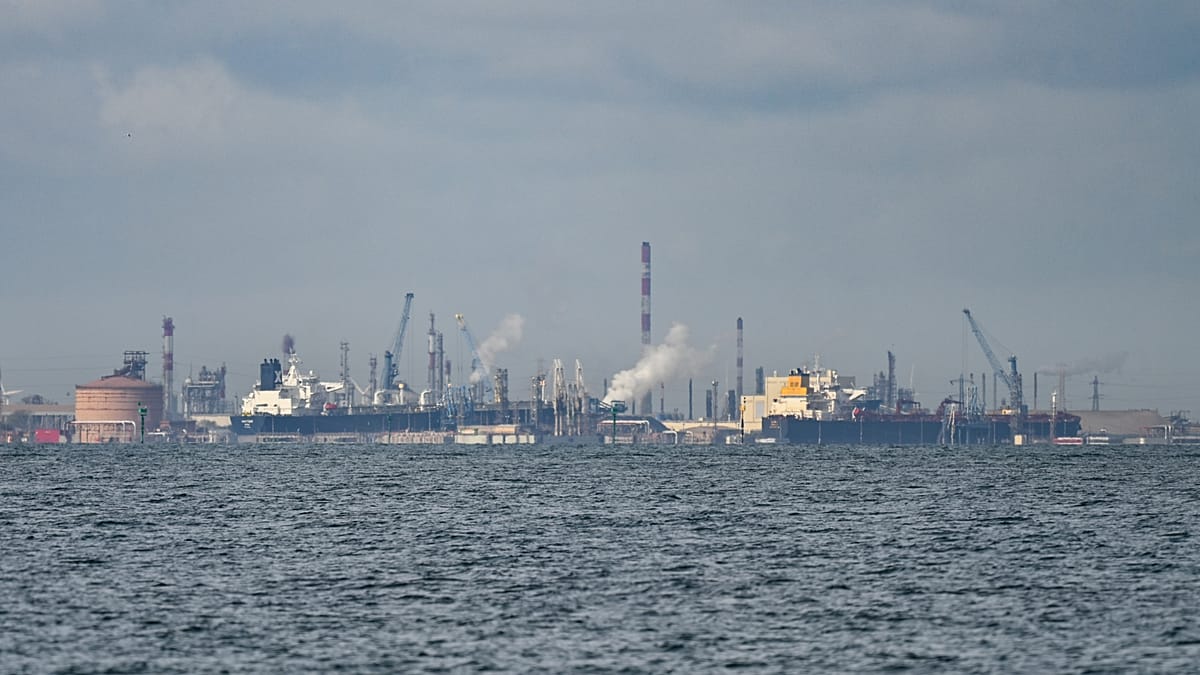
Asian markets slipped on Monday as hawkish remarks from Federal Reserve official Kevin Warsh strengthened investor expectations of a US interest rate increase, while crude oil prices surged after a new escalation in tensions between the United States and Iran.
US inflation remains elevated at 3.7%, nearly double the Fed's 2% target, driven largely by high energy costs. Speaking at the Jackson Hole symposium in Wyoming, Warsh described the inflation uptick as "concerning" and said he would be reluctant to call current financial conditions "restrictive" — a signal often read as hinting at future rate hikes. He stopped short of committing to any specific move, saying he was focused on discipline rather than a predetermined decision.
Following his remarks, yields on short-term US Treasury bonds climbed, the dollar strengthened against other currencies, and gold prices fell, since gold typically benefits from lower rates. Wall Street's three main indexes had already closed lower on Friday, and Asian markets followed suit on Monday, with Tokyo, Seoul, Hong Kong, Shanghai, Taipei and Jakarta all declining, while Singapore and Wellington posted modest gains. Technology firms, heavily reliant on borrowing to finance artificial intelligence investment, were among the hardest hit.
Attention now turns to key economic data due over the next two weeks ahead of the Fed's decision, including jobs figures this week and the consumer price index next week, both seen as pivotal in shaping market expectations.
Oil markets react to Iran conflict
After mostly declining last week, oil prices jumped by more than 2% for both major crude benchmarks on Monday. The move followed a US strike on Iranian rocket launchers on a small island in the Strait of Hormuz — its first such action in a month — to which Iran responded by striking US military targets in Jordan.
The exchange came just as the US-Iran conflict passed the six-month mark and as hostilities had appeared to be easing. Peace efforts have so far made little progress, and the Strait of Hormuz, through which about a fifth of global crude and gas supplies pass, remains largely closed. US officials this month vowed to pursue the economic isolation of Iran in order to force the waterway open.
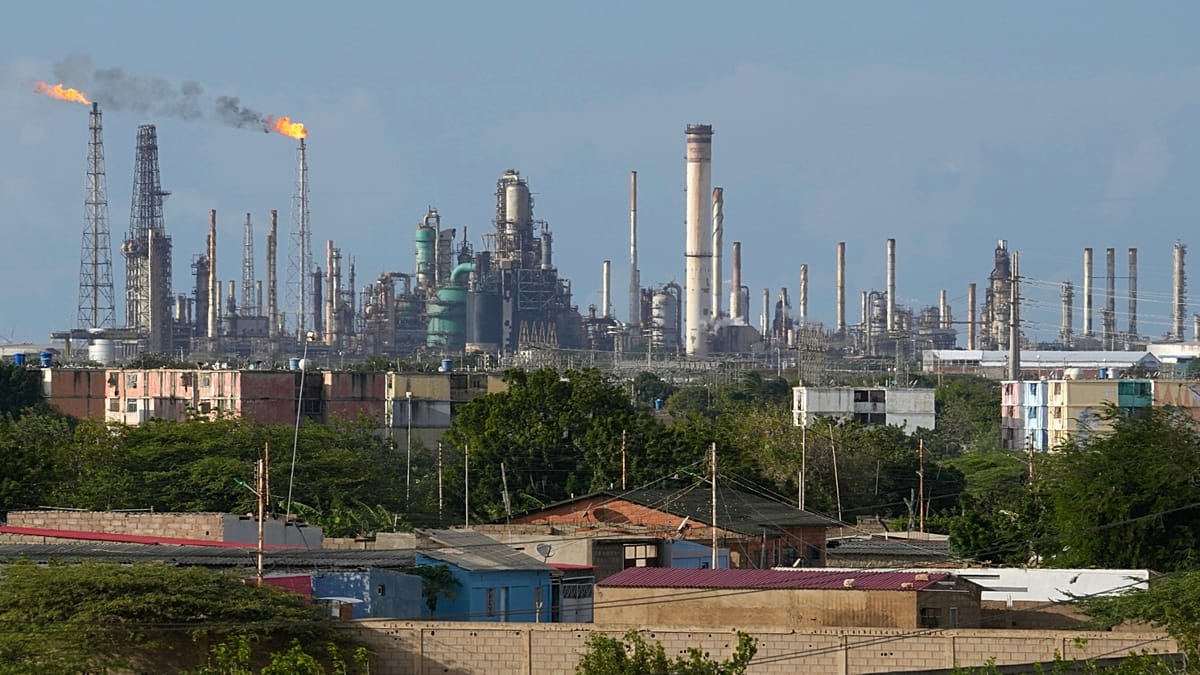
/nginx/o/2026/08/30/17886099t1he3c6.jpg)
