Oil Prices Rise 3% After 8 Days of US-Iran Strikes
Oil prices jumped about 3% on Sunday following a week-long exchange of retaliatory strikes between the United States and Iran, which disrupted shipping through the Strait of Hormuz—a critical oil transit chokepoint.
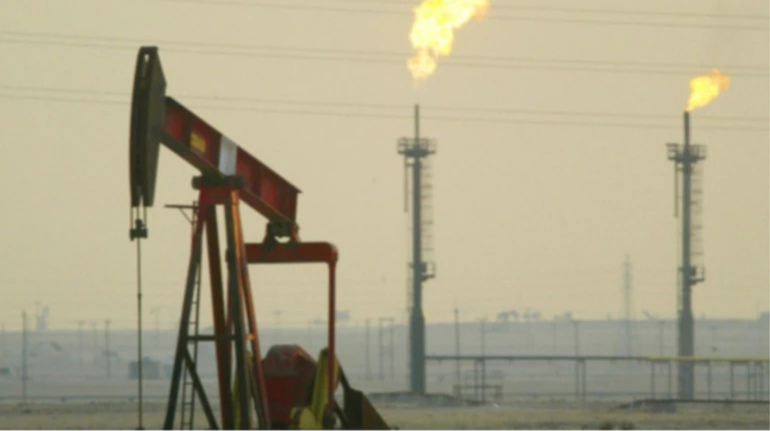
Price surge after week-long strikes
On Sunday, global oil markets saw a notable price increase. Brent crude, the international benchmark, rose 3% to approximately $90.78 per barrel, while US crude climbed nearly 3% to $84.85 per barrel. This surge is a direct result of eight consecutive days of mutual strikes between the US and Iran.
Strait of Hormuz at risk
Shipping traffic through the Strait of Hormuz, which carries about 20% of the world's oil supplies, has declined following last week's escalation. On Wednesday, the US reimposed a naval blockade on Iranian ports. Some vessels are now using alternative routes, including along Oman's coast, a move Tehran disapproves of.
Gasoline prices and market reaction
Gasoline prices are also rising, but according to AAA, the US national average remains just below $4 per gallon—at $3.992. That is about 34% higher than before the war began. Meanwhile, Dow Jones, S&P 500, and Nasdaq futures all dipped approximately 0.2%.
Previous day's drop
On Thursday, oil prices fell due to profit-taking, yet they stayed near monthly highs amid fresh US strikes on Iran and the risk of disruptions in the Strait of Hormuz.
Strikes continue
On Sunday morning, US Central Command (CENTCOM), under orders from the commander-in-chief, completed another round of strikes against Iran. This marked the eighth consecutive night of airstrikes on Iranian territory, conducted in response to attacks on US service members in Jordan.

