Drug use raises alarm as Lithuania ranks among Europe's worst-affected countries
The European Union Drugs Agency's annual report highlights rising synthetic drug supply. Lithuania, Latvia, and Estonia show high rates of injecting drug use and the presence of potent synthetic opioids like nitazenes and carfentanil.
The spread of illicit drugs across Europe is causing growing concern, according to the European Union Drugs Agency's annual report published in late June, which warns that the supply of synthetic drugs is increasing rapidly. Lithuania is identified as one of the countries with particularly high levels of drug use.
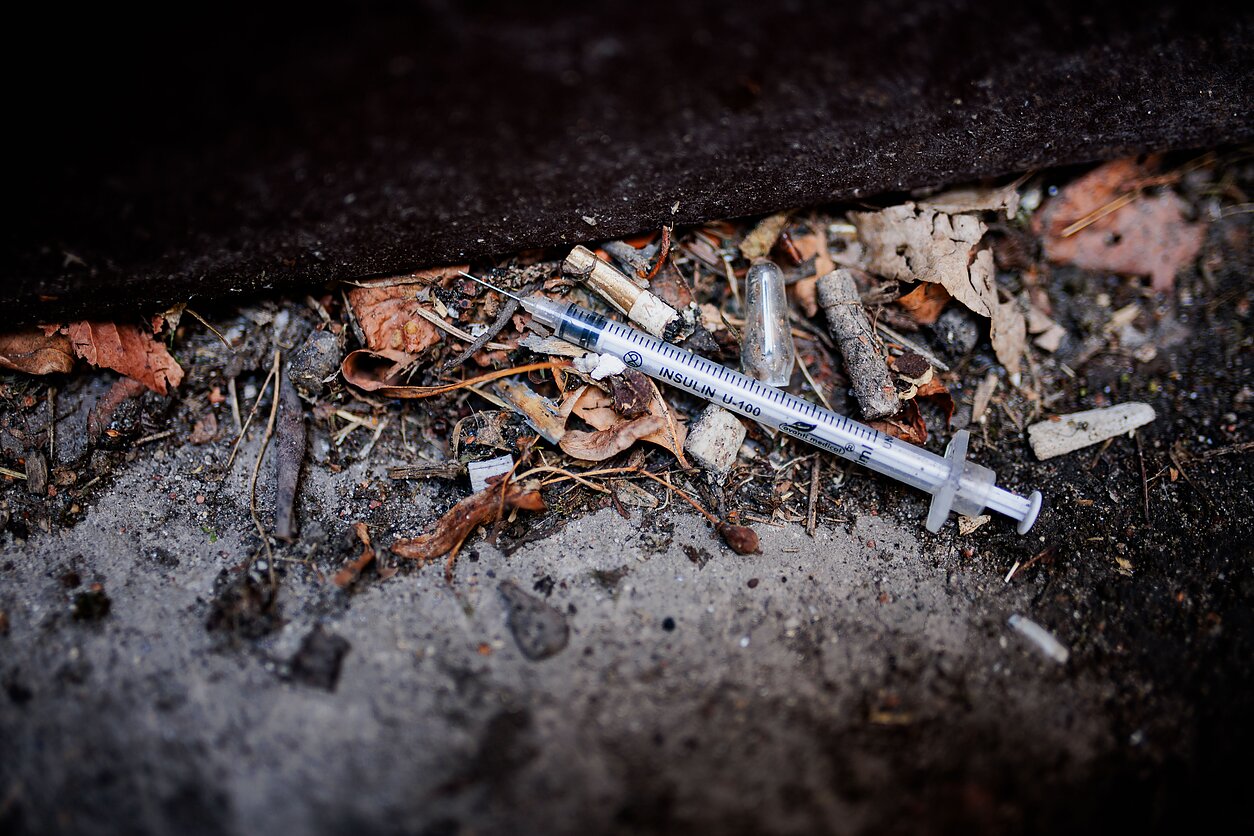
An analysis of syringe residues carried out in 2024 found that new synthetic opioids – nitazenes – are widespread in the Baltic states. These highly potent opioids have become established in the drug markets of several cities in Estonia and Latvia and are also being used in Lithuanian cities.
The estimated rate of injecting drug use ranges from 0.1 cases per 1,000 inhabitants in the Netherlands to 10 cases per 1,000 inhabitants in Estonia. Particularly high rates were also recorded in Finland (8.2 per 1,000), Latvia (6.1 per 1,000), the Czech Republic (6.1 per 1,000) and Lithuania (4.6 per 1,000).
Carfentanil, a fentanyl derivative, was most commonly detected in syringes in Lithuania and Latvia. It was found in 93% of samples in Vilnius, 66% in Klaipėda and 16% in Riga. The report states that 7,600 drug-related deaths were recorded across the European Union in 2024.