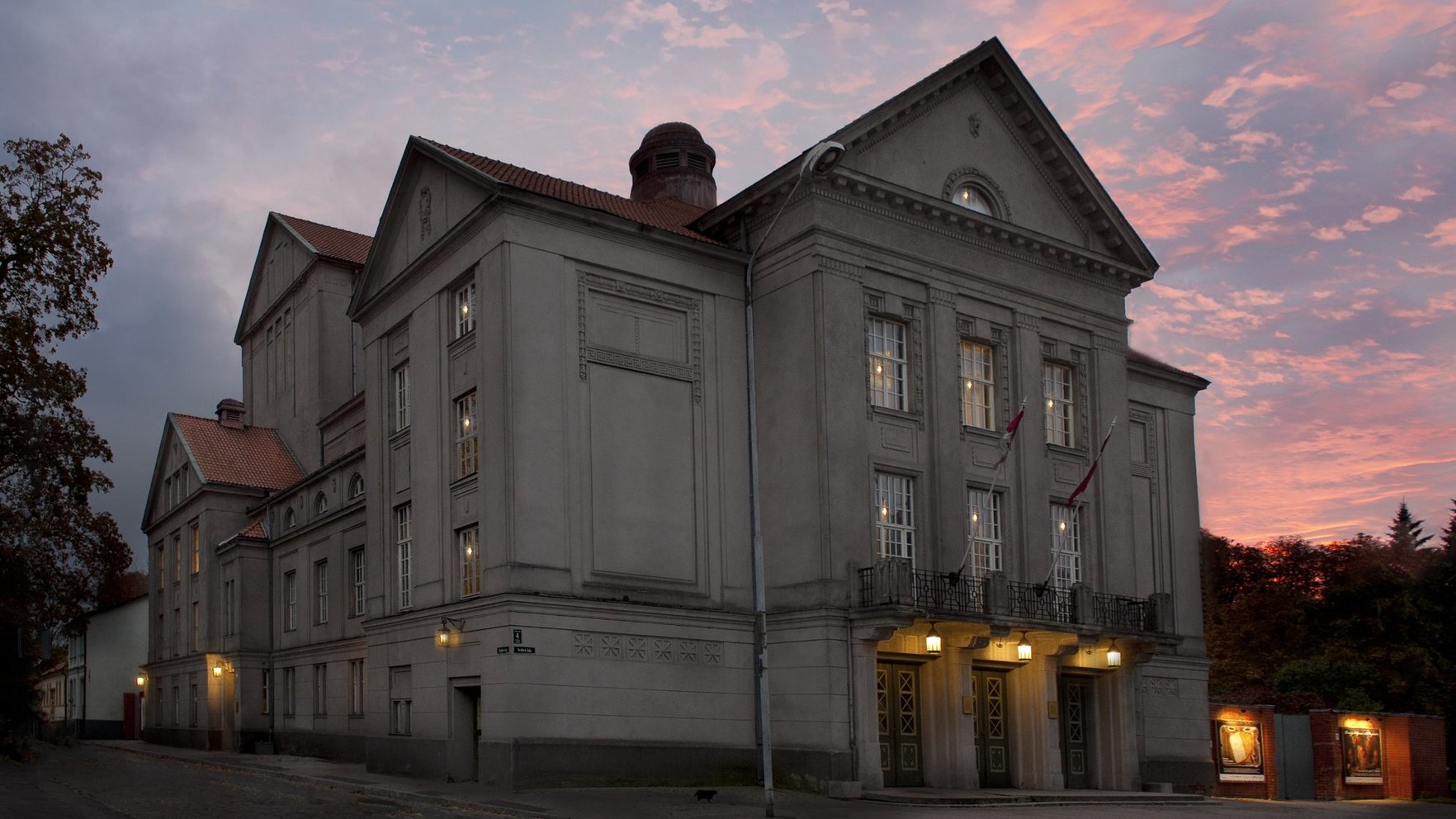
Life on Europe's edge: what role does culture play in Estonia's Narva?
In Narva, an Estonian city separated from Russia by a narrow river, culture has become a way for the city to present itself to the world. Since 2018 it has hosted the multilingual annual festival 'Station Narva'.

In northeastern Estonia, at the point where the territory of the European Union ends, lies Narva — a city separated from the Russian city of Ivangorod by a river only 150 to 200 metres wide. This proximity to the border, combined with the current geopolitical situation in the region, means Narva is not the first destination that comes to mind for many travelers planning a trip.
Yet the city has a long and layered history, with traces of different eras still visible today, shaping an urban landscape that reflects Narva's position on the border between East and West.
Culture as a bridge
One of the ways Narva has sought in recent years to reshape its image and attract visitors is through cultural life. Since September 2018, the city has hosted the annual "Station Narva" festival, which brings together music, art and various urban activities. The event draws a multilingual audience, reflecting the diversity of the city's own residents and its location at a crossroads of cultures.
The festival serves as a platform where different art forms and visitors from various linguistic and cultural backgrounds meet, allowing Narva to present itself as a place where the border is not only a dividing line but also a point of contact.