Narva: The Estonian border city where culture bridges languages and eras
In Narva, an Estonian border city separated from Russia by a narrow river, culture has become a meaningful part of local life and identity. Since 2018, the city has hosted the multilingual 'Station Narva' festival every year.

Narva sits in northeastern Estonia, separated from the Russian city of Ivangorod by a river just 150 to 200 metres wide. Notably, this is where the European Union's territory ends — Narva lies directly on the external border.
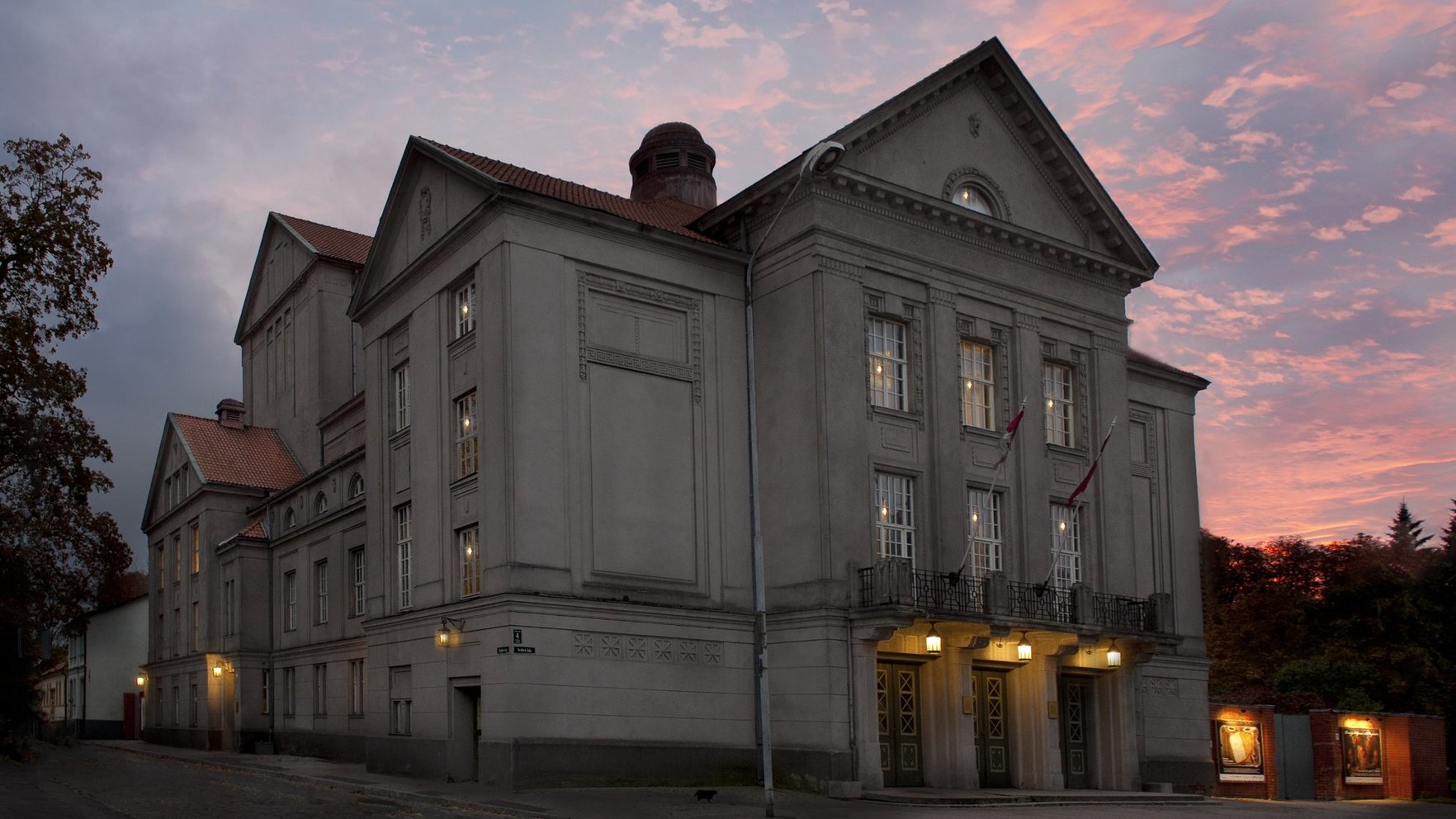
Given the current geopolitical situation, Narva is unlikely to be the first place that comes to mind for a tourist trip. Yet the city carries a long and layered history, with traces of different eras visible throughout its urban landscape, reflecting both Estonian and Russian cultural influences.
Culture as a bridge
Since September 2018, Narva has hosted an annual festival called "Station Narva," combining music, art and various urban activities. The event draws a multilingual audience that mirrors the city's own population, which historically includes both Estonian- and Russian-speaking communities.
The festival illustrates how cultural events can become a meaningful part of daily life in a border region shaped by ongoing geopolitical tension. Narva's example shows how local cultural life continues to develop and bring people together even in a place situated right at the edge of the European Union's external border.