Four Crew Members Spend 378 Days in Sealed Habitat in NASA Mars Simulation
NASA's CHAPEA mission, a 378-day Mars simulation in Houston, has ended after four crew members lived in a sealed 3D-printed habitat. The data gathered is meant to help prepare future crewed missions to Mars.
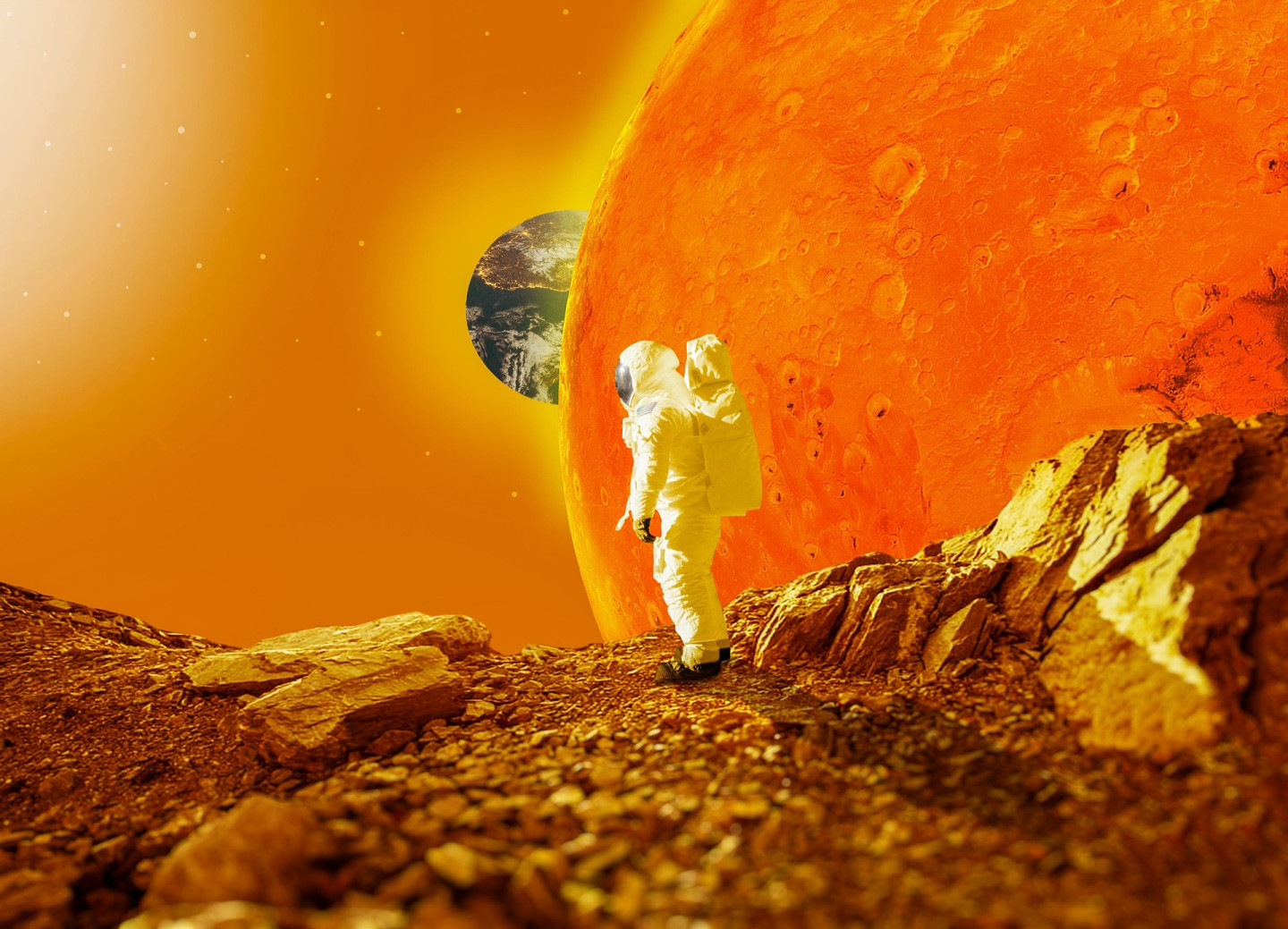
A 378-day Mars living-conditions simulation, NASA's CHAPEA (Crew Health and Performance Exploration Analog) mission, has concluded in Houston, USA. Four crew members spent the entire period in a sealed, 3D-printed habitat designed to imitate a future Mars base. The experiment is part of preparations for long crewed flights to Mars, which could last several years.
The mission began on 19 October 2025 and ended on 31 October 2026. The crew commander was Ross Elder, a former Air Force test pilot. Elena Elis served as medical officer and is a US Space Force officer. The team also included James Spicer and Matthew Montgomery.
Daily life in the habitat
The habitat covered roughly 160 square metres. The crew carried out scientific experiments, grew tomatoes, peppers and greens, tested water recycling systems, and underwent physical and cognitive assessments. In a specially built sand area, participants "walked on Mars".
Communication with "Earth" was delayed by up to 23 minutes in each direction, matching what a real Mars flight would involve. Speaking to TIME magazine, crew members described the challenges of confined space, conserving water, simulated equipment failures and the need to communicate clearly and concisely.
What comes next
Project scientist Sara Whiting said the data on participants' physical and mental performance, as well as biological indicators, is important for future crewed missions to Mars. All four crew members are now candidates for NASA's astronaut selection.