NASA Asks Commercial Firms for Ideas to Save the Hubble Space Telescope
NASA has asked commercial companies for proposals to reboost, service or safely deorbit the Hubble Space Telescope. Without intervention, the observatory is expected to reenter the atmosphere in 2033 or 2034.
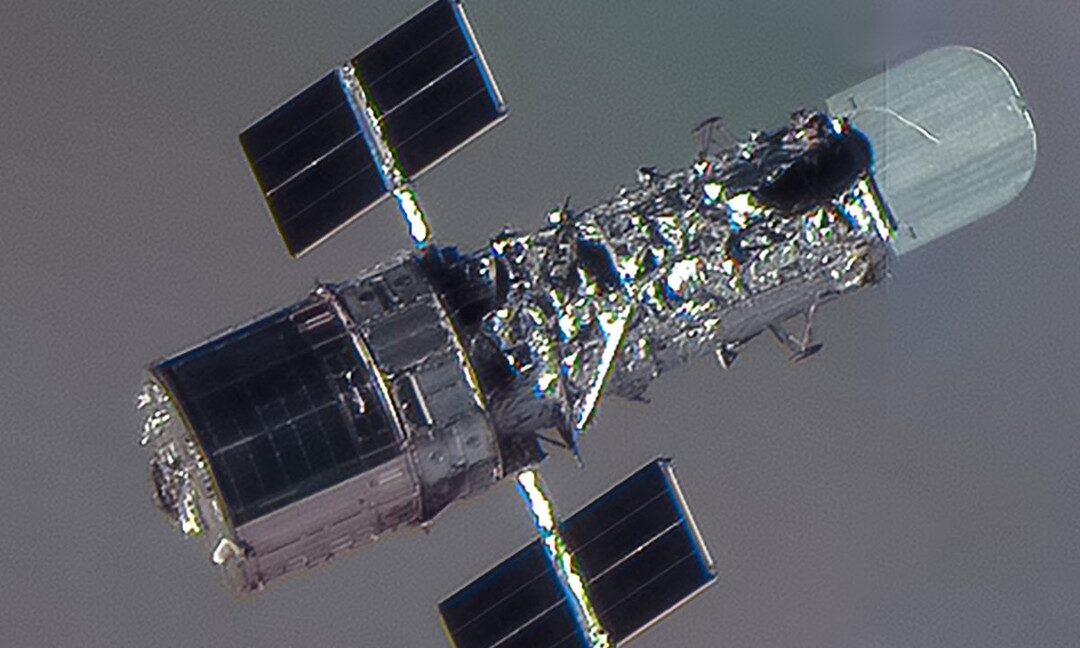
The U.S. space agency NASA on Thursday issued a Request for Information (RFI) to commercial companies about ways to rescue the Hubble Space Telescope, which has been operating in Earth orbit for 36 years. The agency wants to know how the telescope could be lifted to a higher orbit, serviced, or guided to a controlled reentry. Responses are due November 30.
Why the telescope is losing altitude
Hubble has no onboard propulsion, so it slowly sinks lower. NASA last raised its orbit in 2002, when the Space Shuttle Columbia visited it. The final shuttle servicing mission in 2009 did not reboost the telescope, and the shuttle fleet was retired two years later. Since 2002, Hubble has descended from 362 miles (583 km) to roughly 292 miles (470 km), a decline that took 24 years.
Orbital dynamicists predict that, without intervention, Hubble will reenter in 2033 or 2034, although forecasts can shift with solar activity.
What NASA is asking for
The agency is seeking information on companies' current and near-term capabilities to capture Hubble and boost it to at least 373 miles (600 km), to enhance its performance, or to guide it to a controlled reentry. The requirement states that the mission must not harm the telescope and is expected to take place by 2032. The contractor would provide the launch vehicle, servicing spacecraft, mission operations and crew, if applicable.
NASA is not committing to purchase a rescue mission. It wants to learn who might be interested, how much it would cost, and which companies have a realistic chance of reaching Hubble before it falls and burns up. A boost to 600 km would likely keep the telescope in orbit for at least 25 more years.