NASA weighs turning a Mars rover test model into a moon rover
NASA is considering sending a rover called PROMISE, built from Earth-based test models of the Perseverance and Curiosity Mars rovers, to the moon's south pole. The project remains conceptual and could cost up to $1.3 billion.
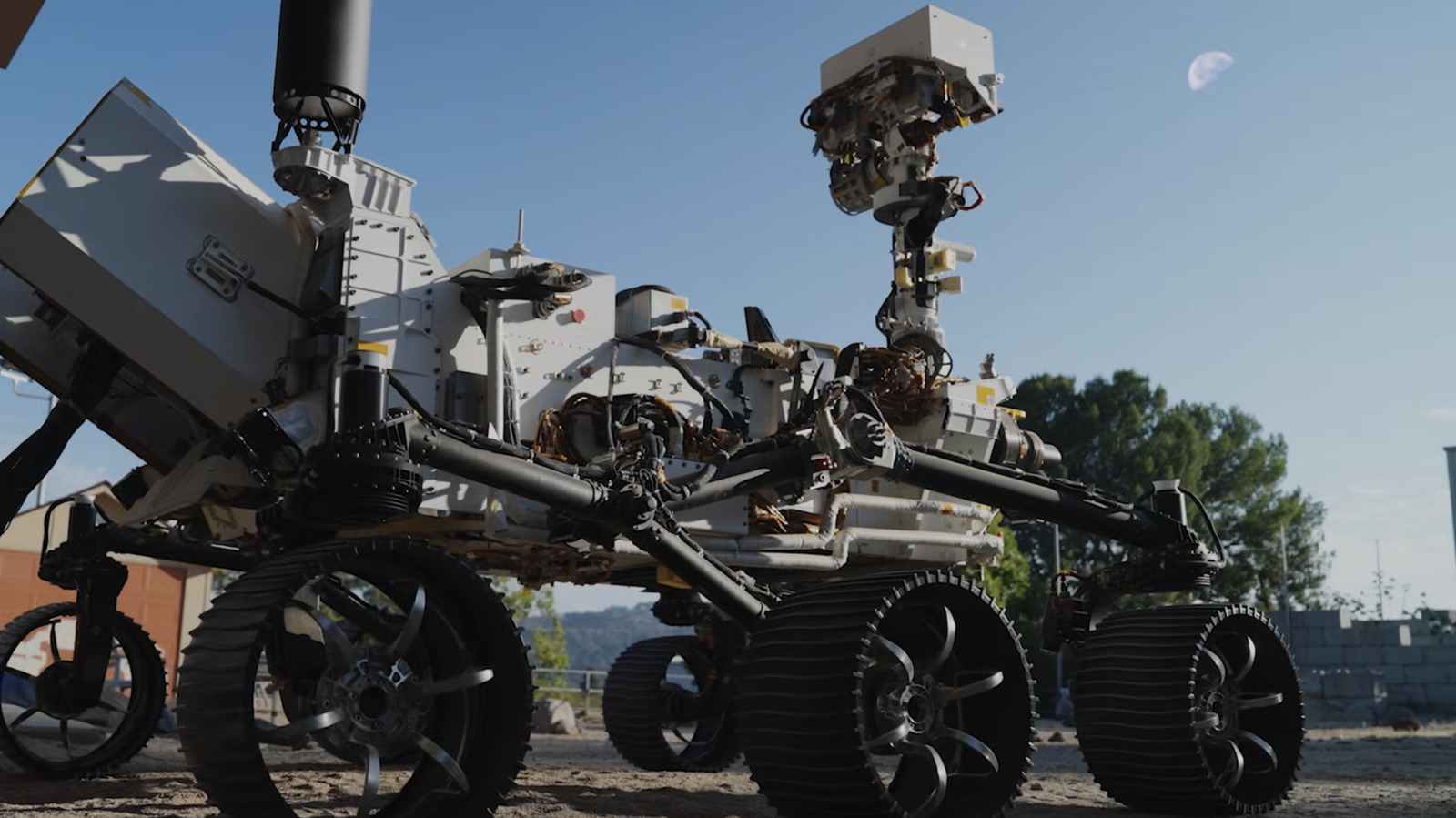
In late June, NASA announced a proposal to send a rover called PROMISE — short for Polar Rover for Observation, Mapping and In-Situ Exploration — to the lunar surface. The vehicle would be built from a full-scale engineering test model originally used on Earth to trial updates before they were sent to the Perseverance rover on Mars. That test model was previously known as OPTIMISM.
NASA has described the new vehicle as a hybrid of the engineering test versions of both the Perseverance and Curiosity rovers, meaning it could carry design traits from each.
Mission goals
PROMISE would be tasked with scouting the moon's south pole, a region considered a strong candidate for future lunar bases because of its abundant water ice, and with studying the lunar surface and subsurface. It would carry a multi-mission radioisotope thermoelectric generator, which converts heat from decaying plutonium into electricity. That power source would let PROMISE operate without sunlight, travel to any part of the moon regardless of illumination, and survive the lunar night without needing to worry about solar power loss.
NASA administrator Jared Isaacman said the idea grew out of years of experience operating the two Mars rovers and a desire to make use of hardware already funded by taxpayers.
Still a concept
The project is only in its early stages. The test vehicle currently lacks onboard temperature-control sensors, flight-ready scientific instruments, a communications system and a generator. Its parts also aren't rated to withstand the sharp, abrasive lunar dust, meaning extensive upgrades are needed before any mission. The Planetary Society estimates the project could cost NASA between $700 million and $1.3 billion, with a possible launch not expected before the early 2030s.