NATO General: Baltic Security Has Improved Significantly, but Alliance Is Undergoing a Military Revolution
John Mead, deputy commander of NATO's Allied Joint Force Command Brunssum, told LETA that Baltic security has strengthened thanks to a clear strategy and plans, while the alliance continues adapting to rapidly evolving military threats.
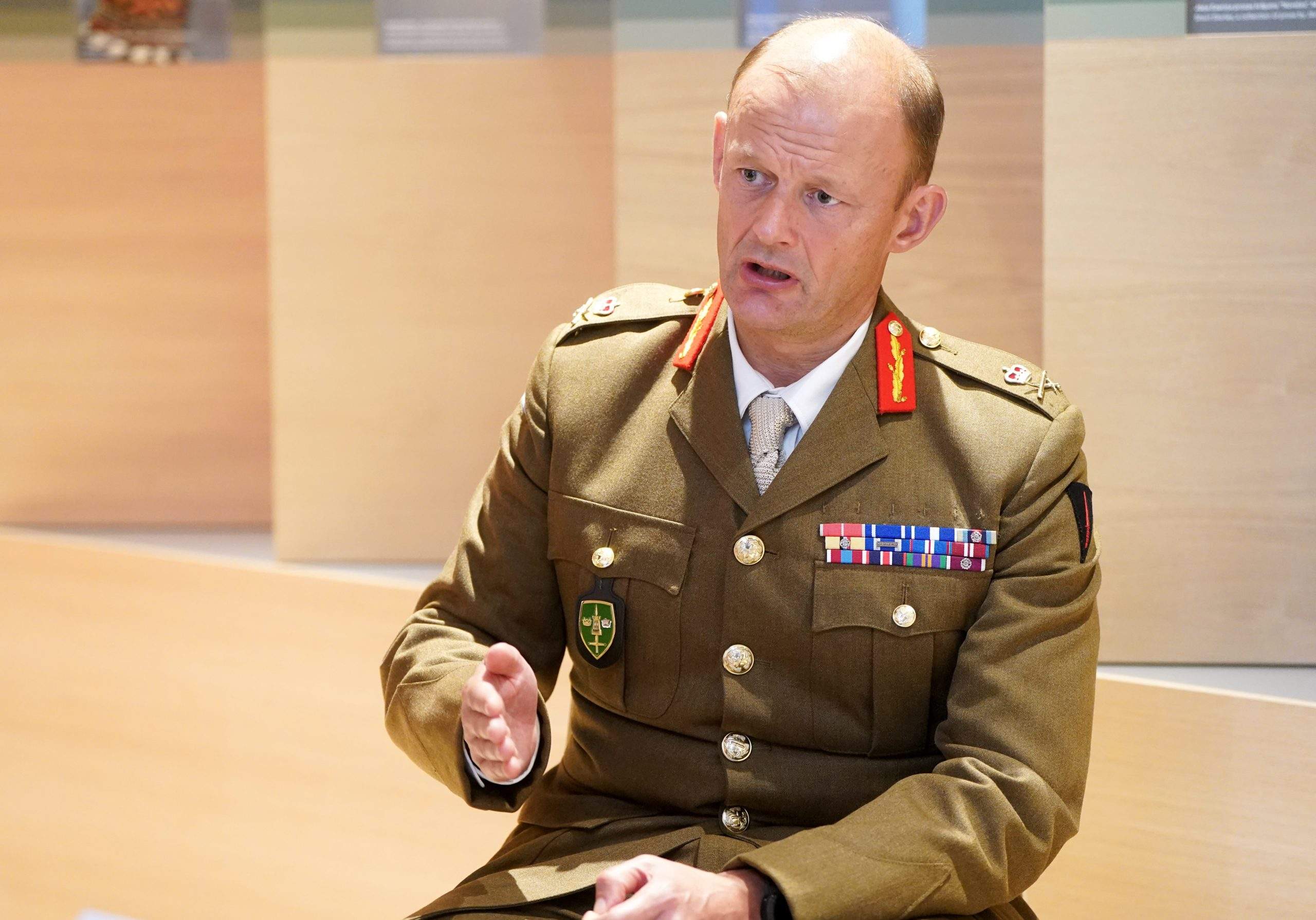
Lieutenant General John Mead, deputy commander of NATO's Allied Joint Force Command Brunssum, told the LETA news agency that the military security of the Baltic states has improved considerably in recent times. He credited this mainly to the development of the Deterrence and Defence of the Euro-Atlantic Area (DDA) concept, which provides a clear strategy and action plans. Mead noted that new and revised regional plans are now aligned with national-level planning, which he considers one of DDA's greatest achievements.
Operations at Sea and in the Air
Mead pointed to the "Baltic Sentry" operation, launched in response to new threats, noting that no undersea cable-cutting incidents have occurred since it began. Another key initiative is the "Eastern Sentry" air defence operation, under which capability gaps are being closed through continuous training and integration.
Military Revolution and Challenges
The general acknowledged that the alliance is currently undergoing a revolution in armed forces and must become faster. He cited the lack of geographic depth as one of Latvia's strategic challenges, offset by joint efforts between NATO and the Baltic states. Mead also praised progress in logistics and plan coordination among the Baltic states, adding that upcoming exercises in the coming weeks will test communication with national operational centres.
He highly valued the level of innovation in the Baltic states in science, technology and the defence industry. According to Mead, deploying more foreign troops in the Baltics is not currently necessary — regular manoeuvres matter more, including next year's planned "Steadfast Defender" exercise. He cited the first joint German-Dutch operation in Latvia and Estonia as a positive example. He named identifying attackers and the impact of drone warfare as key challenges, stressing the importance of unity among alliance member states.