NATO Drafts “Theory of Victory” Strategy for a Possible Russian Attack
NATO is preparing a new military strategy setting out how the alliance would respond if Russia attacked its eastern flank. It relies heavily on cheap drones and artificial intelligence, and is due to be presented publicly in Warsaw on 12 October.
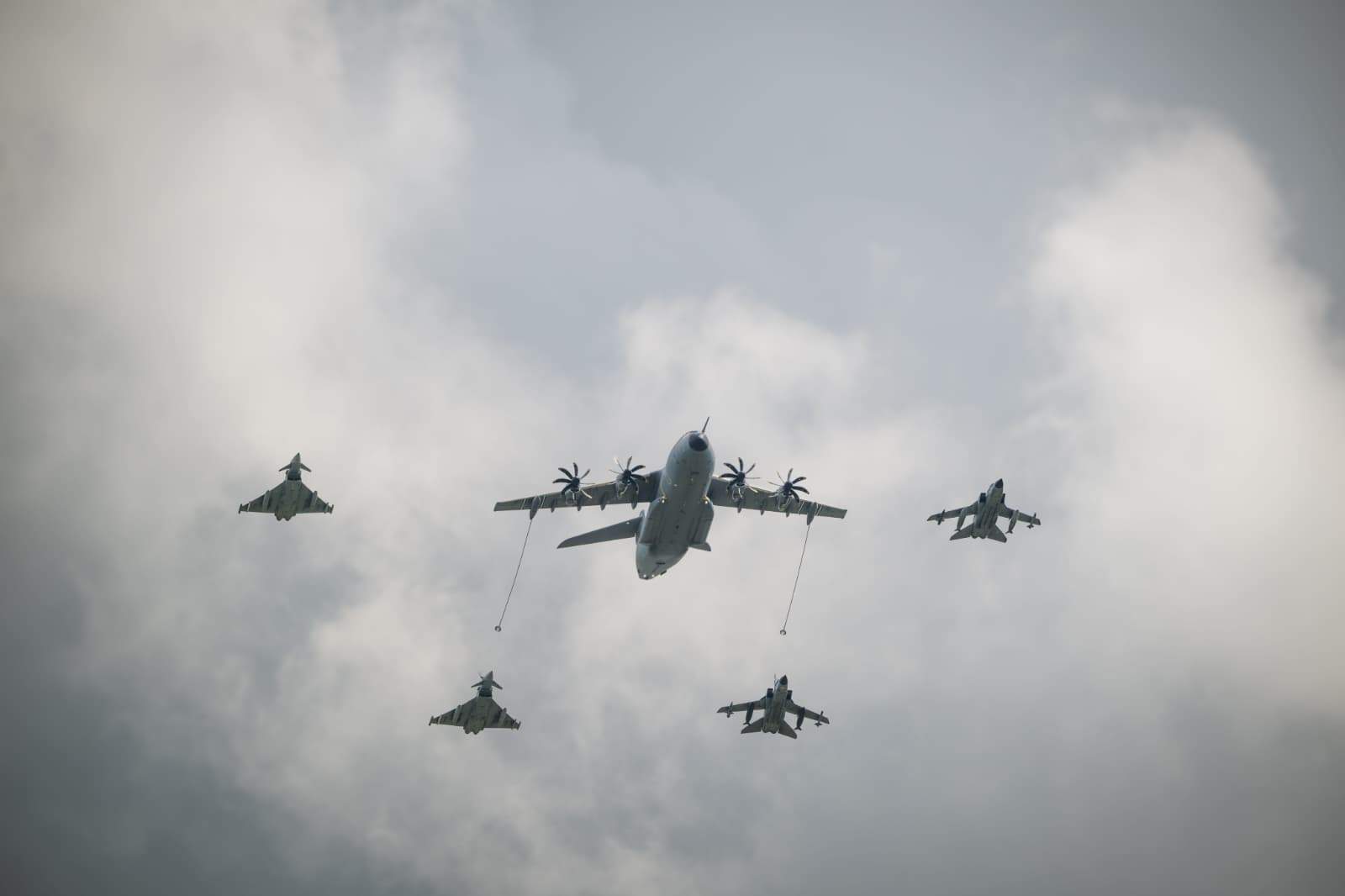
NATO is developing a new military strategy that defines how the alliance would act if Russia attacked its eastern flank. The document is called “Theory of Victory”. It gives a prominent role to relatively cheap unmanned aircraft, artificial intelligence and other technologies that have significantly changed warfare in recent years.
What is known about the document
The strategy was reported by Bloomberg, which obtained an unclassified version. It is being drawn up by NATO's Supreme Allied Commander Europe, US General Alexus Grynkewich.
It is to be presented publicly for the first time in Poland on 12 October at the Warsaw Security Forum. Polish Defence Minister Władysław Kosiniak-Kamysz has also announced the upcoming presentation.
Lessons from the war in Ukraine
The strategy is based on lessons NATO countries have drawn from Russia's full-scale invasion of Ukraine. The war has shown how important the mass use of relatively cheap drones is on the modern battlefield, along with the role of artificial intelligence and other new technologies.
According to Bloomberg, in the event of a Russian attack NATO plans to supplement traditional ground forces with a large number of low-cost unmanned systems. The strategy also envisages systems requiring minimal human involvement and the use of AI in target identification. This approach would let the alliance increase the number of reconnaissance and strike assets while reducing reliance on very expensive conventional military platforms.
According to the published information, once the necessary freedom of action had been secured, NATO forces would focus on rapidly destroying Russia's command and control systems.
Hybrid threats too
The strategy is not limited to a full-scale war. It also covers hybrid threats – actions that put pressure on NATO states without reaching the level of open armed conflict.
NATO's aim is to create conditions in advance that deter a potential adversary from aggression, while retaining the ability to respond quickly if an attack occurs. NATO representatives stress that the main goal is to preserve the alliance's military superiority and make sure an adversary understands that aggression will carry a high cost.
NATO itself says it has significantly strengthened its eastern flank defences in recent years and drawn up broader defence plans. It stresses that its measures are defensive and intended to protect member states. More details on how NATO intends to combine conventional forces with drones, AI and other new technologies may emerge after the Warsaw presentation.