NATO Commander: Attack on an Alliance Member Would Be Pointless
NATO's top commander in Europe, US General Alexus Grynkewich, said in Warsaw that the alliance would repel any attack on a member state. He outlined his "theory of victory" and urged allies to tell Moscow clearly where NATO's red lines lie.
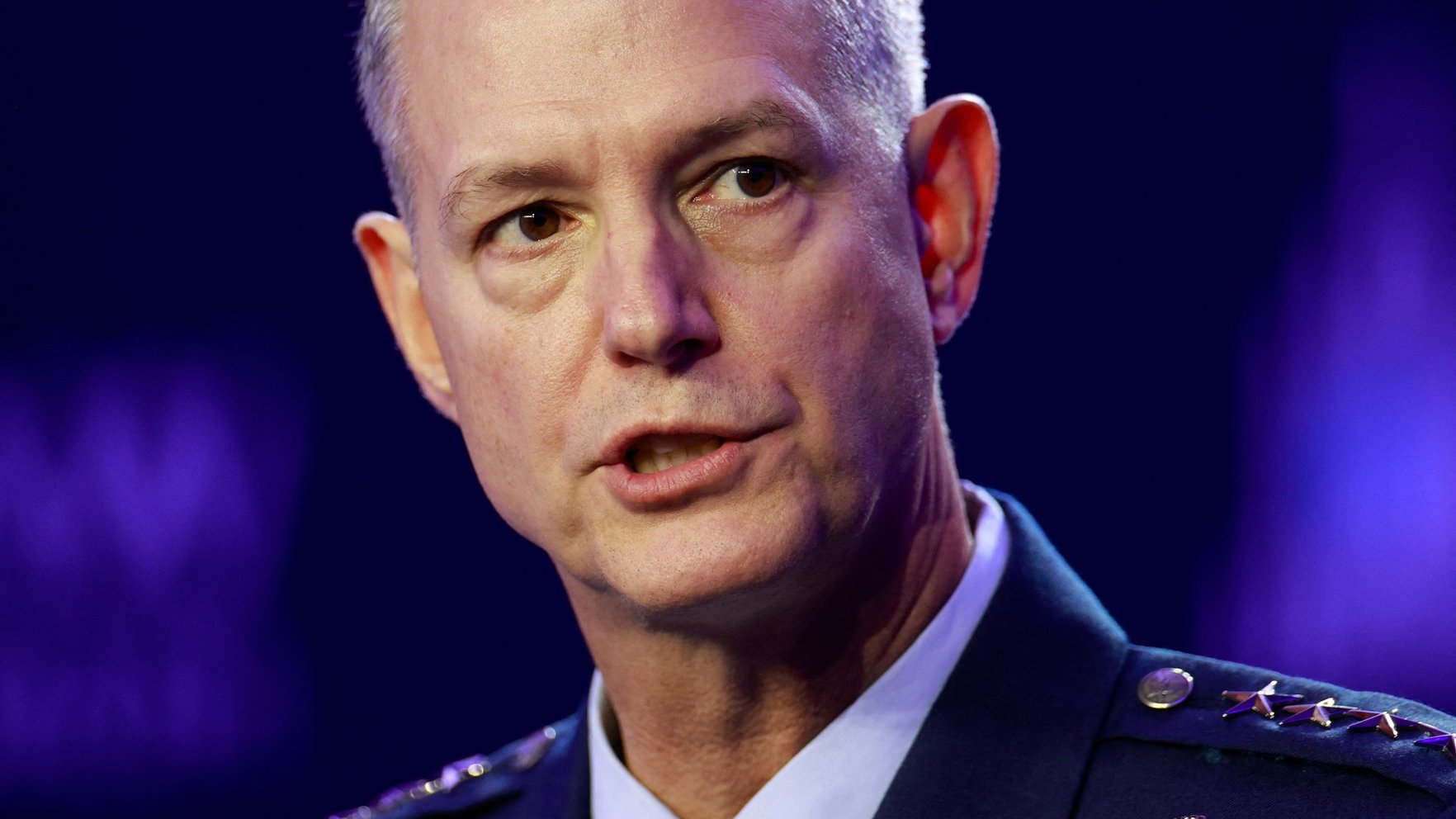
Any attack on a member of the North Atlantic Treaty Organization (NATO) would be completely pointless, because the alliance would block and repel it, the bloc's military commander in Europe, US General Alexus Grynkewich, said in a speech in Warsaw on Monday. His remarks come as Russia continues a sabotage campaign in Europe and its invasion of Ukraine goes on.
"If someone is foolish enough to attack us, we will fight," Grynkewich said. According to him, NATO would stop an assault and deny attackers the chance to achieve their goals, whatever those might be.
The "theory of victory"
In the speech, the general elaborated on what he calls his "theory of victory". As he described it, NATO would first halt the initial attack; if it continued, the alliance would neutralize it and prevent the enemy from advancing. If necessary, it would destroy the enemy's forces and the operational combat system directed against it.
Grynkewich said NATO would not try to escalate the situation afterwards. In his words, the burden of escalation would rest entirely on the aggressor, who would bear the moral, political and strategic responsibility. He also stressed that he does not consider conflict imminent or inevitable.
A signal to Moscow
The general urged allies, once they have evidence of Russian involvement in incidents, to say so clearly and make Moscow understand it must not go too far. He said allies should keep consulting one another and tell the Russians specifically where NATO's red lines are.
Last month Grynkewich acknowledged that Russia's sabotage campaign is becoming increasingly brazen. He cited the discovery of an explosives-laden drone at Leipzig airport in Germany and an incident in which a Russian warship fired flares at a Danish helicopter.
He emphasized that Washington remains firmly committed to the alliance's mutual defense obligations, and noted that Europe's efforts to take on greater responsibility for its own defense make the alliance stronger.