Nato chief: UK must show 'credible path' to annual defence spending rises
Nato secretary general Mark Rutte said Britain needs a credible plan of yearly increases to reach the alliance's target of spending 3.5% of GDP on defence by the mid-2030s, an increase of nearly £30bn.
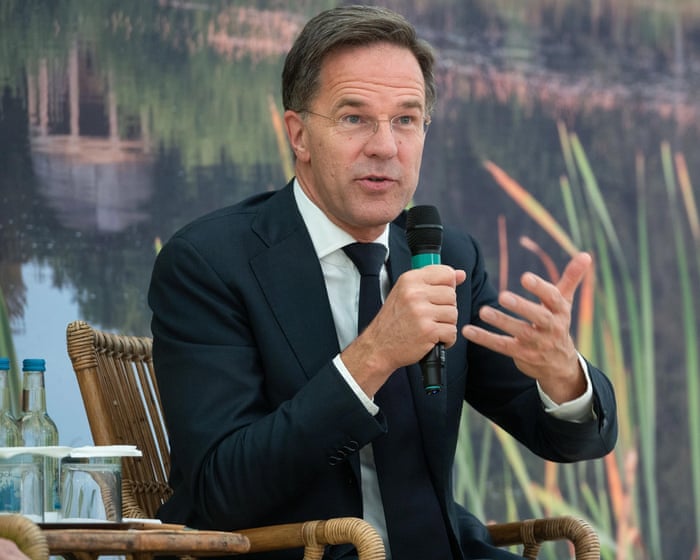
Nato secretary general Mark Rutte said on Thursday that Britain must show a credible path of annual increases in defence spending to meet the alliance's target of 3.5% of GDP by the middle of the next decade — an increase of nearly £30bn.
Speaking to the Press Association, Rutte said the UK could not wait until just before 2035 to make a final leap in spending, stressing the need for yearly increments toward the 3.5% goal. He made similar comments to the BBC, saying the UK understands the target cannot be met in one go in 2034 and must be reached gradually.
The remarks came a day after Rutte met with prime minister Andy Burnham. On Thursday he also met defence secretary Wes Streeting and foreign secretary Ed Miliband, along with representatives from the defence industry.
Previous commitments
Keir Starmer signed the UK up to the Nato-wide 3.5% of GDP target in summer 2025 under pressure from US president Donald Trump. The figure has since been endorsed by Burnham and his chancellor, former defence secretary John Healey.
Current spending plans through 2028/9 show defence spending levelling off at 2.7% of GDP, nearly £30bn short of the ultimate target, leaving open how the gap would be closed after the next election — whether through tax rises, borrowing, or cuts elsewhere.
Healey resigned as defence secretary in June after Starmer would not commit to raising defence spending to 3% of GDP by 2030. Since then, Healey and Burnham have avoided committing to that 3% figure by decade's end, with decisions on future spending likely deferred to next year's government spending review.
A day earlier, in a speech at Ditchley Park in Oxfordshire, Rutte warned that the 32-country alliance faces the most dangerous and complex security environment in a generation, citing the war in Ukraine, tensions in the Middle East and rising state competition. He said Nato needed more from the UK and Europe as the US reduces its military commitment to the alliance.

/nginx/o/2026/04/02/17542237t1hb7e1.jpg)
