Sodium-ion vs. lithium-ion batteries: the key differences
Sodium-ion batteries work much like lithium-ion ones but differ in energy density, cold-weather performance and safety. Manufacturers such as CATL and General Motors with Peak Energy are pushing toward larger-scale production.
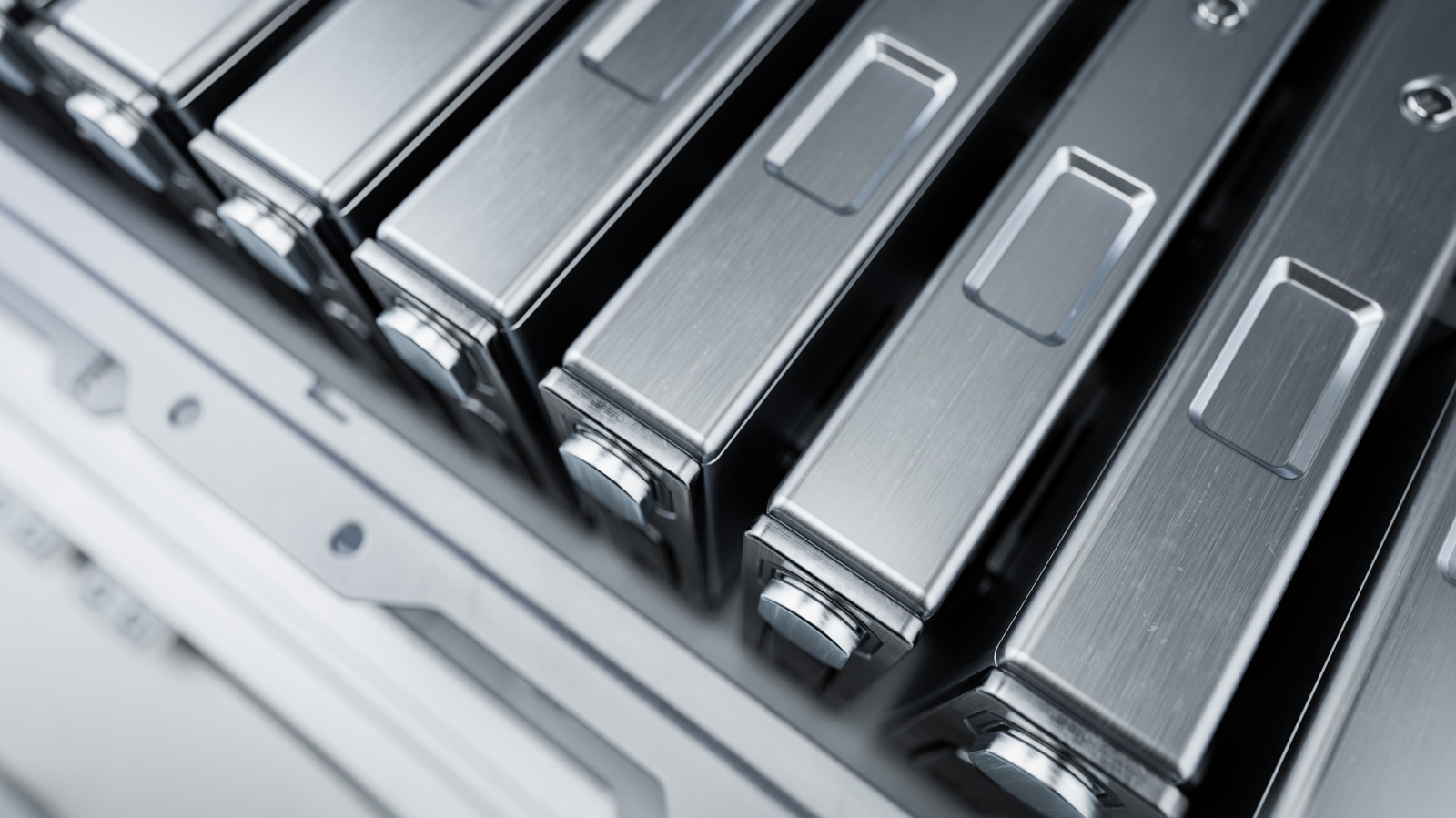
Sodium-ion and lithium-ion batteries share the same operating principle but differ in composition, energy density and potential uses. Technology site Engadget has compared the two as several manufacturers, including China's CATL and General Motors together with Peak Energy, move toward larger-scale production of sodium-ion cells.
How they work
In both types, energy is stored and released by moving charged particles between the negative and positive electrodes. A lithium battery shuttles lithium ions, while a sodium battery shuttles sodium ions.
Energy density
The main difference is energy density, meaning how much energy a battery holds relative to its weight and size. Sodium-ion cells reach roughly 175 watt-hours per kilogram, about 20 to 30 percent below lithium-ion cells. Lithium iron phosphate cells reach 205 watt-hours, and lithium NMC (nickel manganese cobalt oxide) cells reach 255. Sodium ions are larger and heavier, which makes space a drawback for bigger batteries, and sodium-ion cells also operate at lower voltages.
Cost, cold and safety
Sodium's biggest appeal is availability, as it is far more common than lithium. Still, abundant raw material has not yet translated into mass production, and lithium has a large head start in manufacturing and use. Sourcing other components, such as nickel and manganese, also remains a challenge.
In cold weather sodium-ion does better: according to the International Energy Agency (IEA), the cells keep 90% of their capacity at minus 40 degrees Fahrenheit, while lithium-ion performance drops sharply at similar temperatures. Sodium also carries a lower risk of thermal runaway, generating less heat and needing fewer protection systems, though the cells are not fireproof.
Outlook
HiNa Battery Technology and Natron Energy (now Draslovka) are also working on the technology. Most companies target automotive uses, and a few focus on data center power. Stationary storage for the electric grid is seen as a promising start, since it faces none of the size and weight limits of electric vehicles. The author suggests the two chemistries may end up complementing each other, for example in extreme cold or in hybrid battery packs.