Around 900 place names documented in Nautrani parish, and a map created
About 900 place names have been documented in Nautrani parish in Latgale, and their map has been expanded. The names preserve old Latgalian words as well as local history, legends and details of everyday life.
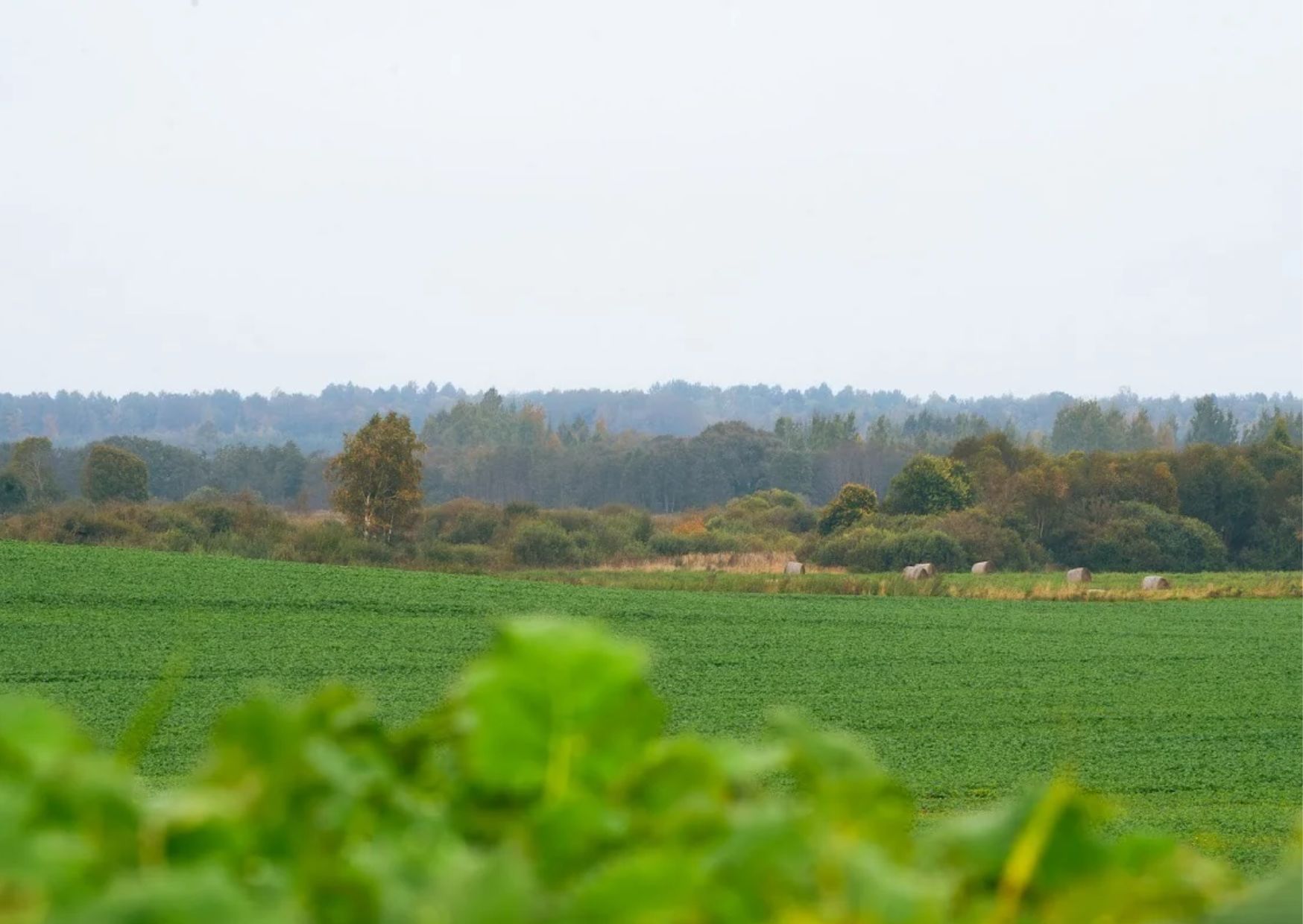
About 900 place names have been documented in Nautrani parish in Latgale, eastern Latvia. They can also be seen on a map displayed in the centre of Rogovka. The portal lakuga.lv writes that place names serve a practical purpose for finding one's way, but also hold cultural and historical value, since they preserve language and historical evidence that might otherwise have been lost.
Two groups of names
The names fall into two broad groups. The first are official names, approved in line with the place name information regulations. The second are microtoponyms – names of meadows, fields, hills, forests, bogs, ditches, boundary marks and other features. Residents created them over the years, linking a place to events that happened there, the surrounding nature, the names of people living nearby, nicknames or occupations.
How the map came about
Andra Zubko-Melne, author of the Nautrani parish place name map, began work on it 20 years ago. The first map was produced in 2008 and contained about 500 names; the author questioned residents from all corners of the parish. In 2022, Kristine Pokratniece gave Andra three notebooks with place name records that her relative Ciprijans Pokrotnieks had collected in 1970–1971. This prompted an update of the map. Using Pokrotnieks' material and new conversations with residents, the number of names on the map grew by nearly half.
What the names reveal
The names retain rarely used Latgalian words, such as "slēsne" (a wet place), "vapnineica" (a place where lime was obtained) and "valātive" (a spot by a river where clothes were washed). The word "dierva", formerly meaning a field, appears frequently. Some names come from nature (Līpu kolns, Olksna), some from people's first names and surnames (Īvinīks, Siļvāni), and others from nicknames or occupations, such as Kučeri, where a manor coachman once worked.
Many names are linked to legends. People say a castle sank at Opiņku castle hill, while the Malna pādi are said to be the devil's footprints. The names also recall inns, mills and former roads, such as Kosteļs, Patmaļu dziļums and Bazneicys ceļš.