NBS: none of Latvia's four female colonels yet nominated for general rank
Latvia's National Armed Forces currently have four female colonels on active duty, but none has been promoted to general. The military says the decision depends not only on tenure and education but also on the availability of posts designated for that rank.
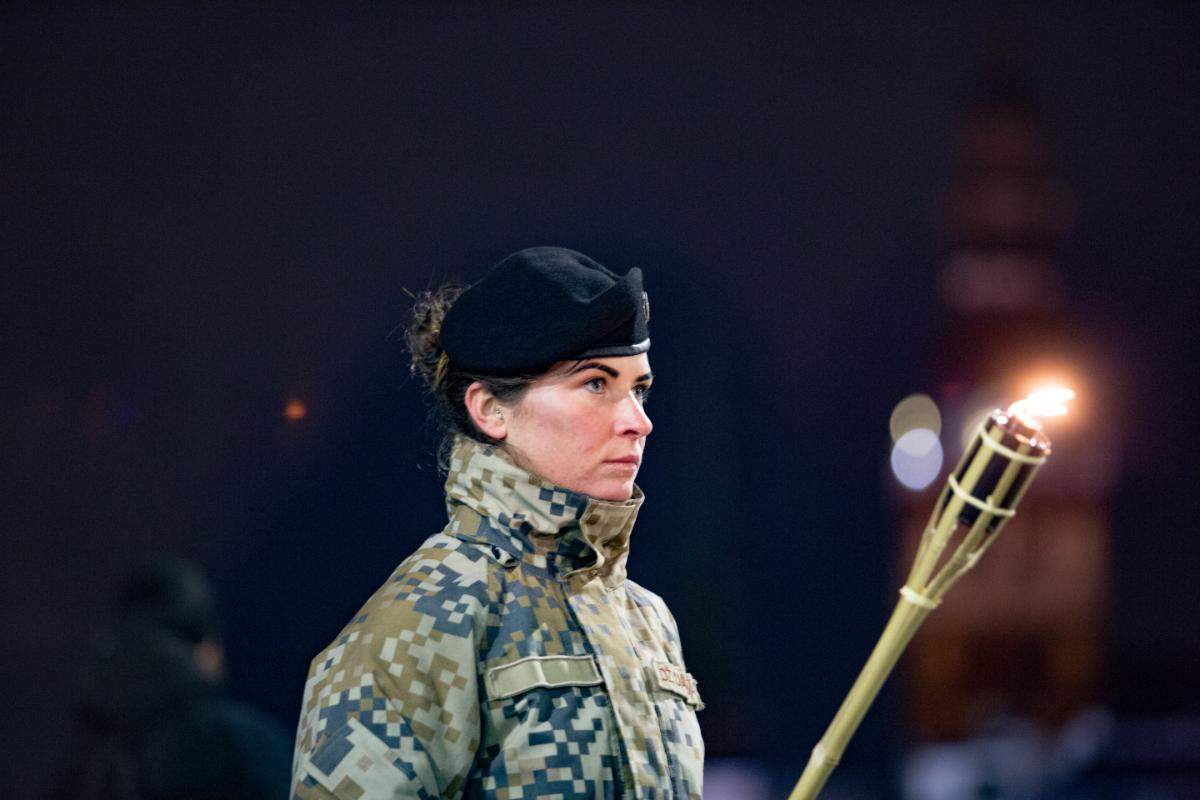
Latvia's National Armed Forces (NBS) currently have four women serving as colonels: Ilze Žilde, Liene Karale, Evija Sīpola and Antoņina Bļodone. According to information gathered by the LETA news agency, Žilde was the first woman to reach the rank of colonel in the Latvian armed forces and has held the rank for at least five years. None of the four has so far been put forward for promotion to the higher rank of general.
Notably, the related interior ministry and prison system services have previously had women serving as generals, though currently none holds that rank there either.
What the law requires
Under the Military Service Law, the rank of general may be granted to a colonel with higher education who has completed a senior command course and served at least three years as colonel. Officer ranks are awarded by the President on the recommendation of the defence minister, while a candidate's suitability is assessed by the Supreme Certification Commission.
NBS explained that meeting the tenure and education criteria alone does not guarantee promotion — candidates must also meet service evaluation and disciplinary standards, and must hold a specific post designated for the rank of brigadier general within the organisational structure. The number of such posts in the NBS is limited, based on structure and needs.
Assessed individually
NBS stressed that each officer's readiness for a higher rank is assessed individually, taking into account post requirements and service interests, meaning that serving a set period as colonel is not in itself grounds for promotion to general. The NBS declined to comment on the career paths of individual officers or possible future promotions, noting that decisions on rank appointments are only made public after they are adopted, since until then such information is considered restricted.