A week before elections, the key question is whether Šlesers could return to government
Ahead of Latvia's parliamentary elections, ruling parties hope to continue governing as a four-party coalition, but polls suggest they may fall short of a majority without opposition support. This raises the question of whether Ainārs Šlesers could return to power.
A week before Latvia's Saeima elections, the parties currently in government say they are confident they can continue working together in the same four-party formation after the vote. Minister Edgars Tavars of the United List has stressed that the existing coalition should carry on.
A gap in support levels
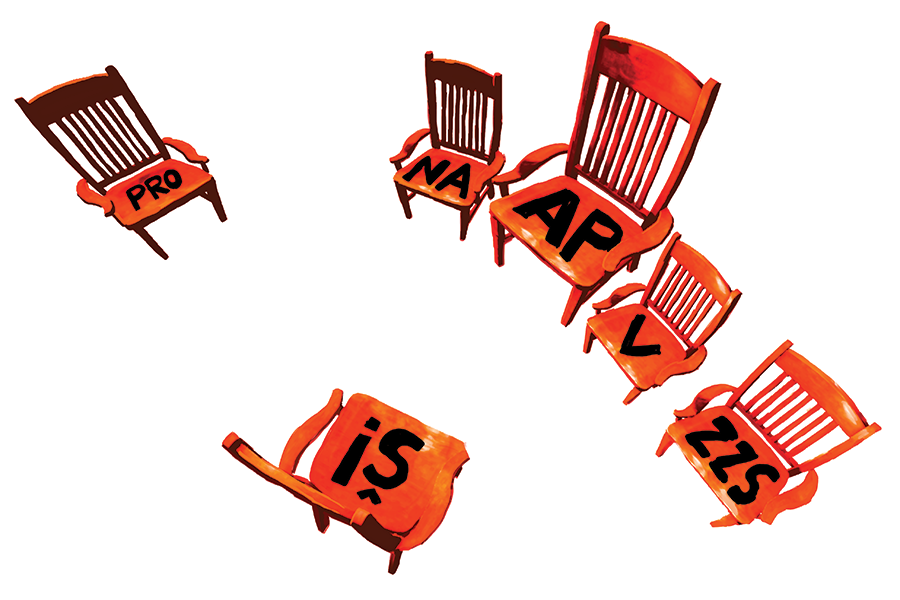
The latest opinion polls show the United List, led in this election by Andris Kulbergs, with the strongest voter support and therefore the best chance of leading the next government. However, support for the other coalition partners — the National Alliance, New Unity, and the Union of Greens and Farmers — is considerably weaker. Combined, these three parties draw roughly the same level of support as the United List alone.
The risky 5% threshold
Of particular concern is that two of the coalition parties are hovering around the 5% threshold required to enter parliament. If either of them fails to clear that bar, the current four-party coalition would most likely lack enough seats for a majority.
Who could become new partners?
In that scenario, the governing parties would need to look to the opposition for an additional partner, with the Progressives or Latvia First mentioned as possible candidates. Still, the central question surrounding this election concerns another name entirely: whether businessman and former politician Ainārs Šlesers could return to government after nearly two decades away from power, bringing his party into the next coalition.