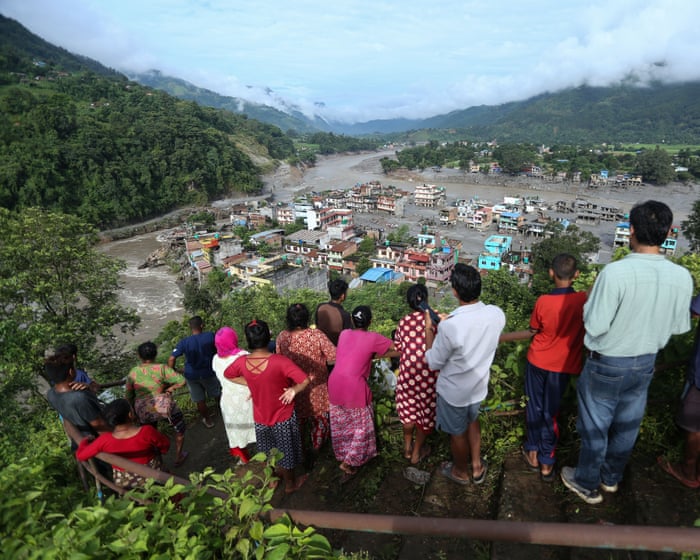
Nepal-Tibet flood death toll passes 500 as rescue efforts resume
Two days after catastrophic flash flooding struck the Nepal-China border, Nepal's death toll has climbed to 538 and rescuers have resumed search operations after a brief halt caused by fears of a debris-formed lake overflowing.
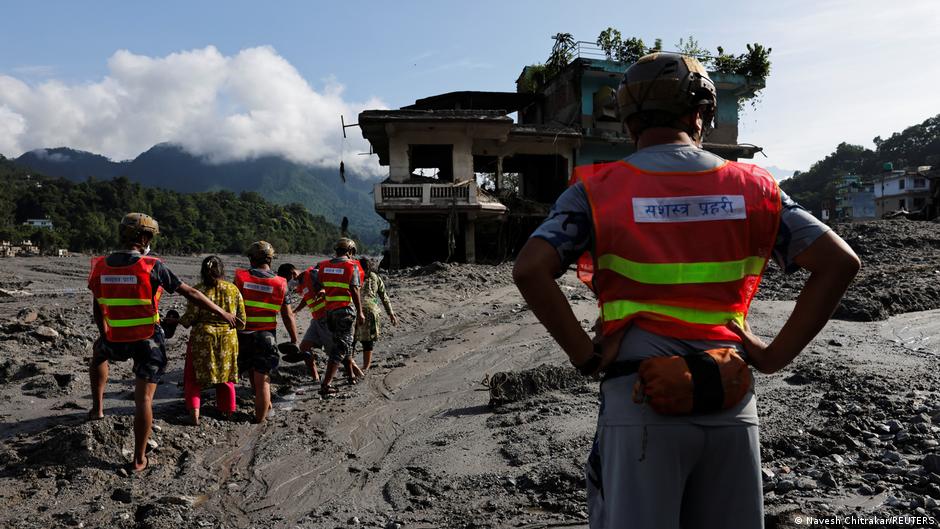
Rescue teams in Nepal and Tibet have resumed searching for hundreds of people still missing, two days after devastating flash floods struck the border region between Nepal and China on Wednesday. Operations were briefly suspended on Friday amid concerns that a lake formed by debris from the disaster could overflow and threaten already-devastated areas.
A senior official in Nepal's hard-hit Rasuwa district confirmed reports that the lake had breached its banks and that river water levels were rising. Residents were seen fleeing to higher ground, though authorities later said the immediate threat had eased, while continuing to monitor the situation closely.
Nepal reported that its death toll had risen to 538, up from 390 the previous day, while China has also raised its own reported death count in Tibet. More than 1,400 people remain missing, including as many as 517 foreign nationals from over 30 countries.
Fears of secondary flooding
The International Red Cross said more than 93,000 people have been directly affected by the disaster and are in urgent need of humanitarian aid, warning of concerns over a possible secondary flood after relief trucks were blocked by the newly formed lake. A senior UN disaster risk official warned that the disaster is not yet fully over. The World Health Organization warned that the disruption to water, sanitation and health services raises the risk of infectious diseases, including diarrhea and respiratory illness.
China works on drainage plan
China's Ministry of Water Resources said the glacier-collapse lake held around 2 million cubic meters of water, with another 3 million cubic meters expected to flow in over the following days, with peak levels anticipated around September 1. An eight-member Chinese engineering team has been surveying the lake to build 3D models and plans to dig a drainage channel at a lower point of the debris dam. On Friday, the first professional rescue teams reached the area devastated by the mudslide.
Nepal's Foreign Ministry said it does not currently need foreign assistance with search-and-rescue operations, even though several countries — including South Korea, India, China, the United States, Britain, Japan, Sri Lanka and Bangladesh — have offered to send their own teams. South Korea has pledged $1 million in humanitarian aid.