Netanyahu willing to let Eisenkot serve first as PM in unity government
Israeli Prime Minister Benjamin Netanyahu said he is ready to let Gadi Eisenkot become prime minister first under a rotation deal. Opposition figures rejected the offer, while Finance Minister Smotrich backed it.
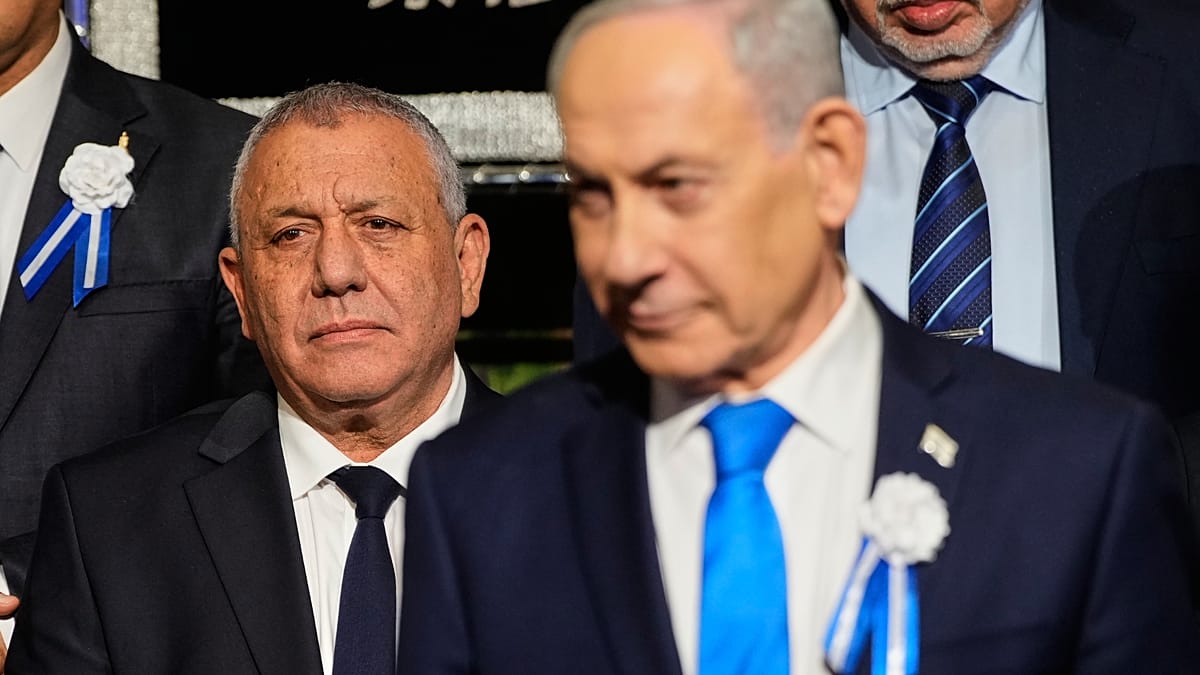
Israeli Prime Minister Benjamin Netanyahu said on Saturday that he is prepared to let Gadi Eisenkot, leader of the Yashar party, serve first as prime minister under a power-sharing agreement. The aim is to end the political deadlock after the 27 October election, in which neither Netanyahu's bloc nor Eisenkot's prospective alliance won a parliamentary majority.
Netanyahu said that as leader of the largest party he should ordinarily head a national unity government, or at least be first in a rotation. Citing what he called an existential threat, he said he was willing to set that principle aside. He would serve as acting prime minister and deputy prime minister at the start of the parliamentary term. He called for immediate, accelerated negotiations and said he expects similar concessions from the other side.
A position with special legal status
The post of alternate prime minister was created in 2020 through an amendment to Israel's Basic Law on the executive, as part of a deal between Netanyahu and then-Blue and White leader Benny Gantz. Cabinet ministers must resign if indicted on serious criminal charges, but this does not apply to the prime minister or alternate prime minister. Netanyahu could therefore take the role despite the criminal proceedings against him. The planned rotation with Gantz never took place.
Reactions
B'Yachad deputy leader Yair Lapid and Democrats leader Yair Golan rejected the proposal and questioned its sincerity. Lapid called it a transparent con and insisted an Eisenkot-led government must be sworn in before any talks on widening the coalition. Golan urged leaders to respect the voters' will and form a government without Netanyahu.
Far-right Finance Minister Bezalel Smotrich welcomed the offer, saying he took part in the discussions and was ready to act as guarantor of any agreement.
Eisenkot's prospects
President Isaac Herzog tasked Eisenkot with forming a government after 67 lawmakers recommended him. He has until 6 December, extendable by up to 14 days. On Thursday he reached a preliminary coalition deal with the left-wing Democrats, after an earlier agreement with the right-wing Yisrael Beiteinu. His four-party alliance holds 48 of the Knesset's 120 seats, short of the 61 required for a majority. Netanyahu's bloc holds 53. Without Likud, Eisenkot would need support from Arab-led or ultra-Orthodox parties.