No consumer Wi-Fi router is 100% US-made, FCC ban faces hurdles
The FCC has banned foreign-made routers citing national security, but the industry's global supply chain makes a fully domestic router impossible, leading to waivers and criticism.
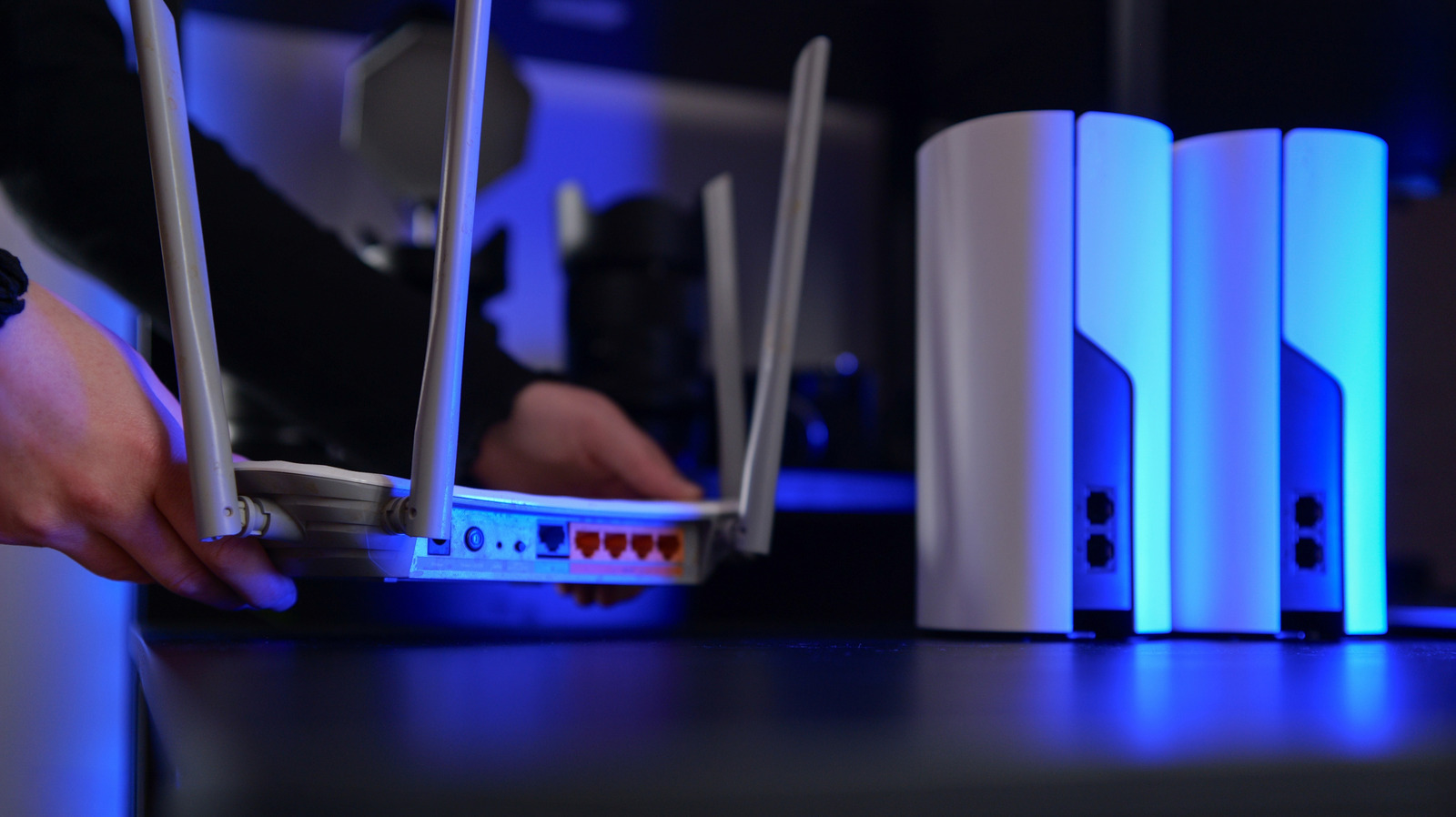
The Trump administration has long criticized America's technological dependence on international partners. Its 2025 National Security Strategy made independent supply chains a pillar of economic and national security policy. These concerns are particularly acute in the home router market.
In March 2026, the FCC banned all international home internet routers, citing cyberattacks such as Salt Typhoon, Volt, and Flax. The ban applies to any router whose components, assembly, or design come from overseas. Companies may continue selling current models but are barred from providing software updates after 2027.
However, the ban has hit roadblocks. In May, the FCC allowed software updates until at least January 1, 2029, citing supply chain shortages. Critics argue that cutting software support could create more security problems.
The US router market heavily depends on foreign partners, especially in Southeast Asia. Chinese giant TP-Link, once holding over 60% of the home router market, now has 35%. Other major players like ASUS, Synology, and D-Link are based in Taiwan. Even American brands such as Google (Nest made in Vietnam and China) and Netgear (Vietnam and Taiwan) rely on international supply chains. SpaceX's Starlink, which assembles routers in Texas, uses Vietnamese components.
The FCC has granted at least 11 companies waivers to sell through 2027, including Netgear, Amazon Eero, Nokia, and Arcadyan Technology. Critics question the logic, noting the ban does not protect existing users and may heighten security risks. The Electronic Frontier Foundation warns that the waiver system entrenches existing players and fosters quid-pro-quo arrangements.