Dutch Firm Combines Laser and Electric Pulse Weeding in a Single Pass
Dutch agricultural robot maker Andela has built a robot that fights weeds with both an electric pulse and a laser. The laser module is not yet finished, so the projected performance remains a target.
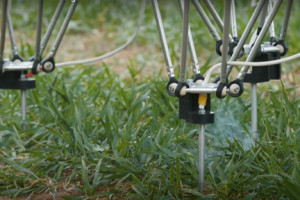
Andela, a Dutch maker of agricultural robots, has combined two herbicide-free weeding methods, laser and electric pulse, in one robot that handles both in a single pass over the field. The aim is to raise weeding efficiency without chemicals, though its real value for farmers cannot yet be judged.
Each method has limits on its own. Lasers require high precision and time, and larger or densely growing weeds need more energy. An electric pulse can deal with bigger plants, but the current can also damage crops, so the probes must work at a safe distance from them.
Division of labour between the methods
In the new robot, the front unit tackles weeds with an electric pulse, while a laser module works behind it. The laser is mainly responsible for the smallest weeds, including those growing close to the crop. According to the manufacturer, experience on one organic farm showed the laser coped with weeds up to 5 mm, while the rest could be handled electrically. Andela uses a laser based on blue diode light, which the company describes as relatively energy-efficient. That matters for a machine powered by batteries and solar panels.
Performance and limitations
The company also redesigned the working arms. Their more compact build allows more weeding units across a smaller working width. The output of a single electric unit has risen from three to eight weeds per second. Combined with the laser, Andela expects to reach up to 15 weeds per second, but this is only a target for now. The new 4.5 m wide robot is said to match the work of the previous 9 m design.
There is no data yet on how many hectares the robot covers per day, how it copes with heavily infested fields, or whether the treatment must be repeated after the first pass. The price has not been published, though Andela says it should be close to that of the earlier model.
The robot may be of particular interest to organic farms and vegetable growers. So far it has navigated fields on its own but needed help with turns at the end of rows; the manufacturer plans to remove that limitation from the 2027 season.