Heavy gunfire near Niger's presidential palace amid apparent mutiny attempt
Gunfire and explosions erupted overnight in Niger's capital Niamey near the presidential palace, with a security source saying the presidential guard repelled soldiers attempting to storm the building. State television went off air.
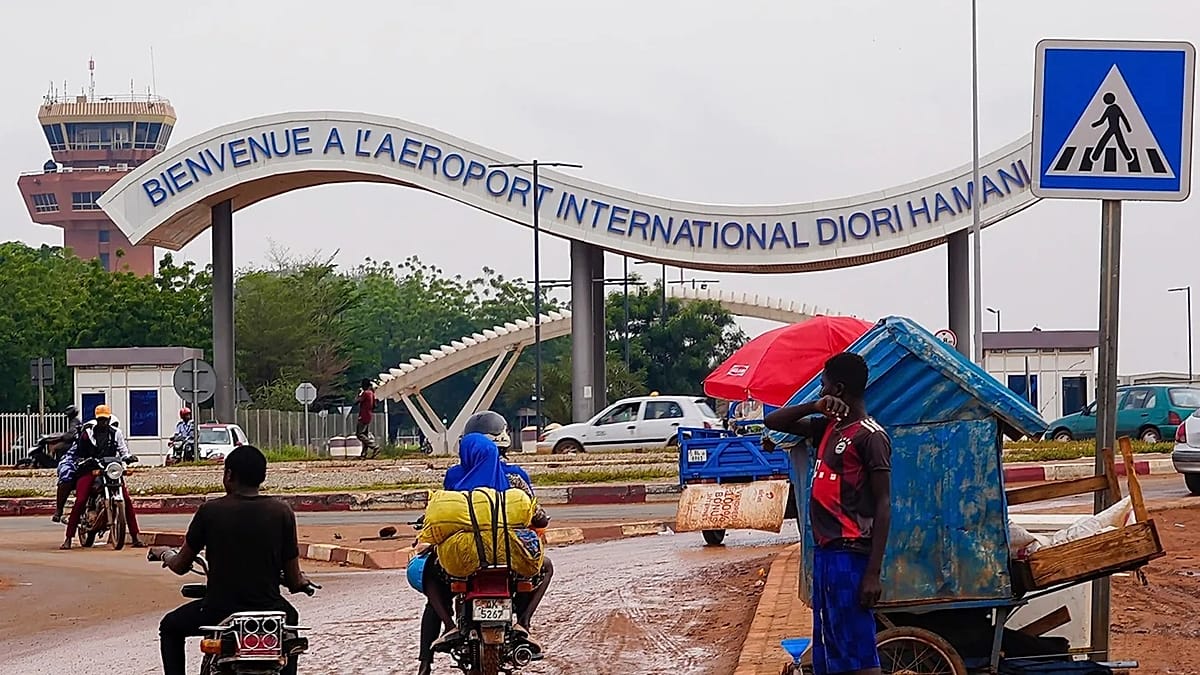
Heavy gunfire broke out across several parts of Niamey, Niger's capital, overnight into Saturday, with reports centering on an incident near the presidential palace. The exact trigger for the shooting remained unclear in the immediate aftermath.
A security source told AFP that the presidential guard had repelled a group described as "insurgents from within the armed forces" who had attempted to force their way into the presidential palace. Residents reported hearing intense gunfire and explosions around the Base 101 military airbase, with multiple witnesses corroborating the accounts.
One resident said he heard bursts of gunfire around 7am local time and saw a military vehicle heading toward the base being forced to turn back. He noted the weapons being used sounded heavier than what motorbike-riding jihadist fighters typically carry, adding that fighting had continued without pause since the previous night.
Niger's state television also went off air on Saturday, with a black screen replacing normal programming, according to local residents.
Official response
Bana Wagana Ibrahim, a member of Niger's Consultative Council, issued a statement urging the public to remain calm and avoid spreading unverified information. The statement said the country's defence and security forces had been mobilised to defend the nation.
Ibrahim had earlier condemned what he called "another cowardly attack" on the Base 101 airbase, saying the situation was under control and that security forces had again risen to the challenge.
Background
Niger has been ruled by a military junta for three years and has continued to struggle against jihadist violence. Niamey's airport has already been targeted twice this year — by the Islamic State in the Sahel in January and by the Group for the Support of Islam and Muslims in June.