From menacing threats to comical misnomers: Trump's surprise turn to love and darkness at NATO summit
US President Donald Trump, after a day of complaints and threats at the NATO summit, surprisingly expressed affection for the alliance, while sharply criticizing Iran and making several verbal gaffes.
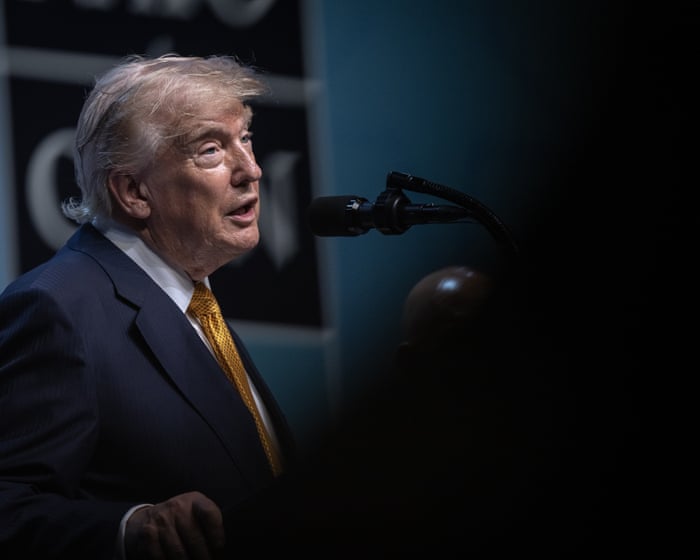
US President Donald Trump concluded the annual NATO summit on Wednesday with an unexpectedly positive message, calling the meeting great and full of love and unity. This was a stark contrast to his earlier behavior, when he sat next to NATO Secretary General Mark Rutte and voiced a series of complaints, including Spain's refusal to meet new defense spending targets and a perceived lack of support for the war with Iran.
Trump also praised Ukrainian President Volodymyr Zelenskyy, saying he had done an amazing job and that there were good prospects for a deal to end the four-and-a-half-year war with Russia. US Treasury Secretary Scott Bessent explained that Europeans attributed to Trump the saving of NATO and wanted to do what they were supposed to do.
However, the positive mood was overshadowed by the issue of Iran. Trump declared that the ceasefire with Iran was effectively over after US forces struck Iranian targets the previous day. He claimed Iran had violated the agreement by attacking three vessels in the Strait of Hormuz. The president threatened a major attack that could knock out a lot of things, potentially including power stations and desalination plants.
Trump’s speech was marked by several verbal gaffes. For instance, referring to missiles supposedly aimed at the USS Abraham Lincoln, he said they were fired by “the Islamic Republic of Japan.” At another point, after questions about the Russia-Ukraine war, he asked journalists if they had a question for “President Putin” – while Zelenskyy sat just feet away. Trump attempted a cover-up, insisting he meant to say Putin because he had a scheduled phone call with him later.
Another revealing misstatement occurred when Trump referred to Iran’s late supreme leader, Ali Khamenei, as “Khomeini,” confusing him with the spiritual leader of the 1979 Iranian revolution. The article suggests that Trump likely knew the difference, but by conjuring the more historical name, he may have subconsciously revealed his preoccupation with an age-old US grievance and his urge to get even.

/nginx/o/2026/10/02/17950820t1hf79f.jpg)